Why is tooth brushing the indispensable foundation of oral hygiene?
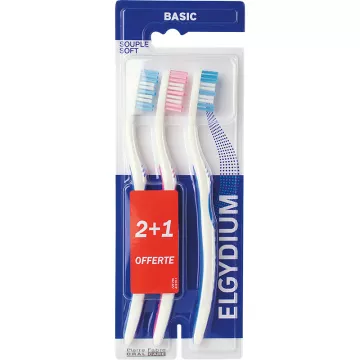
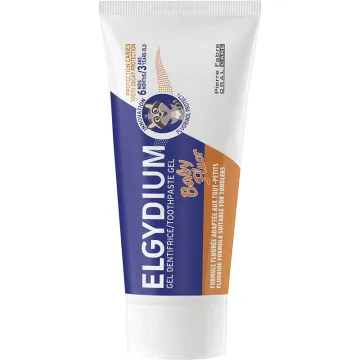
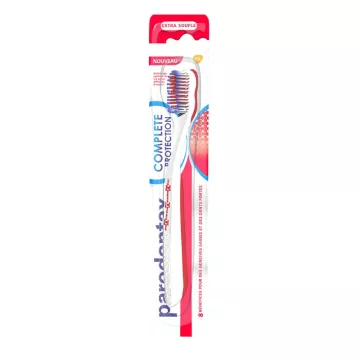
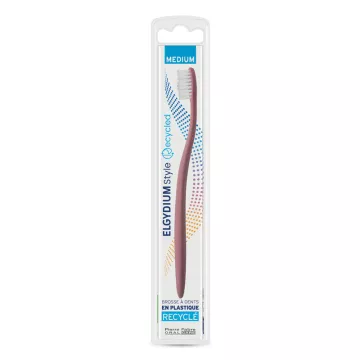
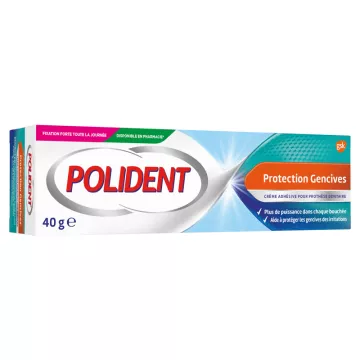
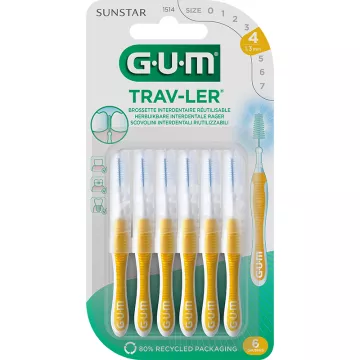
Brushing your teeth is the only action capable of mechanically breaking down dental plaque—the bacterial biofilm that reforms within 24 to 48 hours on all unbrushed surfaces. Without regular brushing, plaque develops into a pathogenic bacterial community, hardens into tartar, and triggers the two most common conditions: tooth decay (an acidic pH < 5.5 dissolves enamel) and gingivitis (inflammation of the gums that can progress to periodontitis). Toothbrushes and toothpastes tailored to each individual’s needs are available in the oral hygiene line. For areas the toothbrush cannot reach,interdental hygiene anda water flosser complete the routine.
- Modified Bass Technique — the standard: position the toothbrush at a 45° angle toward the gingival sulcus (where the gum meets the tooth) — use short, vibrating motions without horizontal back-and-forth movements — 5 to 7 strokes per area before moving on to the next — At least 2 minutes — systematically cover all surfaces: external, internal (the sides of the teeth facing the tongue and palate), and occlusal (chewing surfaces) — finish by brushing the tongue
- Optimal timing: in the morning after breakfast (removes bacteria that accumulated overnight + food residue) — in the evening before bedtime (most important—saliva is virtually absent at night, and bacteria proliferate unchecked) — Wait 30 minutes after a meal or acidic drink before brushing (enamel demineralized by acids is weakened; brushing immediately erodes it)
- Overbrushing: Twice a day is enough — Three times is acceptable — beyond that, or with excessive pressure, brushing wears down the enamel and deepens the tooth necks (gum recession due to trauma) — pain at the tooth neck or teeth that seem to be “getting longer” are signs to report to your dentist
How to Choose the Right Toothbrush and Toothpaste?
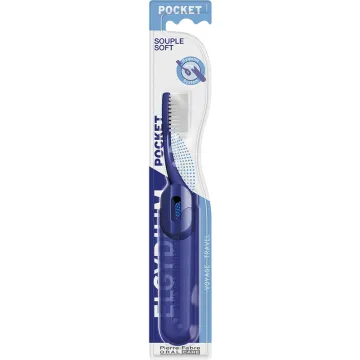
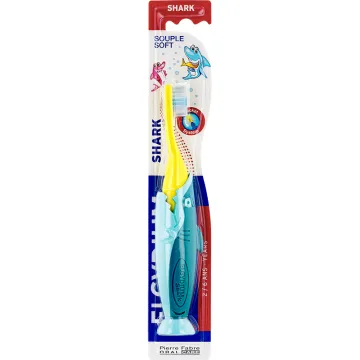
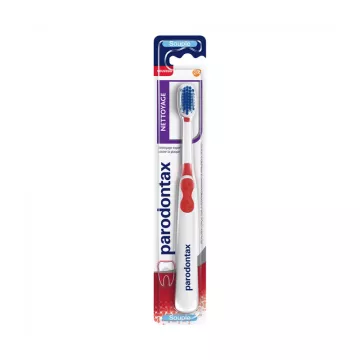
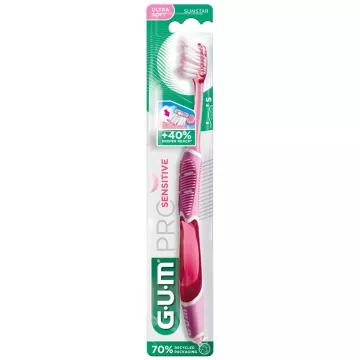
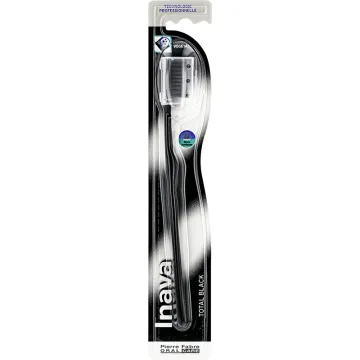
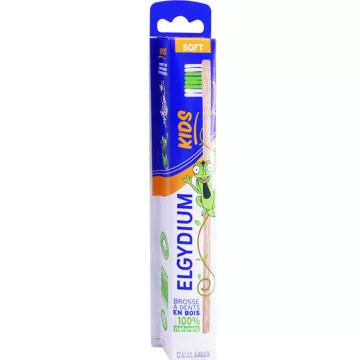
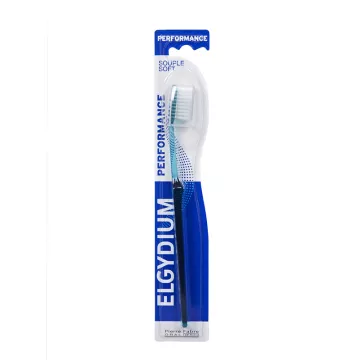
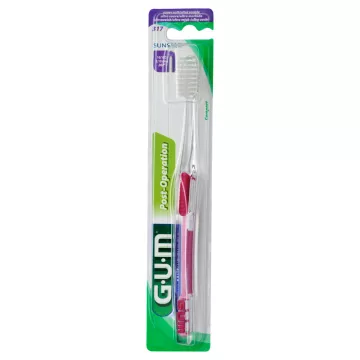
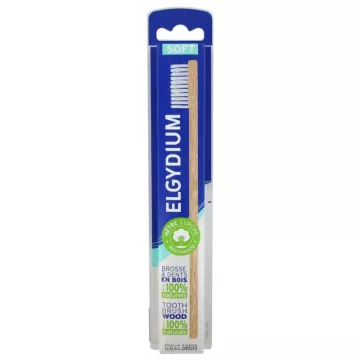
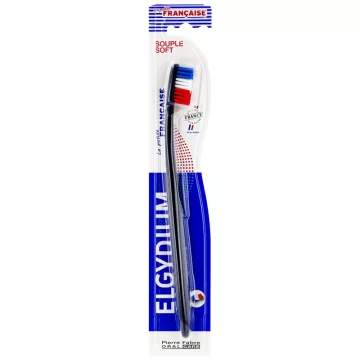
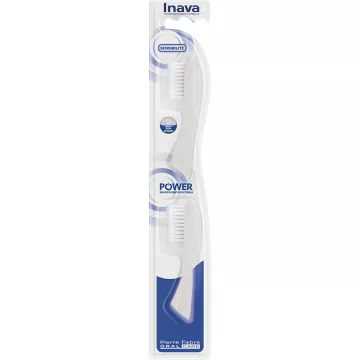
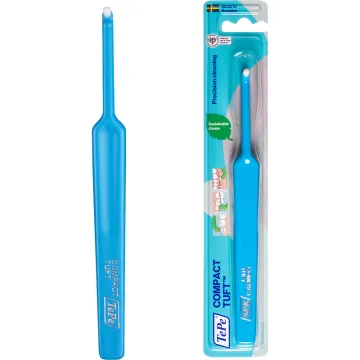
A toothbrush with soft bristles is the only type recommended by dental professional organizations—hard bristles do not remove plaque more effectively but instead wear down enamel and irritate the gums. The brush head should be small to reach the molars and lingual surfaces. Replace the toothbrush every 3 months (or as soon as the bristles splay—a splayed toothbrush has lost 30% of its cleaning effectiveness).
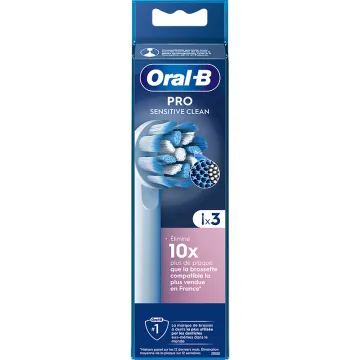
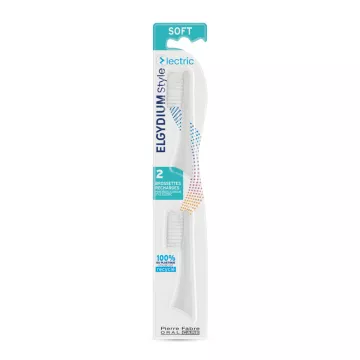
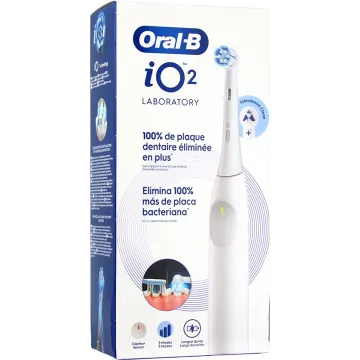
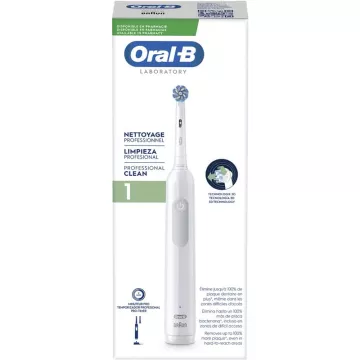
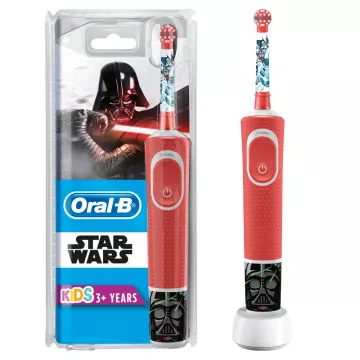
The oscillating-rotating electric toothbrush is clinically superior to the manual toothbrush: Cochrane studies show a 21% reduction in plaque and an additional 11% reduction in gum bleeding. It is particularly recommended for people with reduced dexterity, those wearing orthodontic appliances, and periodontal patients. For children, electric toothbrushes with a timer (30 seconds per quadrant) improve brushing compliance.
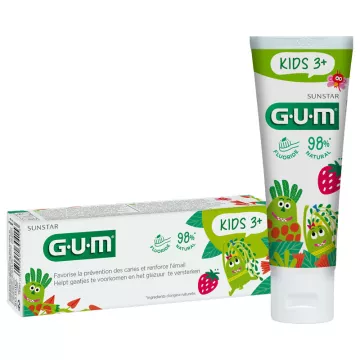
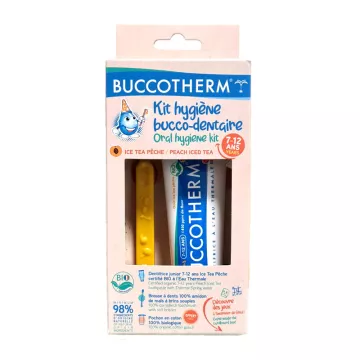
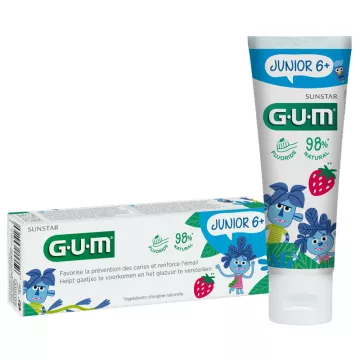
- Toothpaste and fluoride—selection criteria: adults → 1,450 ppm fluoride (European standard—"natural," charcoal, or whitening toothpastes are often 900 ppm or less, and therefore offer less protection) — children < 3 years old → trace amounts of fluoride — 3–6 years old → 1,000 ppm (a pea-sized amount) — > 6 years → 1,450 ppm — high risk of cavities → 2,800–5,000 ppm by prescription
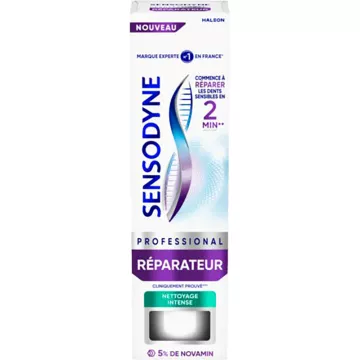
- Specialized Formulas: toothpaste for sensitive teeth (5% potassium nitrate or strontium chloride — block the dentinal tubules) — toothpaste for to strengthen enamel (tin fluoride, hydroxyapatite) — toothpaste for sensitive gums (SLS-free, with aloe vera or allantoin) — abrasive whitening toothpastes to be used sparingly (RDA > 100; avoid on weakened enamel)
- After brushing: spit out without rinsing with water — the film of fluoride toothpaste on the teeth continues to work for 30 minutes — rinsing with water immediately removes up to 80% of the residual fluoride — if using a fluoride mouthwash in the evening, use it well apart from brushing so as not to dilute the fluoride in the toothpaste
What common mistakes reduce the effectiveness of brushing?
The first mistake is not brushing the inner surfaces of the teeth (toward the tongue and palate)—the lingual surfaces of the lower incisors and the palatal surfaces of the upper molars are the areas most often overlooked and where tartar builds up the most. The second is brushing too quickly—30 seconds isn’t enough to break down the biofilm. The third is brushing immediately after an acidic meal. The fourth is neglecting the gingival sulcus—this is where the bacteria responsible for gingivitis and cervical caries form.
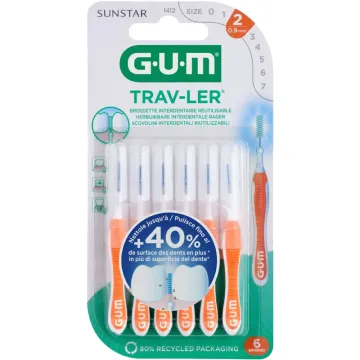
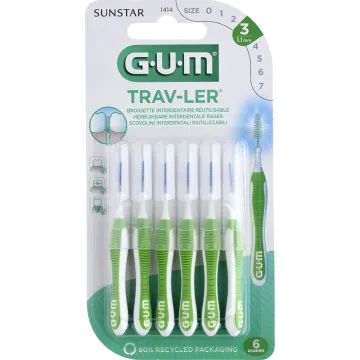
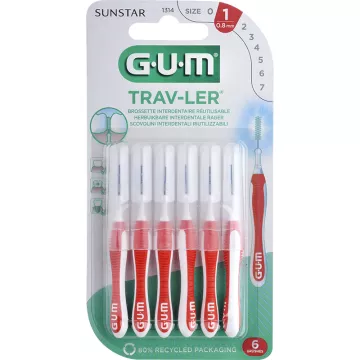
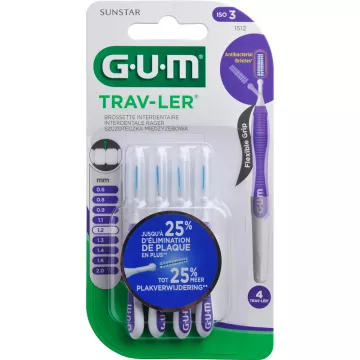
- What brushing alone cannot do: the spaces between teeth account for 40% of the tooth surface—dental floss or interdental brushes are essential for reaching them—without daily interdental cleaning, cavities and gingivitis can develop even with perfect brushing of the accessible surfaces
- Brushing and bad breath: Brushing alone does not treat halitosis—the tongue is the main source of volatile sulfur compounds—adding a tongue scraper every morning reduces odors by 40 to 75% when used in conjunction with brushing — Persistent bad breath despite thorough brushing requires a dental evaluation
- General health: Bacteria from a poorly maintained mouth can enter the bloodstream — regular brushing reduces the risk of cardiovascular disease, helps manage diabetes, and reduces obstetric complications — spending 4 minutes a day brushing is one of the most cost-effective preventive health measures there is