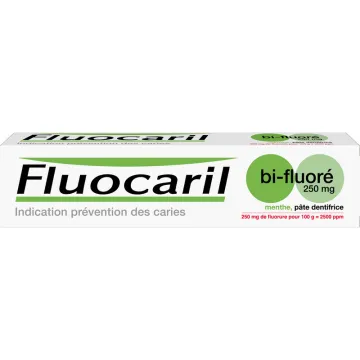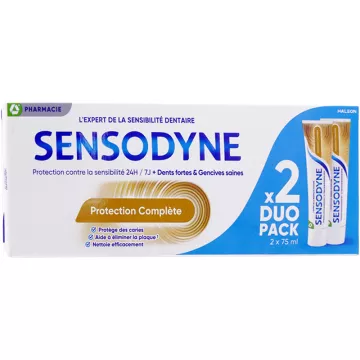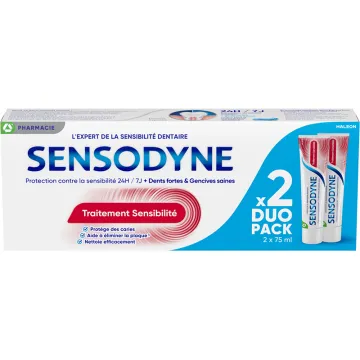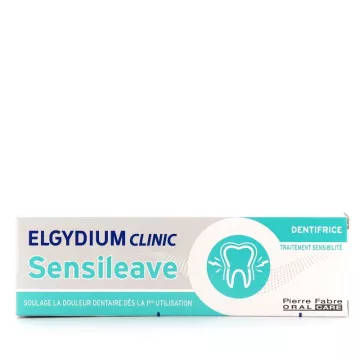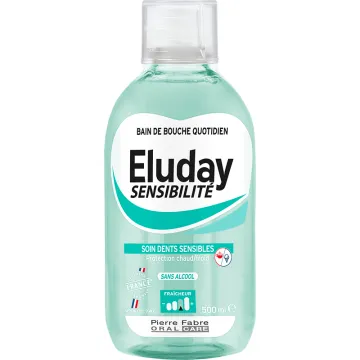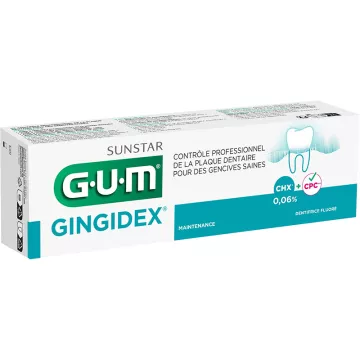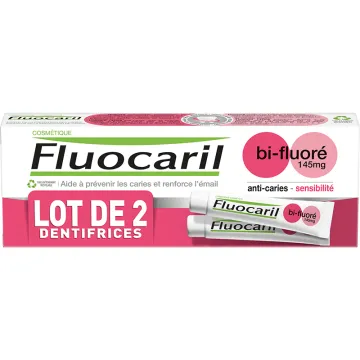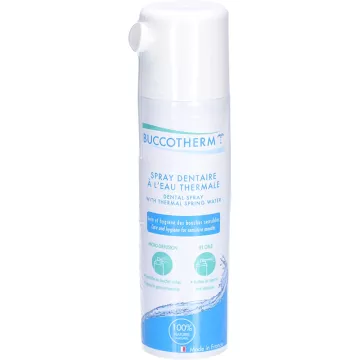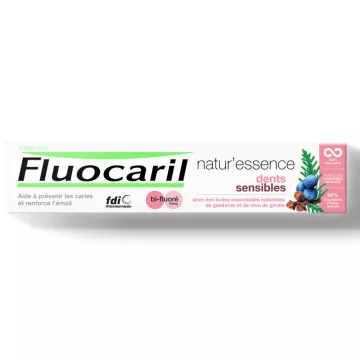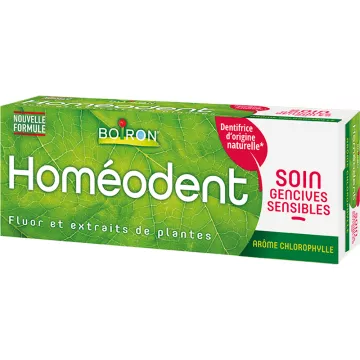



Tooth sensitivity (dentin hypersensitivity) is a brief but intense pain triggered by thermal, chemical, or mechanical stimuli. It occurs when the dentin—the layer beneath the enamel—is exposed and its dentinal tubules (microtubules connecting the tooth’s surface to the nerve) are open. Even the slightest flow of liquid through these tubules (caused by heat, cold, sugar, or acid) stimulates the nerve endings: this is Brännström’s hydrodynamic theory, the most well-documented mechanism.Oral hygiene products and specialized toothpastes are available in the store. For active strengthening of sensitive teeth, the dedicated page on strengthening sensitive teeth complements this approach.
Treatment depends on the underlying cause and severity. For mild to moderate cases, desensitizing toothpastes are the first step—they work through two mechanisms: potassium nitrate depolarizes the dentin nerve fibers (reducing their reactivity), while strontium salts or sodium fluoride precipitate within the tubules and mechanically block them. Noticeable results appear after 2 to 4 weeks of continuous use.
In the dental office, the dentist has more powerful treatments available: high-concentration fluoride varnishes (22,600 ppm), resins to seal exposed tubules, or fluoride iontophoresis for severe cases. In cases of significant gum recession, a gum graft (periodontal surgery) can cover the exposed root and permanently eliminate the source of sensitivity—see the periodontitis page for managing associated gum problems.
Certain natural remedies have a real effect on tooth sensitivity, even though their effectiveness is less than that of professional fluoride treatments. Clove oil (eugenol) is a natural local anesthetic that has been documented in dentistry for decades—when applied to the sensitive area with a cotton swab, it provides relief within 2 to 3 minutes, which can be helpful while waiting for an appointment. Aloe vera oral gel soothes irritated gums and reduces pericervical inflammation.
Coconut oil pulling (a 10-minute oil rinse in the morning) reduces the bacterial load in the mouth and can alleviate gum inflammation that exacerbates sensitivity. Rinsing with green tea provides anti-inflammatory catechins that support gum health. These natural approaches have a place as a complement to a rigorous oral hygiene routine, but they are not a substitute for a dental evaluation.
Moderate sensitivity that subsides quickly after the stimulus and responds to specialized toothpastes within 2 to 4 weeks can be managed at home. However, certain signs require an immediate visit to the dentist: prolonged pain after the stimulus (more than 30 seconds), spontaneous pain without an identifiable stimulus, pain localized to a single tooth, or sensitivity that worsens despite treatment. These signs may indicate pulpitis (inflammation of the pulp), which requires root canal treatment, or a deep cavity that needs urgent treatment.