What is oral hygiene, and what does it involve?
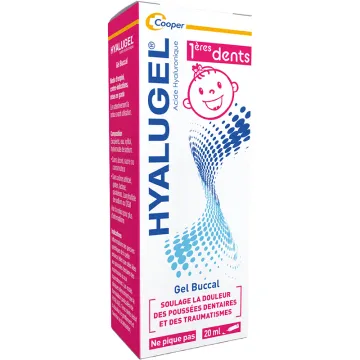
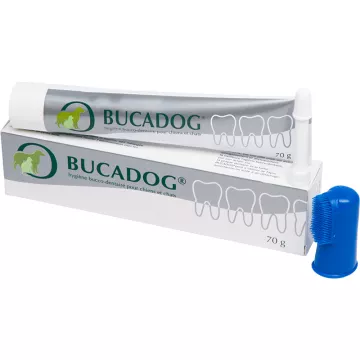
Dental hygiene refers to the set of practices and products that protect teeth and gums from the two most common conditions: dental caries (acid attack on enamel by bacteria in dental plaque) and gingivitis-periodontitis (inflammation and destruction of supporting tissues). It is based on four pillars: daily tooth brushing,interdental hygiene, the use of appropriate fluoride products, and regular professional checkups. Neglecting any one of these pillars creates areas of vulnerability that the others cannot compensate for.Oral hygiene products are available in the store.
Dental plaque reforms within 24 to 48 hours on any surfaces that haven’t been brushed. If not removed, it develops into a pathogenic biofilm, produces acids that dissolve enamel, and releases endotoxins that trigger gum inflammation. Within 10 to 15 days, it calcifies into tartar—which cannot be removed by brushing; only professional scaling can eliminate it. This cycle, interrupted daily by good oral hygiene, never progresses to pathological stages.
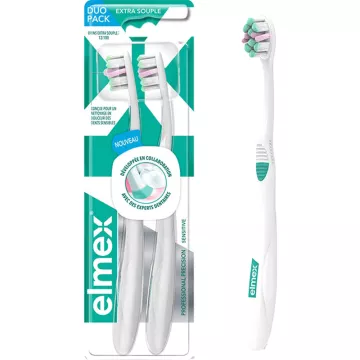
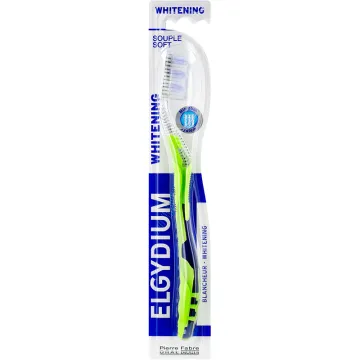
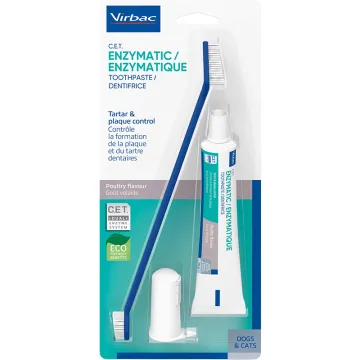
- Brushing—the basics: soft-bristled toothbrush—twice a day for at least 2 minutes—Bass technique (at a 45° angle toward the gum line, small vibrating motions)—all surfaces (outer, inner, occlusal)—finish with the tongue—replace the toothbrush every 3 to 4 months (flared bristles = 30% reduction in effectiveness)
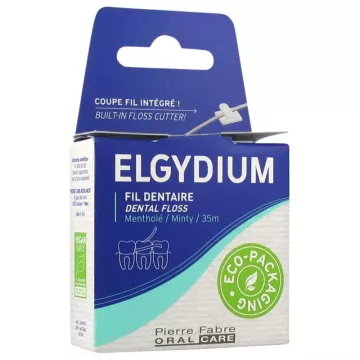
- Flossing — C-shaped technique: pass the floss between the teeth, form a C shape around each tooth, moving up to the gum line — 40% of tooth surfaces are inaccessible to a toothbrush — without floss or interdental brushes, interdental cavities and gingivitis progress silently even with perfect brushing
- Dental visits: 1 to 2 times a year for the general population — the dentist removes subgingival tartar, detects interproximal cavities invisible to the naked eye, assesses periodontal pockets, and checks the oral mucosa
How to choose toothpaste, mouthwash, and fluoride products?
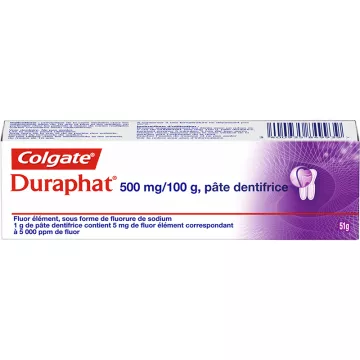
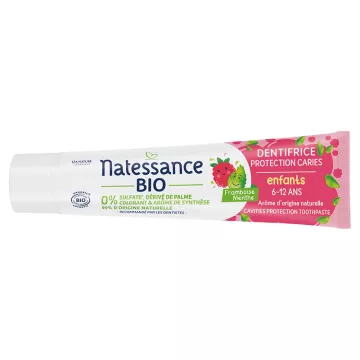
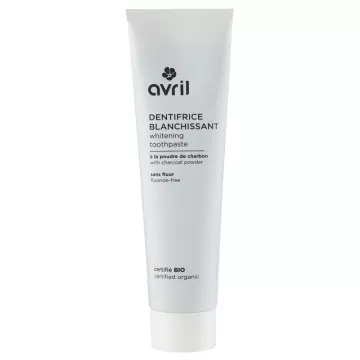
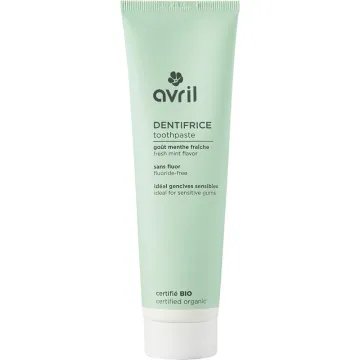
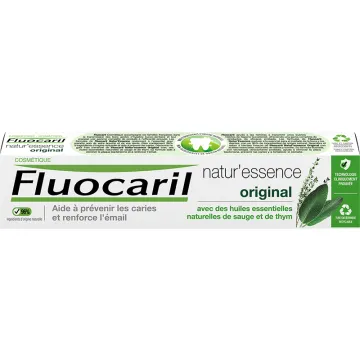
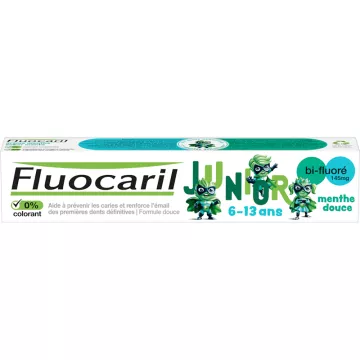
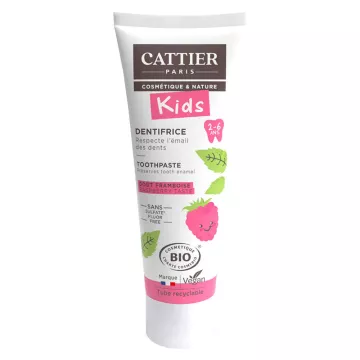
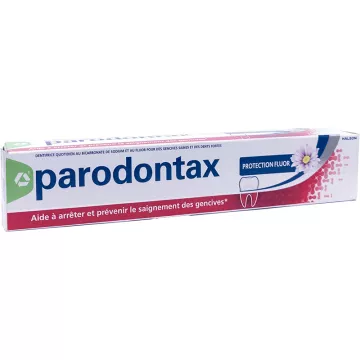
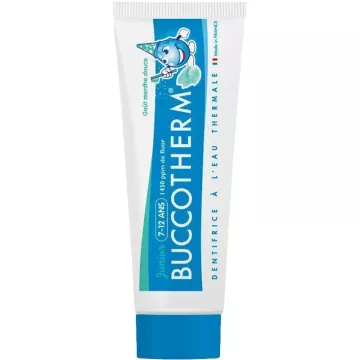
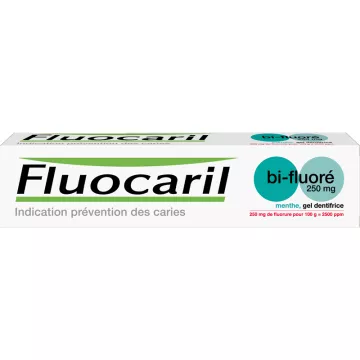
Fluoride toothpaste is a non-negotiable essential—fluoride forms fluorapatite on the enamel, a crystalline structure that is 30% more resistant to acids than natural hydroxyapatite. The recommended concentration is 1,450 ppm for adults. “Natural,” charcoal, or whitening toothpastes are often underdosed (sometimes 400–900 ppm)—always check the concentration listed on the tube. Do not rinse with water immediately after brushing: rinsing removes up to 80% of the residual fluoride that continues to work on the enamel.
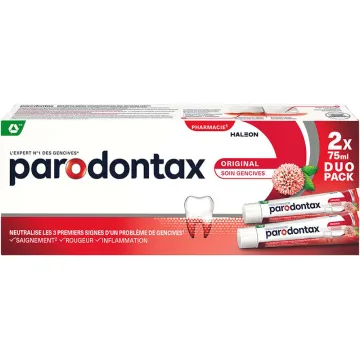
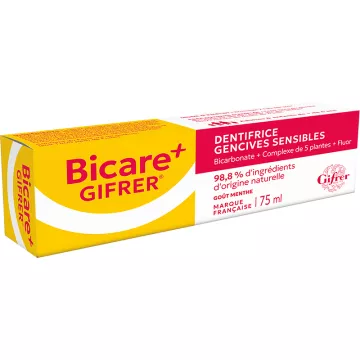
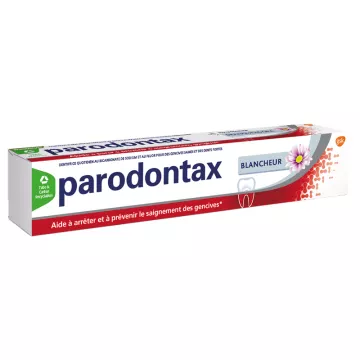
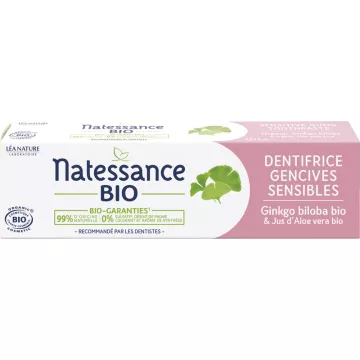
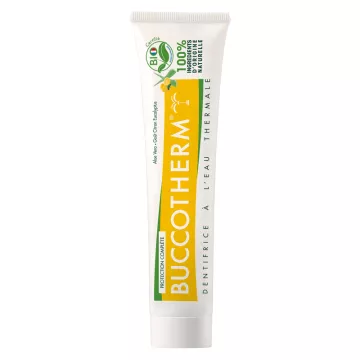
- Specialized toothpastes: sensitive teeth (5% potassium nitrate or strontium chloride— strengthen sensitive teeth)—gums (SLS-free, with aloe vera or allantoin)— enamel strengthening (stannous fluoride, hydroxyapatite) — whitening (monitor RDA abrasives — avoid > 100 on weakened enamel)
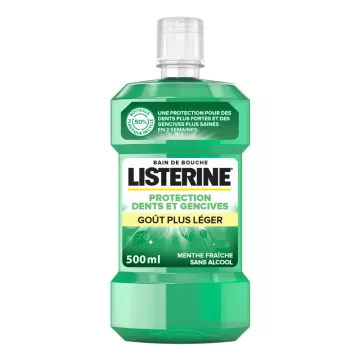
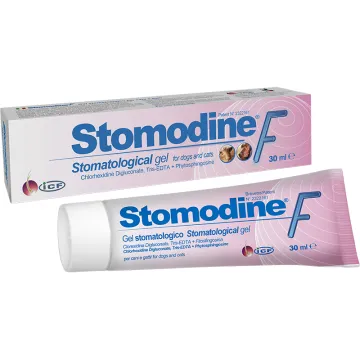
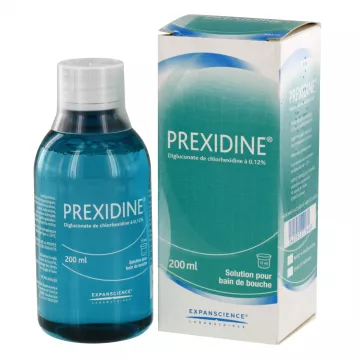
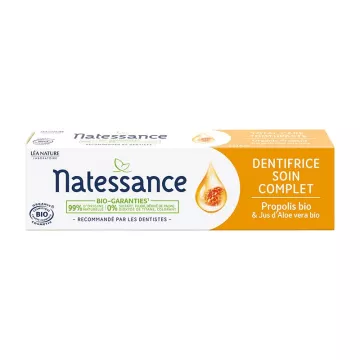
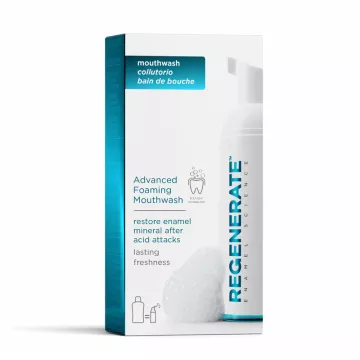
- Mouthwashes — two distinct uses: antiseptic (0.12–0.20% chlorhexidine — 50% reduction in bacterial plaque — short courses of 2 to 4 weeks) — fluoride (225 ppm, used at night without rinsing for nocturnal remineralization) — avoid alcohol-based formulas, which worsen dry mouth and halitosis — natural propolis-based formulas for daily care
- Electric toothbrush: clinically superior for reducing plaque (-21%) and gingival bleeding (-11%) according to Cochrane meta-analyses — recommended for patients with reduced dexterity, those wearing orthodontic appliances, and periodontal patients
What external factors compromise oral hygiene?
Diet directly influences oral health through the frequency of acidic or sugary intake—each intake causes the oral pH to drop below 5.5 for 20 to 30 minutes, leading to enamel demineralization. Frequent snacking is more harmful than consuming a large amount of sugar during a meal, because the enamel does not have time to remineralize between bites. Acidic beverages (soda, fruit juice, kombucha) have the same effect on demineralization as sugary foods.
Tobacco is the most underestimated risk factor: it increases the risk of severe periodontitis by 3 to 7 times, masks gum bleeding through vasoconstriction (giving a false impression of good oral health), and slows healing after any dental procedure. It also promotes tartar buildup and tooth discoloration. Quitting improves gum health within a few weeks.
- Protective foods: hard cheeses (alkalize the pH after meals + calcium) — raw vegetables (mechanically stimulate saliva production) — fluoridated or mineral water (hydration + rinsing between meals) — green tea (antibacterial catechins)
- Signs requiring immediate medical attention: bleeding while brushing (never normal— bleeding gums = gingivitis that needs treatment), spontaneous pain, persistent sensitivity to cold or heat, loose teeth, or a mucosal lesion that does not heal within 14 days
- Impact on overall health: diabetes (bidirectional link with periodontitis—treating gum disease improves HbA1c), cardiovascular disease (transient bacteremia during chewing), obstetric complications (periodontitis associated with preterm birth)—Brushing for 4 minutes a day is one of the most effective preventive health measures there is