When should you use the Virbac Dog & Cat Toothbrushing Kit for daily oral hygiene?
Brushing your dog’s or cat’s teeth is one of the simple habits that can make a lasting difference in their oral health. Just like with humans, food particles accumulate on your pet’s teeth every day and gradually form an invisible layer of plaque. Without regular care, this plaque mineralizes and turns into tartar, leading to gum inflammation, bad breath, and, eventually, tooth pain.
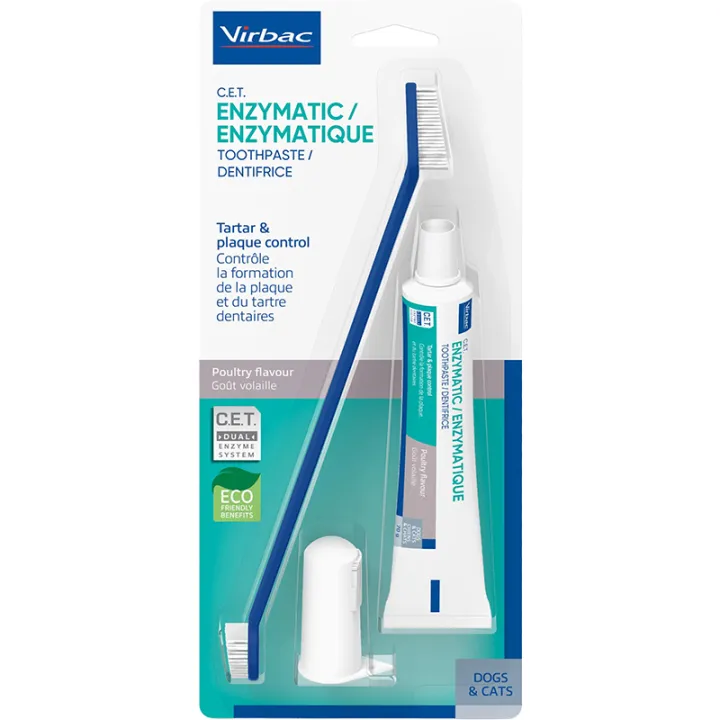
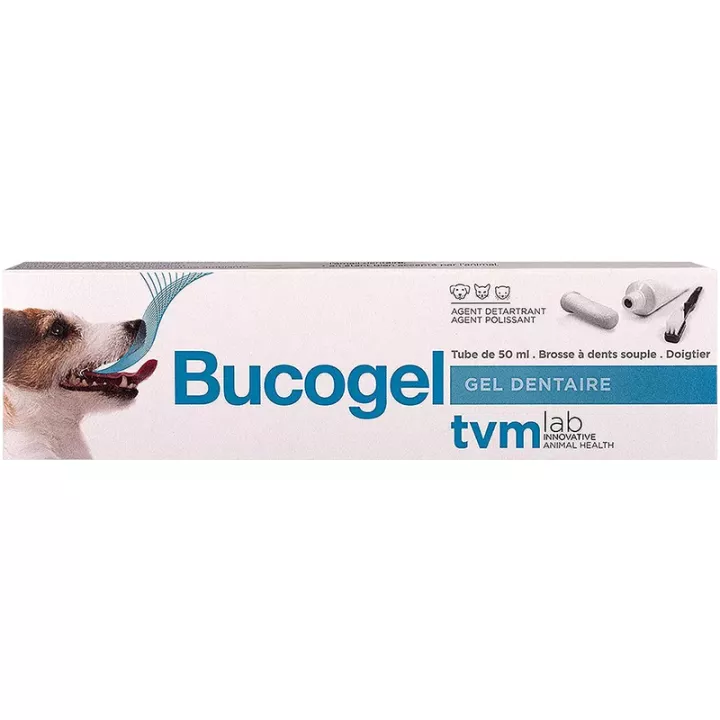
The Virbac Dental Care Kit is designed to establish an effective and safe routine. It includes, all in one case, toothpaste for dogs and cats, a finger sleeve, and a soft-bristled toothbrush with two heads adapted to different jaw sizes. Each accessory plays a specific role, like pieces of a puzzle, to make the process easier to learn and improve the quality of cleaning.
The enzymatic toothpaste acts like a team of micro-cleaners. Thanks to its patented enzymatic complex, it stimulates the mouth’s natural defense mechanisms against plaque and tartar buildup. It doesn’t just mask odors; it acts directly at the source, much like a self-cleaning system that supports oral balance day after day.
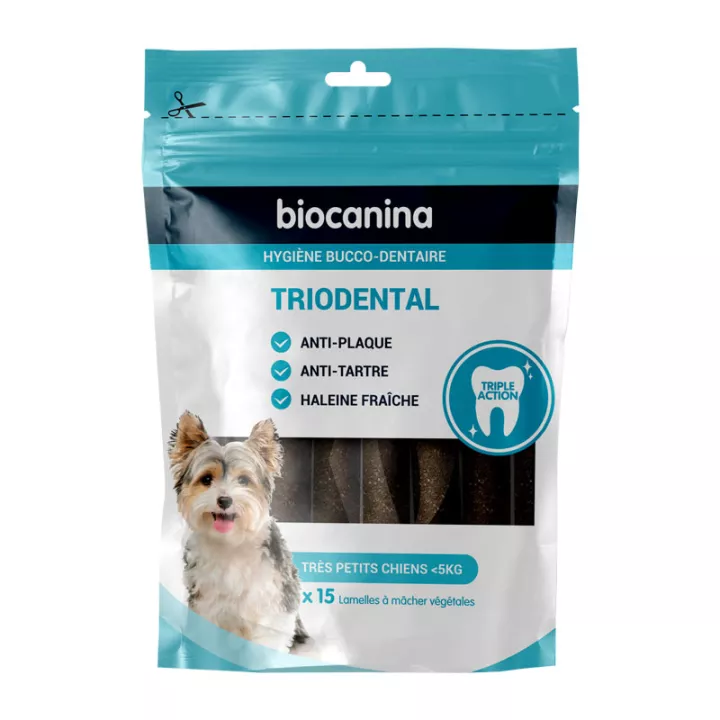
The specially designed toothbrush reaches hard-to-reach areas, particularly the groove between the tooth and the gum—where problems most often begin. Its shape and soft bristles are gentle on sensitive tissues and prevent the injuries that could result from using an unsuitable human toothbrush. Using chew strips or similar treats will then help maintain the results achieved with the toothbrush and the enzymatic toothpaste.
The finger brush, meanwhile, makes the initial stages easier. It gently acclimates your pet to the feel and taste of toothpaste and can also be used on cats. This introductory phase makes brushing a more relaxed experience and helps your pet get used to this new oral hygiene routine for dogs and cats.
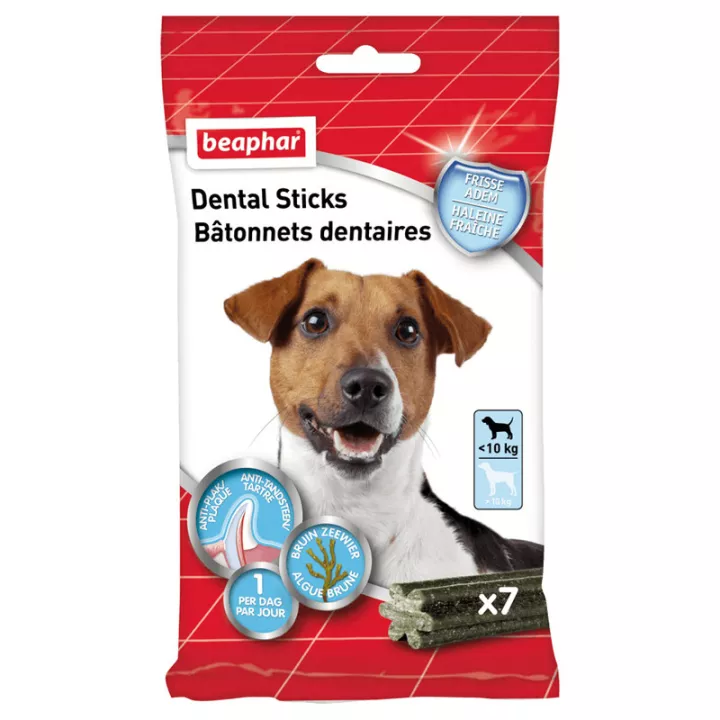
To round out this routine and mix up the tools according to your preferences, you can pair this kit with Beaphar’s Toothpaste and Toothbrush Combi-Pack —an excellent combination that enhances the synergy between mechanical action and enzymatic support.
How to Use This Hygiene Kit to Help Your Pet Maintain Healthy Teeth?
Instructions for Use
Choose a quiet moment when your dog or cat is relaxed. Start by getting them used to the process by petting them as you normally would, then gently lift their lips to expose their teeth. Place a small dab of toothpaste on your finger and let them taste it. The chicken flavor is generally well-accepted.
For the first few weeks, it’s best to use the finger sleeve. Apply a small amount of toothpaste and gently rub a tooth and the adjacent gum with slow, circular motions. Once your pet is comfortable, gradually switch to the toothbrush from the kit, choosing a head that fits the size of your pet’s jaw.
Increase the number of teeth you brush each day. Pay special attention to the back teeth, where tartar tends to build up. Brush for about 30 seconds on each side of the jaw. Daily brushing is ideal, or at least three times a week for maintenance.
Share your feedback on the usage instructions and dosage for the Virbac Dental Brushing Kit for Dogs & Cats with our partner Avis Vérifiés after your purchase.
Precautions
- Oral use
- Not intended for human consumption
- Store in a dry place at room temperature
- Keep out of reach of children
What are the ingredients in this Oral Care Kit for Dogs and Cats?
Toothpaste Ingredients
Patented C.E.T. Dual Enzyme System (Glucose Oxidase, Lactoperoxidase, Potassium Thiocyanate), Hydrated Silica, Titanium Dioxide, Anhydrous Dicalcium Phosphate, Glycerin, Sorbitol, Dextrose, Xanthan Gum, Sodium Benzoate, Flavoring.
Product Description
This kit includes an enzymatic toothpaste, a finger toothbrush, and a toothbrush with two different brush heads, all packaged in a plastic case. Available online at the best price.
Our Expert Tips on the Teeth Brushing Kit for Your Pet’s Oral Hygiene
Make brushing a positive ritual. Associate it with a pleasant moment, such as before a walk or playtime. This consistency turns care into a habit and significantly improves acceptance, especially in sensitive pets.
FAQ
At what age can you start brushing a pet’s teeth?
From a very young age, once their permanent teeth start coming in. The earlier you establish the habit, the more natural brushing becomes.
Does the toothpaste need to be rinsed off?
No. The formula is designed to be safely swallowed and to continue working in the mouth.
What should I do if my pet refuses the toothbrush?
Start with a finger toothbrush and progress slowly. Patience and repetition are key.