Why does oral care go beyond just brushing?
Oral care refers to all the practices that protect the teeth, gums, and oral mucosa from the two most common conditions—tooth decay (bacterial destruction of enamel) and gingivitis (reversible inflammation of the gums) and its advanced form, periodontitis. These two conditions share the same cause: unremoved dental plaque, which forms within 24 to 48 hours on all unbrushed surfaces. Effective tooth brushing twice a day combined with dailyinterdental hygiene forms the essential foundation.Oral care products are available in the store.
Tooth decay follows a specific mechanism: bacteria in dental plaque (S. mutans) ferment sugars into lactic acid, the oral pH drops below 5.5 (the critical threshold), and calcium and phosphate ions are leached from the demineralized enamel. Saliva gradually neutralizes the acidity and allows for remineralization between meals—provided you don’t snack constantly. Fluoride incorporated into the enamel crystals forms fluorapatite, which is more resistant to acids, and is the primary tool for preventing cavities available for home use.
- Fluoride: concentrations to be aware of: 1,450 ppm for adults (check the tube—formulas labeled “natural” or “whitening” are often underdosed) — Do not rinse with water after brushing (this removes 80% of residual fluoride) — Use a 225 ppm fluoride mouthwash in the evening without rinsing (nighttime remineralization) — 2,800–5,000 ppm by prescription for high-risk cases
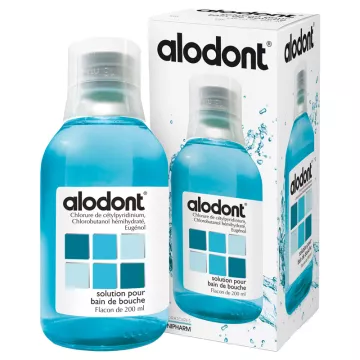
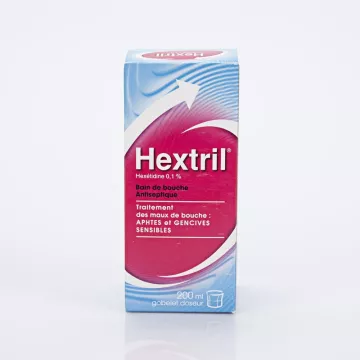
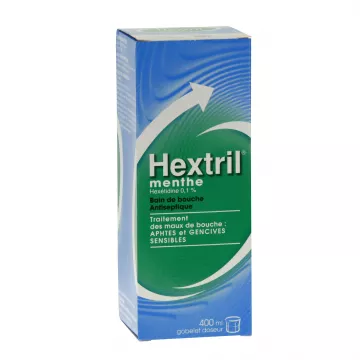
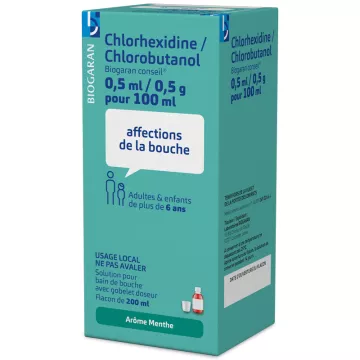
- Mouthwashes: two distinct categories: antibacterial (0.12–0.20% chlorhexidine—reduces plaque by 50%—treatment lasts 2 to 4 weeks) — fluoride (225 ppm at night—remineralization) — choose alcohol-free (alcohol exacerbates dry mouth and bad breath) — propolis mouth spray naturally complements the antibacterial action
- Whitening toothpastes: abrasive agents (high RDA) that polish away surface stains without affecting intrinsic pigmentation — moderate use recommended (intensive daily use on weakened enamel accelerates erosion) — Whitening formulas do not improve protection against cavities and are often underdosed in fluoride — for long-lasting results, professional whitening remains the only effective option for intrinsic stains
How should you manage tooth sensitivity and gum care as part of your daily routine?
Tooth sensitivity occurs when dentin is exposed—either due to enamel loss (erosion, overly vigorous brushing) or gum recession. The mechanism is hydrodynamic: heat, cold, or sugar trigger fluid flow through the dentinal tubules, which stimulates the nerves. Management involves using desensitizing toothpastes (5% potassium nitrate—which depolarizes nerve fibers—or strontium chloride—which mechanically blocks the tubules) and a gentle brushing technique (ultra-soft toothbrush, Bass technique, no excessive pressure).
- Toothbrush: the golden rules: always use soft bristles (hard bristles abrade enamel and recede the gums) — small head (for access to molars and lingual surfaces) — replace every 3 months — the oscillating-rotating electric toothbrush is clinically superior (21% less plaque, 11% less gum bleeding vs. manual brushing, according to Cochrane)
- Gum care as part of your routine: Bleeding while brushing is the first sign of gingivitis (never normal) — continue brushing despite bleeding (stopping perpetuates inflammation) — protect gums with SLS-free toothpaste and alcohol-free mouthwash — see a dentist if bleeding persists for more than 14 days
- Tobacco and oral care: increases the risk of severe periodontitis by 3 to 7 times — masks gum bleeding through vasoconstriction — increases the risk of oral cancer — slows healing after any dental procedure — quitting improves gum health within a few weeks
When does professional care complement daily oral care?
Even with perfect oral hygiene, certain procedures are best left to the dentist. Professional scaling removes subgingival tartar (which calcifies in 10 to 15 days and cannot be removed by brushing)—essential 1 to 2 times a year. Interdental cavities are not visible to the naked eye—only periapical X-rays can detect them early. Deep gum pockets can only be assessed through professional probing.
- Dental sealants: resin applied to the grooves of the molars (areas at very high risk for cavities—difficult to brush) — beneficial for children and adolescents — but also for adults with deep grooves or a high risk of cavities — a quick and painless procedure — protection lasts several years depending on oral hygiene and wear
- Professional fluoride varnishes: 22,600 ppm — release fluoride over several days — recommended after scaling, for patients wearing orthodontic appliances, those undergoing chemotherapy, or those with chronic dry mouth — at-home enamel strengthening complements these treatments
- Signs that require an immediate dental visit: persistent gum bleeding, spontaneous pain, persistent bad breath despite good oral hygiene, new or increasing sensitivity, loose teeth, or a mucosal lesion that does not heal within 14 days