What is tooth enamel, and why can it erode?
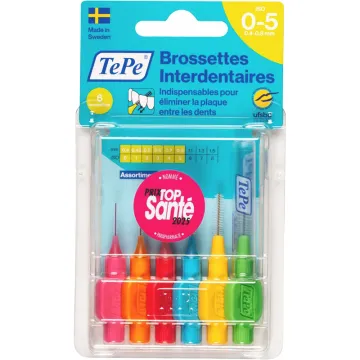
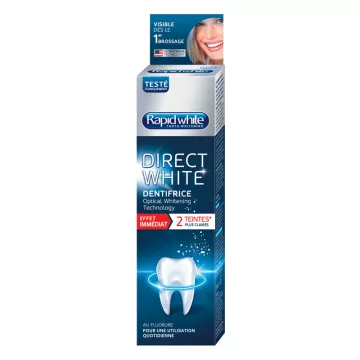
Tooth enamel is the outer layer of the tooth crowns—the hardest substance in the human body (5 on the Mohs scale), entirely mineral-based (96% crystalline hydroxyapatite), and devoid of living cells. Its hardness is also its weakness: once demineralized, enamel does not regenerate on its own. However, the early stages of demineralization (white spots before cavities form) are reversible through remineralization—this is the foundation of any strategy to strengthen tooth enamel. Products to improve oral hygiene and appropriate toothbrushing care are available in the store.
- Mechanism of demineralization: plaque bacteria (Streptococcus mutans) ferment sugars into lactic acid—the oral pH drops below 5.5 (the critical threshold for hydroxyapatite) — calcium and phosphate ions leave the enamel crystals to buffer the acid — the crystalline structure gradually weakens
- Causes of enamel erosion: frequent consumption of acidic foods and beverages (sodas, fruit juices, kombucha, vinegar—pH 2 to 4, well below the threshold) — gastroesophageal reflux (gastric hydrochloric acid with a pH of 1–2 coming into contact with the palatal surfaces of the incisors) — brushing immediately after an acidic meal (enamel temporarily softened by acidity; the mechanical action of brushing removes it) — bruxism (mechanical occlusal wear)
- Signs of erosion: shorter or more translucent teeth at the incisal edges (wear of the occlusal surfaces) — concavities on the palatal surfaces (acid erosion) — tooth sensitivity to cold, heat, and sugar (dentin exposed due to enamel loss) — yellowish discoloration (underlying dentin visible through translucency)
- Bruxism: mechanical wear of the occlusal and incisal surfaces without acid involvement — a nighttime occlusal splint is essential to halt progression — without it, no remineralizing treatment can compensate for nocturnal wear
How to strengthen enamel: fluoride, hydroxyapatite, and remineralization?
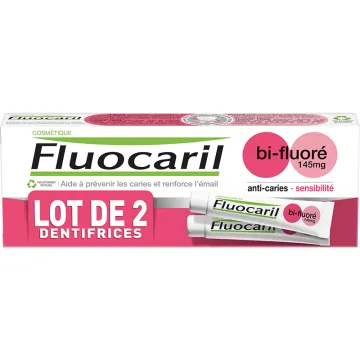
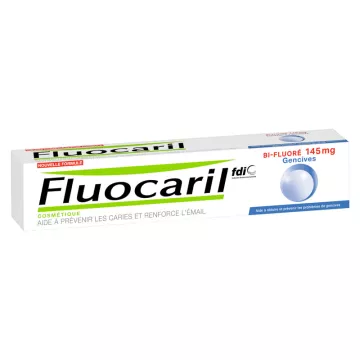
Remineralization involves replenishing enamel crystals depleted of calcium and phosphate ions, ideally strengthening them through the incorporation of fluoride. Fluoride is the gold standard remineralizing agent—it replaces the hydroxyl ions in hydroxyapatite to form fluorapatite, a structure that is 30% more resistant to acids (it demineralizes at a pH of 4.5 instead of 5.5 for hydroxyapatite). The concentration of fluoride in toothpaste determines its effectiveness: 1,450 ppm for adults (European standard), 2,800–5,000 ppm by prescription for high-risk cases. Do not rinse with water after brushing: rinsing removes 80% of the protective residual fluoride.
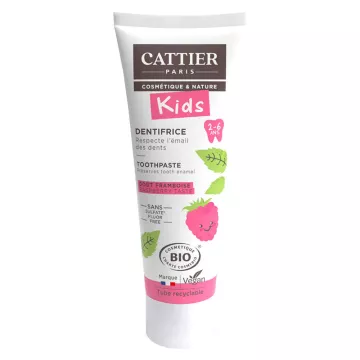
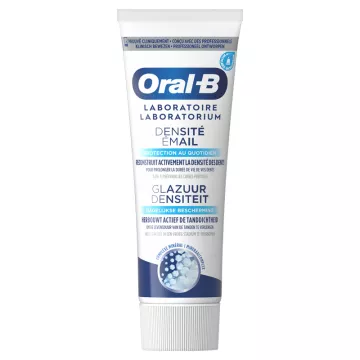
- Hydroxyapatite (HAp)—a natural alternative to fluoride: synthetic hydroxyapatite nanoparticles (identical to the mineral in enamel)—deposit directly into the microcavities of demineralized enamel — seals the dentinal tubules on sensitive teeth — an option for people who wish to avoid fluoride or for young children — effectiveness comparable to 1,000–1,450 ppm of fluoride in recent studies
- Professional fluoride varnishes: 22,600 ppm fluoride — applied by the dentist — release fluoride over several days — recommended for patients at high risk of cavities, those who have undergone chemotherapy or radiation therapy, and those wearing orthodontic appliances — cumulative effect when used with daily toothpaste
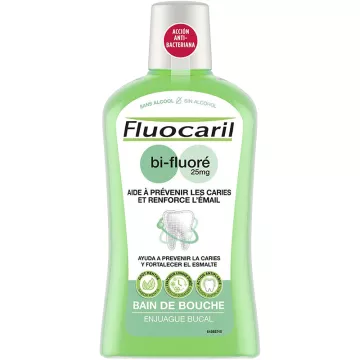
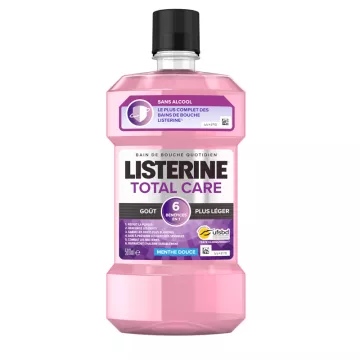
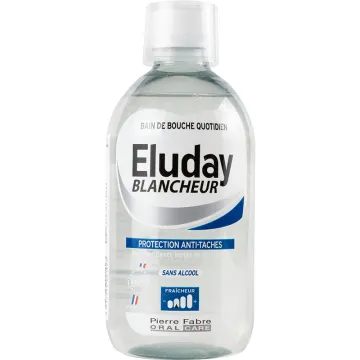
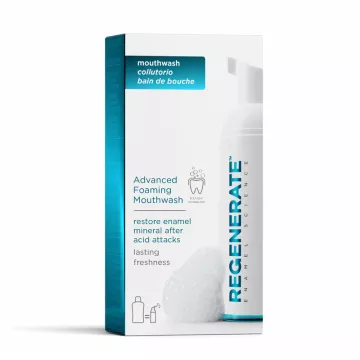
- Fluoride mouthwash at night: 225 ppm — no need to rinse with water afterward — the fluoride film acts on the enamel all night long — use well before or after brushing to avoid diluting the fluoride in the toothpaste — not recommended for children under 6 years of age (risk of fluorosis if swallowed)
- Calcium and vitamin D supplements: Vitamin D is essential for intestinal calcium absorption—a deficiency reduces the remineralization of alveolar bone and enamel—particularly in the elderly and pregnant women—serum levels should be checked before supplementation
Diet and Daily Habits to Protect Enamel
Oral pH is the primary regulator of demineralization. Each intake of acidic food or drink causes the pH to drop below 5.5 for 20 to 30 minutes—saliva gradually neutralizes the acidity, and the pH rises again. If acidic intake occurs in rapid succession (snacking, sipping sugary drinks), the pH never recovers sufficiently between intakes, and enamel continuously demineralizes. Practical tip: Drinking water or chewing sugar-free gum with xylitol after consuming an acidic item helps restore the pH to neutral more quickly.
- Remineralizing foods: hard cheeses (alkalize oral pH + bioavailable calcium) — milk and yogurt (calcium + phosphorus) — walnuts and almonds (calcium + phosphorus + magnesium) — fish with bones (calcium) — green vegetables (calcium + magnesium) — calcium-rich mineral water
- Essential protective measures: wait 30 minutes after an acidic meal before brushing — drink acidic beverages through a straw (reduces contact with the palatal and buccal surfaces) — do not swish acidic beverages around in your mouth — rinse with water immediately after drinking a carbonated or acidic beverage — cavity prevention and enamel strengthening are closely linked
- When to see a dentist: increasing tooth sensitivity, teeth appearing shorter, visible indentations on the palatal surfaces, opaque white spots on the enamel — the dentist assesses the severity and recommends a remineralization treatment plan or, if the enamel is too damaged, protection using a composite filling, veneer, or crown