How Does Tooth Decay Really Form?
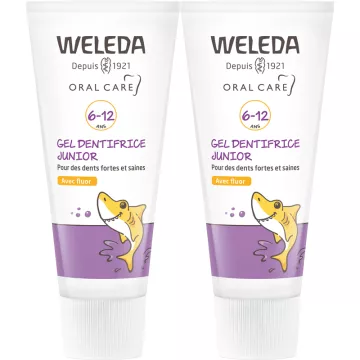
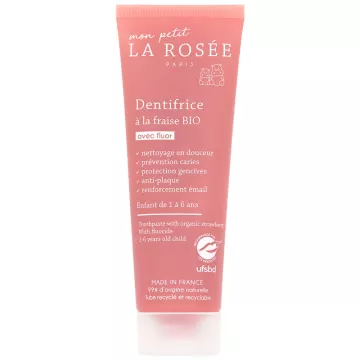
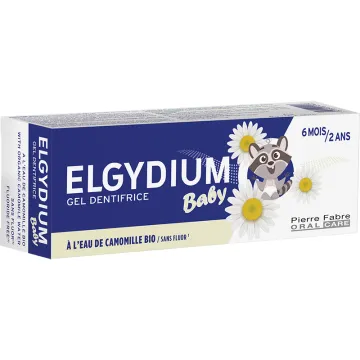
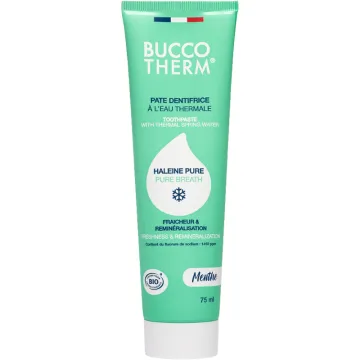
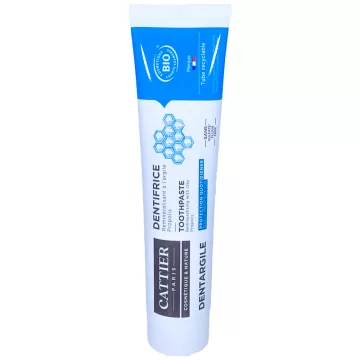
Preventing tooth decay starts with understanding the mechanism behind it—and it’s a precise one. Tooth decay isn’t simply “tooth deterioration”; it’s the result of a repeated imbalance between the demineralization and remineralization phases of enamel. The good news: this imbalance is largely preventable with the right habits. For any existing toothache, the toothache page details emergency care. Toothpastes and oral hygiene products are available in the store.
- The four factors that must come together for a cavity to form: a tooth (vulnerable mineralized enamel) + cariogenic bacteria (Streptococcus mutans + Lactobacillus) + a fermentable substrate (sugars and starches) + time — eliminating any one of these factors is enough to break the cycle
- The biochemical mechanism: bacteria in dental plaque ferment sugars → production of acids (lactic acid, acetic acid) → oral pH drops below 5.5 (critical threshold) → dissolution of hydroxyapatite crystals in the enamel (demineralization) → if demineralization outweighs remineralization → cavity
- Stephan’s curve: each sugary snack causes the oral pH to drop within 3–5 minutes → an acidic phase lasting 20 to 40 minutes before saliva neutralizes it → 5 sugary snacks per day = 5 daily cycles of acid attack — it is the frequency of sugary snacks (not the total amount of sugar) that is the primary risk factor
- Stages of tooth decay: Stage 0 — white spot (superficial demineralization, reversible with fluoride) — Stage 1 — enamel caries (enamel affected, few symptoms) — Stage 2 — dentin caries (dentin affected, sensitivity to hot, cold, and sugar) — Stage 3 — pulp caries (nerve affected, spontaneous pain) — Stage 4 — necrosis and abscess — The earlier caries is treated, the simpler and less invasive the treatment
Fluoride: How Does It Actually Protect Enamel?
- Fluoride’s protective mechanism: Fluoride deposits on the enamel and reacts with hydroxyapatite to form fluorapatite — which is more resistant to acids (dissolves at a pH of 4.5 instead of 5.5) — Fluoride also promotes remineralization by accelerating the recrystallization of enamel after an acid attack — it inhibits the glycolytic enzymes of Streptococcus mutans (reducing acid production by the bacteria)
- Effective concentration in toothpaste: children 0–3 years old: 1,000 ppm max (by prescription) — children 3–6 years old: 1,000–1,450 ppm — children over 6 years old and adults: 1,450–1,500 ppm (European standard) — high-risk adults: 2,800 to 5,000 ppm by prescription — concentration is the key factor, not the brand — always spit out without rinsing after brushing to maintain the protective fluoride film
- Professional topical fluoride: fluoride varnish (22,600 ppm — Duraphat) — applied 2 to 4 times a year by the dentist to high-risk patients — fluoride gel in a mouthguard — fluoride mouthwash (225–500 ppm) in the evening after brushing — each enhances remineralization and enamel strength
- Systemic fluoride and water: Tap water in France generally contains 0.1–0.3 mg/L of fluoride (too low for dental protection) — Fluoride tablets (pediatric fluoride supplements) prescribed only by a doctor or dentist based on local fluoride levels and caries risk — Topical fluoride (toothpaste) is always more effective than systemic fluoride for direct enamel protection
Diet, Saliva, and Remineralization: Natural Protective Factors
- Reduce the frequency of sugary meals: cutting back from 6 to 3 meals a day significantly reduces the number of acid cycles — structured meals are less cariogenic than constant snacking — hard candies (prolonged contact) and sugary drinks (repeated contact) are more cariogenic than sugary solid foods consumed during meals
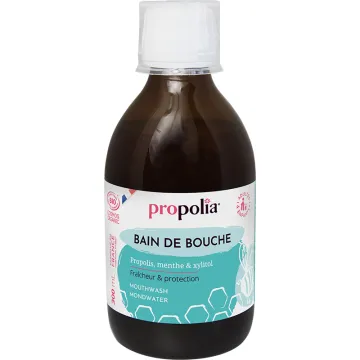
- Xylitol—the anti-cavity sweetener: a natural sweetener (birch, corn) — not fermentable by Streptococcus mutans (bacteria cannot produce acid from xylitol) — actively inhibits bacterial growth — xylitol-containing chewing gum (5 g/day, 3 times after meals) are recommended by the WHO and the UFSBD to stimulate saliva production and reduce cariogenicity — propolis products can complement this antibacterial effect
- Role of saliva: acid buffer (salivary bicarbonates neutralize acids within 20–30 minutes after a meal) — source of calcium and phosphate ions (remineralization) — antibacterial (secretory IgA, lysozyme, lactoferrin)—xerostomia (dry mouth—caused by anticholinergic medications, radiation therapy, Sjögren’s syndrome) increases the risk of caries by a factor of 3 to 5
- Calcium and Vitamin C: Calcium is the primary building block of hydroxyapatite — an adequate dietary intake of calcium supports the continuous remineralization of enamel — vitamin C is essential for the synthesis of gingival collagen (health of the tissues supporting the teeth) — a vitamin C deficiency weakens the gums and can contribute to periodontal disease, which exposes the tooth root to cervical caries
- Protective foods: hard cheeses (stimulate saliva production + provide calcium + have an alkalizing effect) — mineral water (bicarbonated, replaces acidic beverages) — raw vegetables and coarse fiber (mechanically stimulate saliva production) — chewing sugar-free gum promotes saliva clearance after meals
Effective prevention routine: what really makes a difference
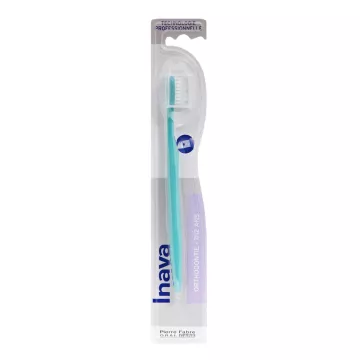
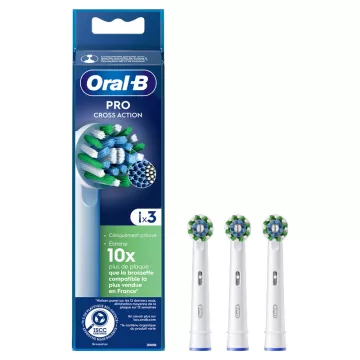
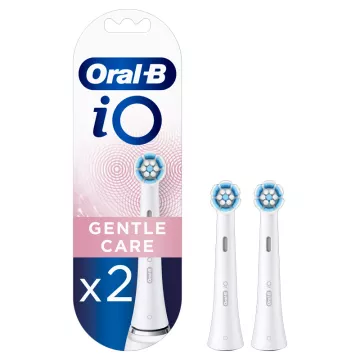
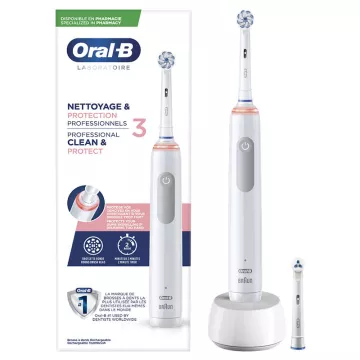
- Toothbrushing: the most common mistakes: brushing too hard (damages enamel and gums without removing more plaque) — brushing too quickly (< 2 minutes: plaque not sufficiently removed) — rinsing thoroughly after brushing (removes protective fluoride — spit out without rinsing) — neglecting the lingual surface (tongue side) and the gums — oscillating-rotating electric toothbrushes are clinically superior to manual ones for reducing plaque
- Dental floss and interdental brushes: 40% of the tooth’s surface is in the interdental spaces and inaccessible to a toothbrush — interdental plaque is the main source of cavities and gingivitis — use dental floss or interdental brushes of the correct size once a day (in the evening)—interdental brushes are more effective than floss in wide spaces (after periodontal treatment, with crowns or bridges)—products available in the dental floss line
- Preventive dental checkups: scaling + polishing + interproximal X-rays 1 to 2 times a year — A stage 0 or 1 cavity (white spot / enamel caries) can be remineralized without drilling using professional-grade fluoride + dietary changes — waiting until you feel pain before seeing a dentist results in increasingly invasive and costly treatment
- High-risk groups: children with primary teeth (less mineralized enamel) — older adults (gum recession exposing tooth roots) — patients taking medications that reduce saliva production (antidepressants, antihistamines, diuretics) — people with gastroesophageal reflux (stomach acids erode enamel) — orthodontic patients with fixed braces (plaque builds up around the brackets) — see also the oral hygiene page