Why can a toothache be so intense?
A toothache is one of the most intense pains a person can experience—and for good reason: the dental pulp (the living tissue at the center of the tooth, containing nerves and blood vessels) is enclosed in a rigid chamber. When an infection or inflammation develops there, pressure builds up with no room to expand, continuously compressing the nerve fibers. This mechanism explains why the pain is often throbbing and unbearable. Toothache is never a pain you should just “wait out”—it always signals a problem that requires a dental visit. While waiting for your appointment, homeopathic remedies for dental pain and goodoral hygiene practices can provide temporary relief.
- Pulpitis (inflammation of the pulp): caused by deep decay, trauma, or a crack—the pulp, which is supplied with blood but enclosed within the pulp chamber, swells without being able to expand—intense, spontaneous pain, often at night, worsened by heat and relieved by cold in the early stages—irreversible: treatment involves root canal therapy (pulpectomy) or extraction
- Dental abscess: a bacterial infection that develops at the root apex (apical abscess) or around the gum (periodontal abscess)—a collection of pus under pressure—intense and constant pain, swelling of the cheek, sometimes fever—an absolute dental emergency—see the page on oral abscesses
- Tooth decay: gradual destruction of the enamel and then the dentin by acids produced by bacteria (Streptococcus mutans) — becomes painful once the dentin is affected (sensitivity to sugar, heat, and cold) — an untreated cavity progresses toward the pulp and can lead to pulpitis or an abscess
- Cracked or fractured tooth: direct trauma, chronic bruxism, biting into hard food—characteristic pain when biting (“cracked tooth syndrome”)—not visible on standard X-rays—clinical diagnosis via cotton-bite tests
- Other causes: dentin hypersensitivity (following gum recession or scaling) — post-extraction alveolitis (dislodged blood clot, severe pain on day 3) — referred pain (maxillary sinusitis mimicking toothache in the upper premolars) — temporomandibular joint (TMJ) dysfunction
What symptoms warrant an emergency visit?
- Swelling of the cheek, neck, or under the jaw: a sign of a spreading abscess — may progress to life-threatening cervicofacial cellulitis — seek emergency dental care the same day without delay
- Fever > 38 °C accompanied by tooth pain: the infection has spread beyond the local area—risk of bacteremia and systemic spread—urgent antibiotics and surgical drainage are required
- Difficulty swallowing or breathing: the swelling is compressing the upper airways (Ludwig’s angina)—a life-threatening emergency; call 15 or go to the emergency medical services (SAMU)
- Unbearable throbbing pain that does not respond to pain relievers: a sign of irreversible pulpitis or an abscess—the pain will not subside without causal treatment (pulpectomy, drainage, antibiotics)
- Recent dental trauma: broken tooth, dislocated (displaced) or avulsed (dislodged from its socket) tooth → emergency care within 30 to 60 minutes for an avulsed tooth (replant in milk or under the cheek) — see the dental surgery page
How can you relieve a toothache while waiting to see the dentist?
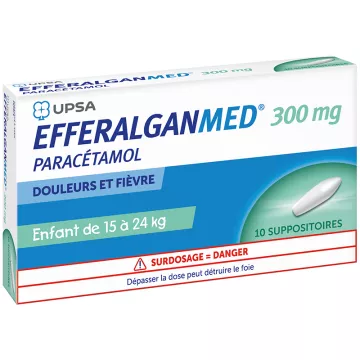
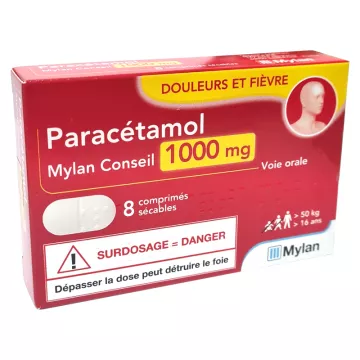
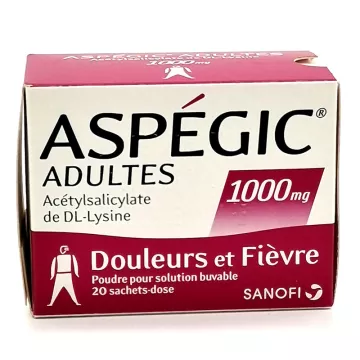
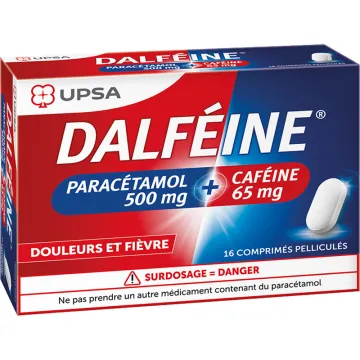
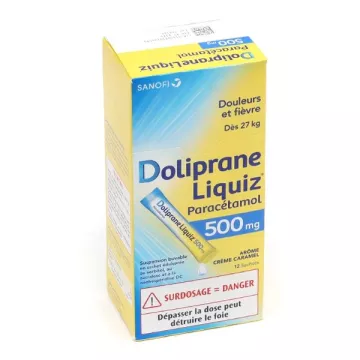
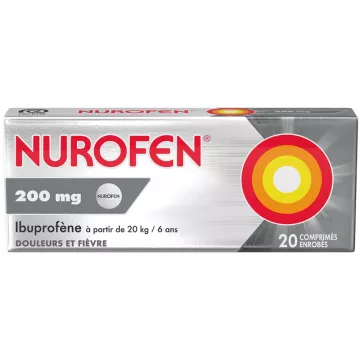
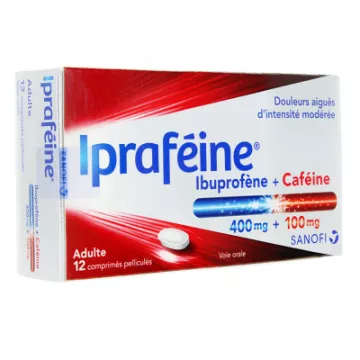
- First-line pain relievers: acetaminophen 1 g (every 6 hours, max 4 g/day) — ibuprofen 400 mg (every 8 hours with a meal; contraindicated if an abscess is suspected, as it may mask a fever and promote the spread of infection) — Combining acetaminophen and ibuprofen is possible, taken alternately as advised by a pharmacist — Never place aspirin directly on the gums (mucosal burns)
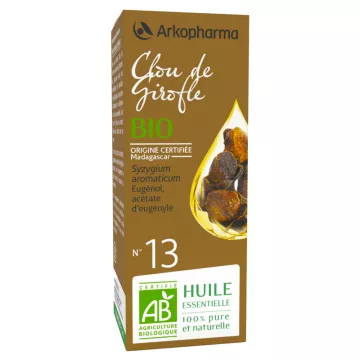
- Clove essential oil (eugenol): the most well-documented natural local anesthetic — eugenol has been used for decades in dentistry as a base for temporary cement and as a local analgesic — apply a few drops to a cotton ball and place it on the painful area for 2–3 minutes — do not swallow, do not apply directly to the gums in high concentrations (risk of burns) — relieves pain for 30 to 60 minutes
- Warm salt water rinse: 1 teaspoon of salt in a glass of warm water—a mild osmotic antibacterial agent that reduces local inflammation—cleans away food debris that can worsen pain—rinse 3 to 4 times a day—do not swallow
- External cold compress: ice pack wrapped in a cloth, applied to the cheek for 15 minutes every hour — reduces swelling and numbs the area locally — never apply heat to a toothache (heat increases blood flow and worsens pulp pressure)
- Propolis: a natural resin with antibacterial and anti-inflammatory properties — as a mouth spray or tincture applied to the painful area — can alleviate pain and reduce local infection while waiting for a dental appointment — does not replace antibiotics in cases of an established abscess
How can you prevent long-term tooth pain?
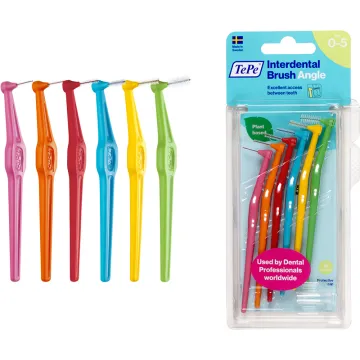
- Thorough daily oral hygiene: brush twice a day with fluoride toothpaste (1,450 ppm fluoride for adults) — flossing or using interdental brushes once a day — ineffective brushing allows bacterial plaque to build up → cavities → pulpitis → pain — these accessories are available in our dental floss line
- Preventive dental checkups every 6 to 12 months: scaling and polishing — X-ray examination (interproximal cavities invisible to the naked eye) — A cavity detected early (enamel stage) can be treated in 10 minutes — A cavity detected late (pulp stage) requires a root canal or extraction
- Diet and sugars: Limit sugary snacks between meals (each sugary snack triggers an acid attack on the enamel for 20 to 30 minutes) — Wait 30 minutes after an acidic meal before brushing your teeth (the enamel is temporarily softened) — Sugary and acidic beverages are more harmful than sugary solid foods (due to prolonged contact with the enamel)
- Protection against bruxism: Bruxism (teeth grinding, often at night) causes fractures, cracks, and accelerated enamel wear — a custom-made occlusal guard (fabricated by the dentist) effectively protects the teeth — Stress management is complementary (bruxism is often exacerbated by anxiety) — see also the stomatitis page for related oral conditions
- Dental Health and General Health: Untreated chronic dental infections increase systemic inflammation and have been epidemiologically linked to increased cardiovascular risks (oral bacteria can enter the bloodstream) — good oral health contributes to overall health —oral hygiene tips available in the store