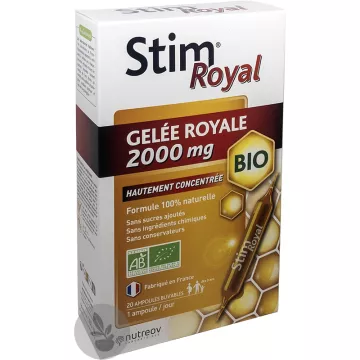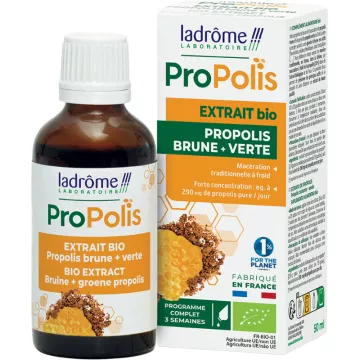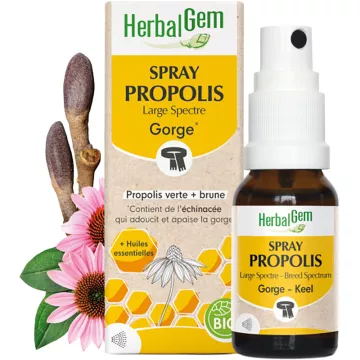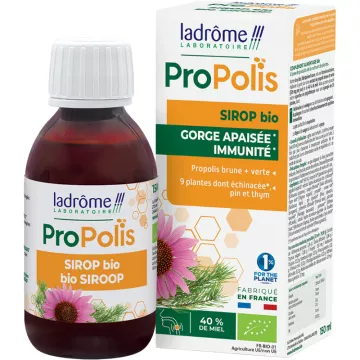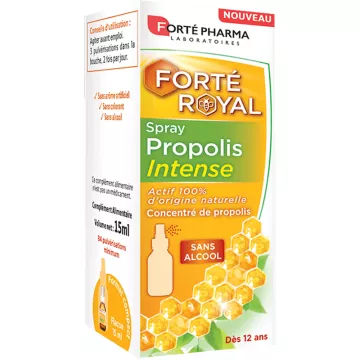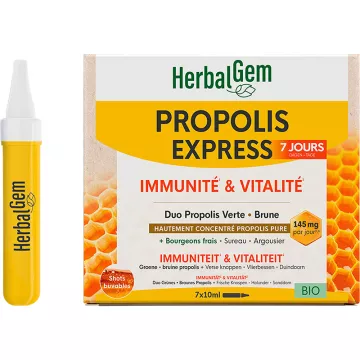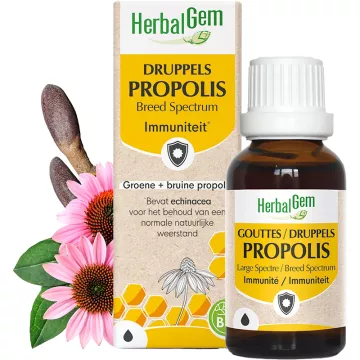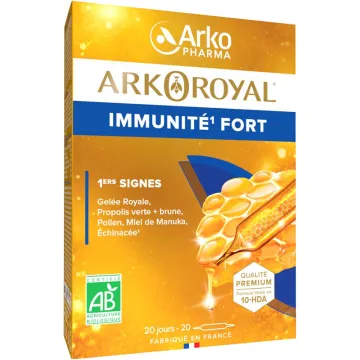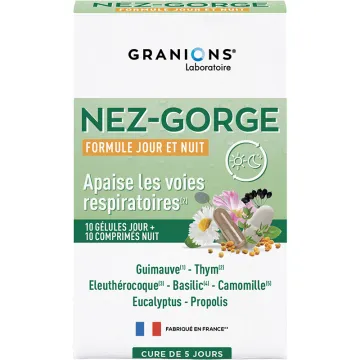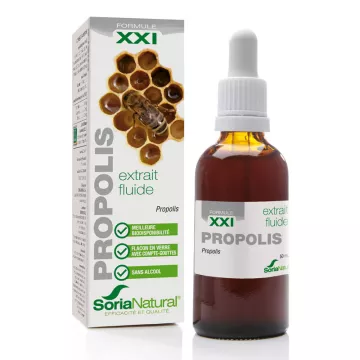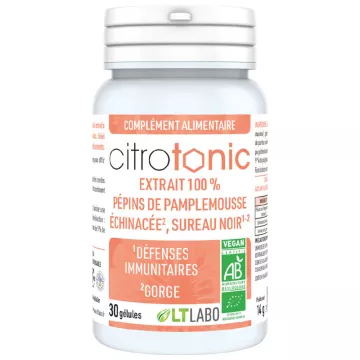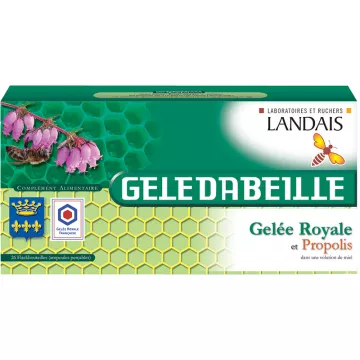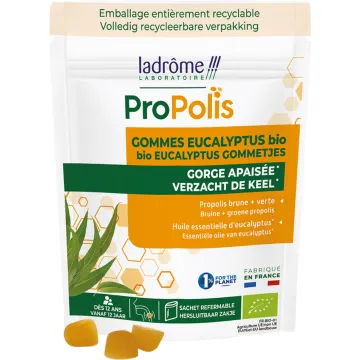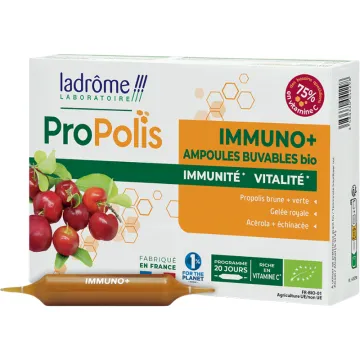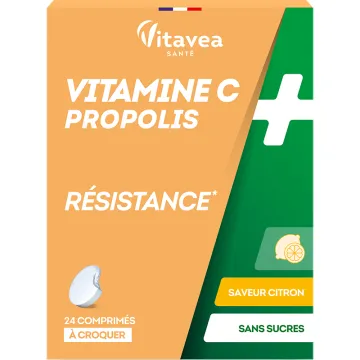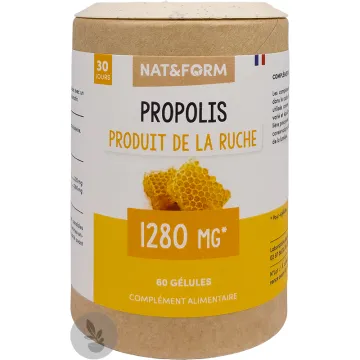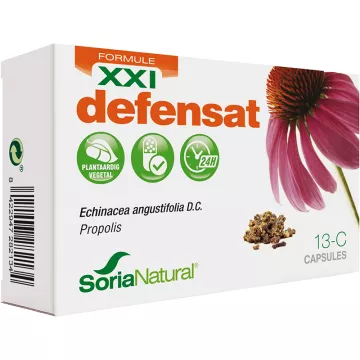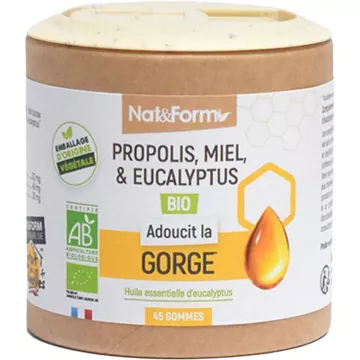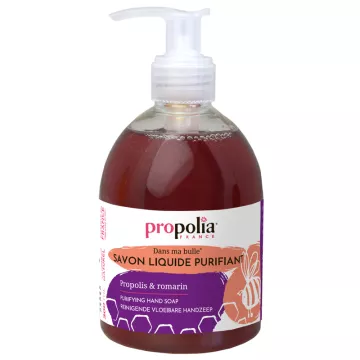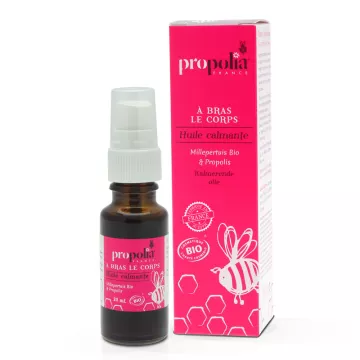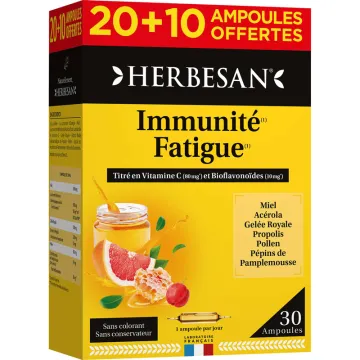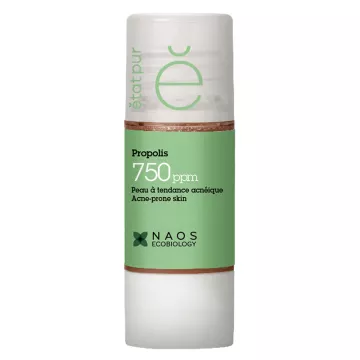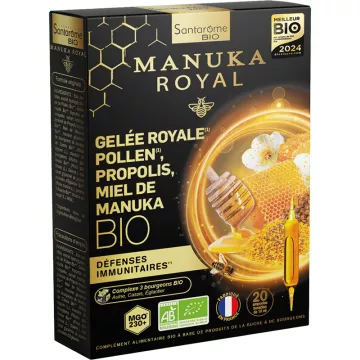
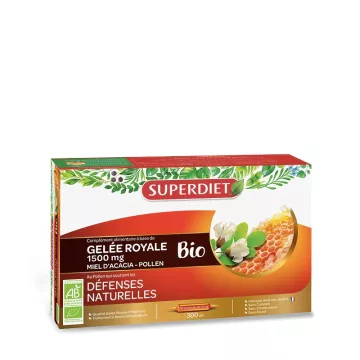
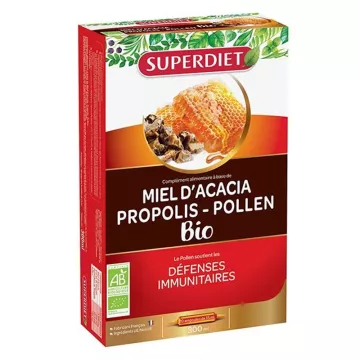
Propolis is a plant resin collected by bees (Apis mellifera) from buds, bark, and surrounding plants, which they then process using their saliva and wax to create a sealant used in the hive to seal cracks and neutralize pathogens. Its composition varies depending on its botanical and geographic origin: temperate brown propolis (Europe, predominantly poplar) contains mainly flavonoids (pinocembrin, galangin) and phenolic esters (CAPE—its most studied active ingredient); Brazilian green propolis (Baccharis dracunculifolia) is rich in artepillin C and terpenes; Caribbean red propolis (Dalbergia) contains specific isoflavonoids. The extracts are standardized for total flavonoids to ensure the reproducibility of biological activity. To strengthen the immune system, propolis activates macrophages and NK cells and modulates interferon production.
Each dosage form offers specific benefits for ENT conditions:
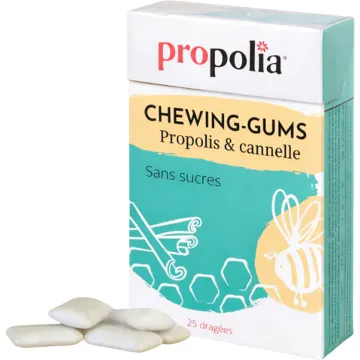
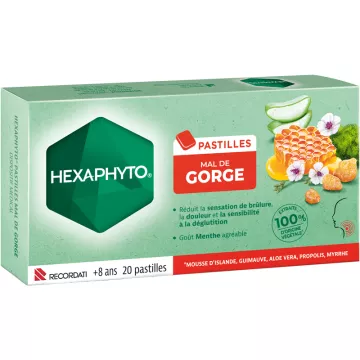
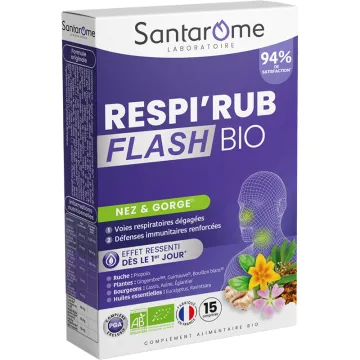
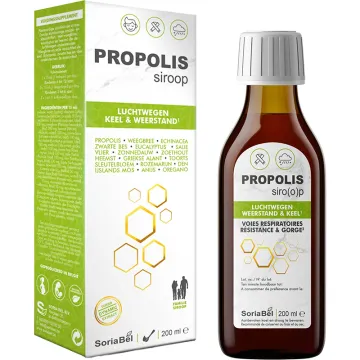
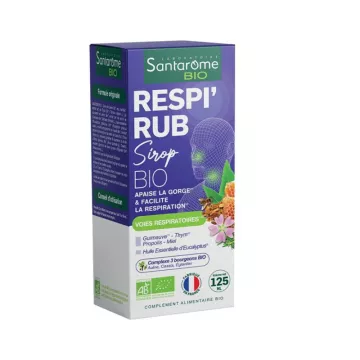
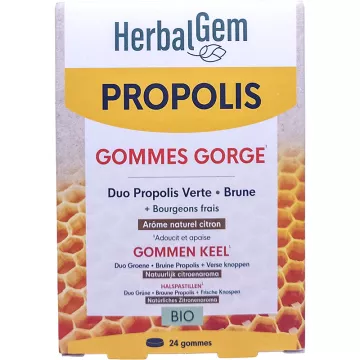
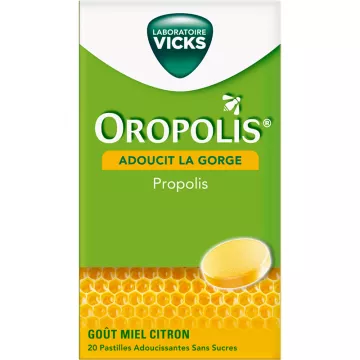
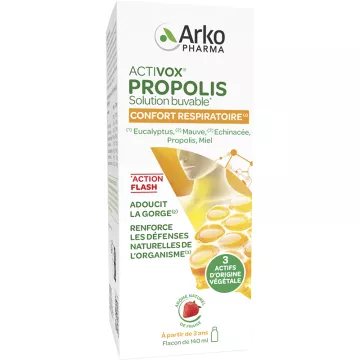
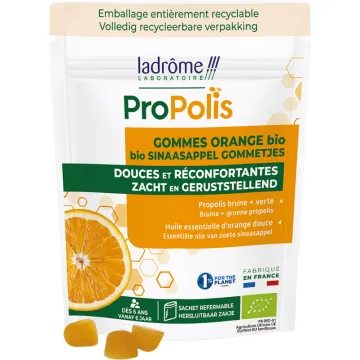
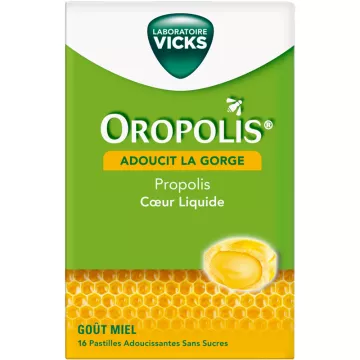
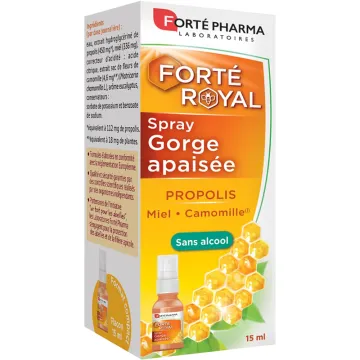
Propolis syrups (a combination of propolis, honey, and herbs such as thyme, plantain, and marshmallow) combine the antimicrobial action of propolis, the soothing effect of honey (which forms a protective film on the pharyngeal mucosa), and the expectorant properties of the accompanying herbs. They should be taken 3 to 5 times a day between meals to allow the propolis film to remain in prolonged contact with the mucosa. Propolis lozenges (slow-dissolving) provide 10 to 15 minutes of contact with the mucous membrane—an advantage over liquid forms that are quickly swallowed. These forms are contraindicated for people allergic to bee products (pollen allergy, bee sting allergy).
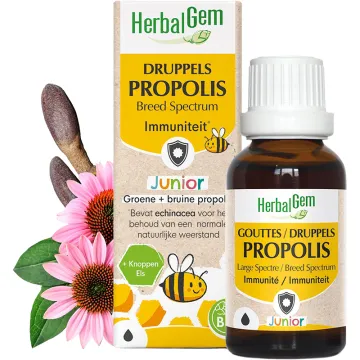
Junior propolis formulas (alcohol-free diluted drops, low-concentration syrups, pediatric lozenges) make it possible to incorporate propolis into the preventive routine of children as young as 3 years old. Propolis is particularly used to prevent recurrent winter upper respiratory infections (nasopharyngitis, ear infections) and to support the immune system when children return to group settings. Its effect on post-infectious fatigue has also been documented. In children allergic to pollen or bee stings, propolis is contraindicated—pollen is a natural component of raw propolis and can trigger reactions in atopic children.
The use of propolis for hay fever is controversial—propolis naturally contains pollen that can exacerbate allergic symptoms in sensitized individuals. Outside of pollen seasons, its flavonoids (quercetin, kaempferol) inhibit the release of histamine by mast cells in vitro, suggesting underlying anti-allergic potential. Medical advice is recommended before use in individuals prone to allergies to bee products.
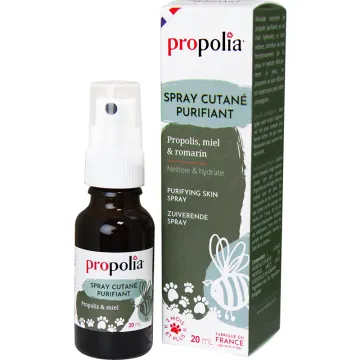
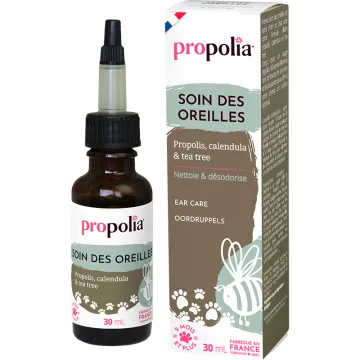
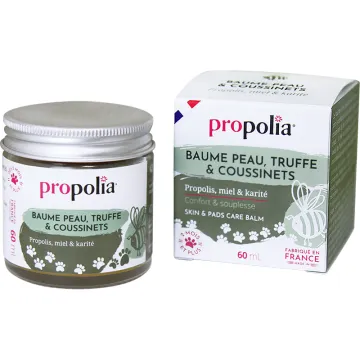
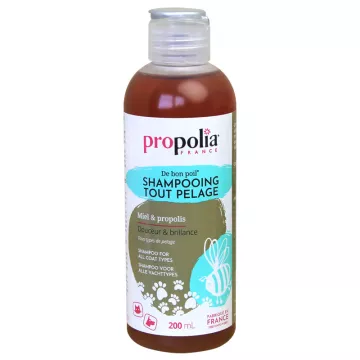
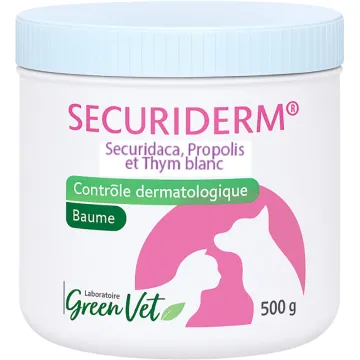
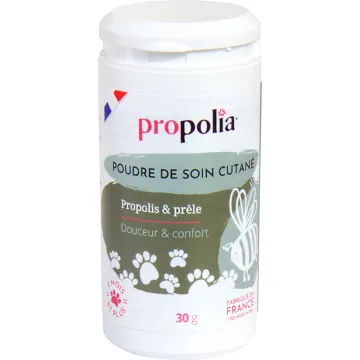
Propolis is also used in natural veterinary medicine: propolis-based ear care products for dogs and cats (propolis and calendula ear lotion) provide local antiseptic and anti-inflammatory relief for mild catarrhal otitis. Purifying propolis skin sprays are applied to small wounds, scrapes, and irritated areas of the coat. These veterinary formulas (Propolia Animaux) are alcohol-free to avoid irritating the animal’s mucous membranes. For cats (which are highly sensitive to the phenolic compounds in essential oils), formulas made with pure propolis without essential oils are preferable. Propolis combined with ginseng provides a natural immunomodulatory synergy for older pets or those with compromised immune systems.