What is a throat soother, and how does it work?
A throat soother is a product—such as a lozenge, spray, syrup, or oral gel—designed to soothe irritated throat tissue. It works by forming a protective film (mucilaginous or film-forming) over the inflamed tissues, reducing friction during swallowing and limiting contact between irritants and the mucous membrane. Some products combine this film-forming action with antiseptic or analgesic active ingredients for more complete relief. Sore throat remedies are available in the store.
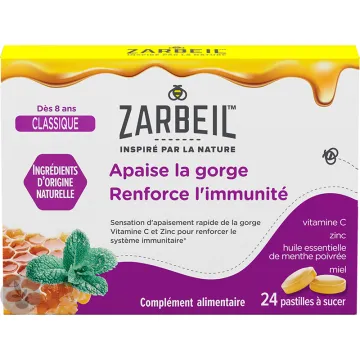
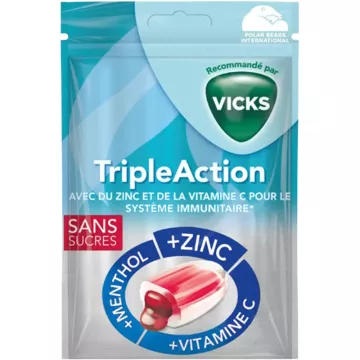
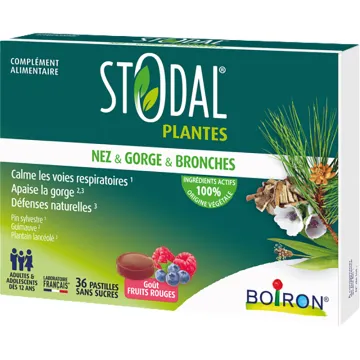
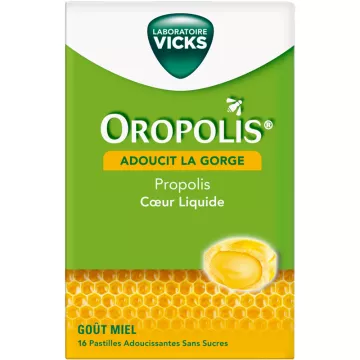
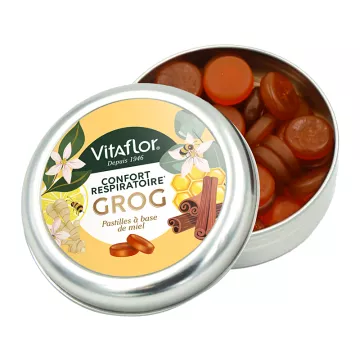
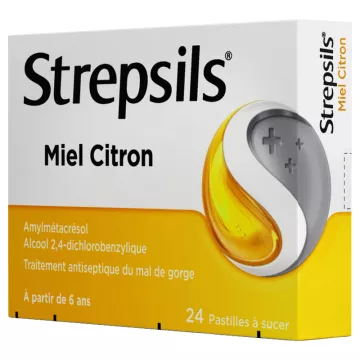
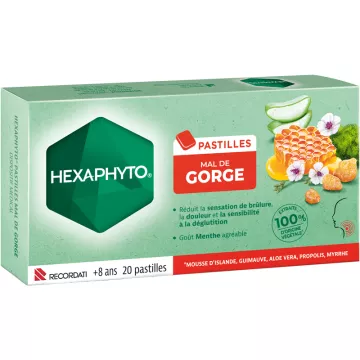
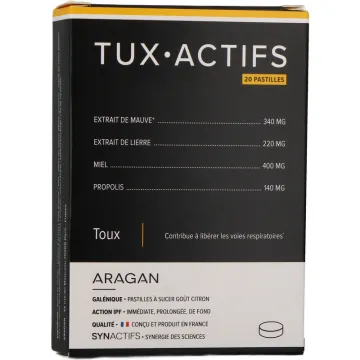
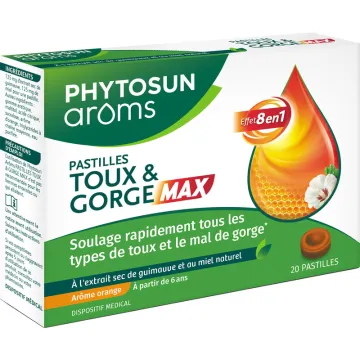
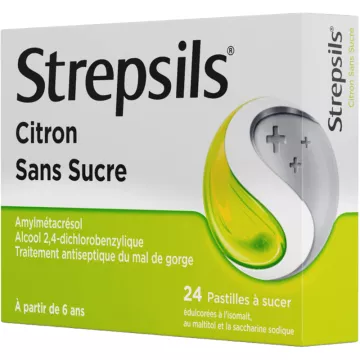
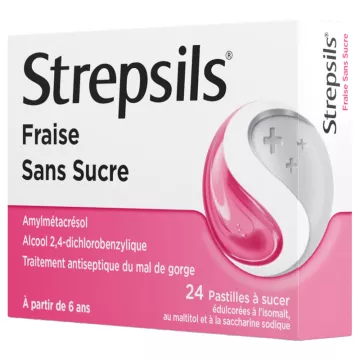
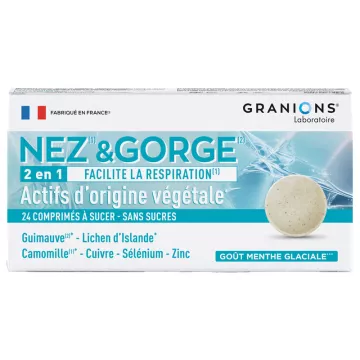
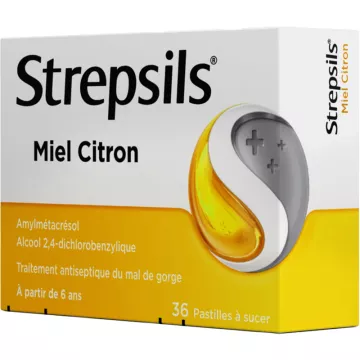
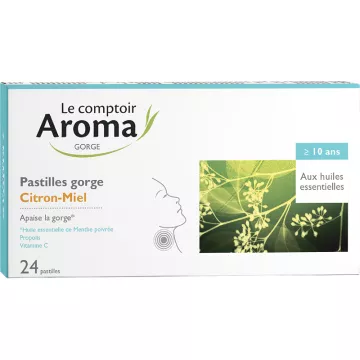
- Lozenge: prolonged release of active ingredients through slow dissolution—maximum contact with the mucous membrane—convenient for on-the-go use—often contain licorice, honey, propolis, menthol, or antiseptic agents (hexetidine, chlorhexidine)
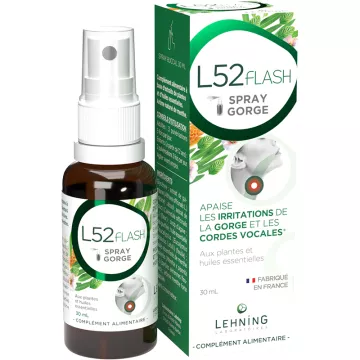
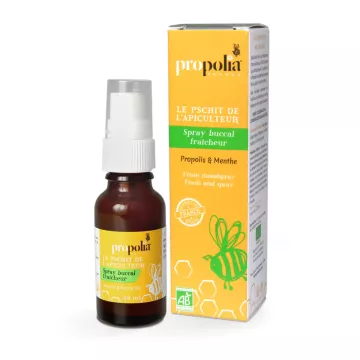
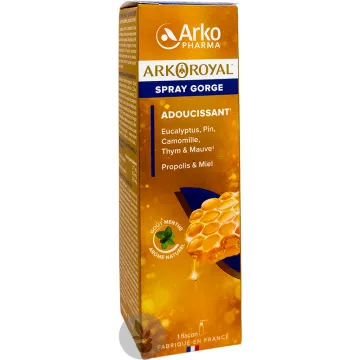
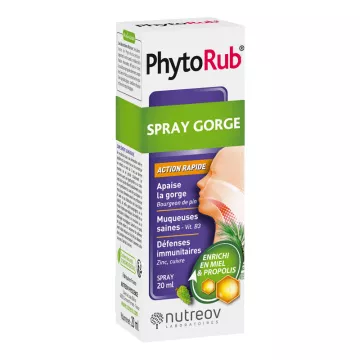
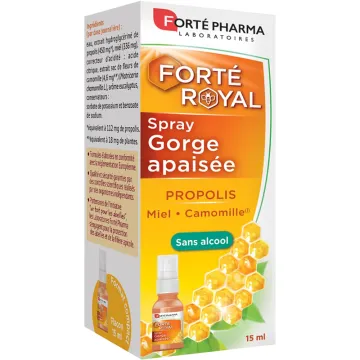
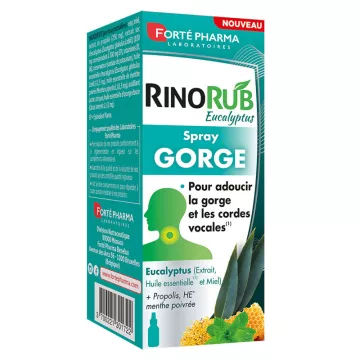
- Mouth sprays: fast-acting and targeted — sprayed directly onto the painful area — see the throat spray section for available formats
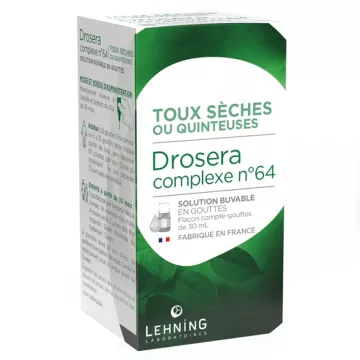
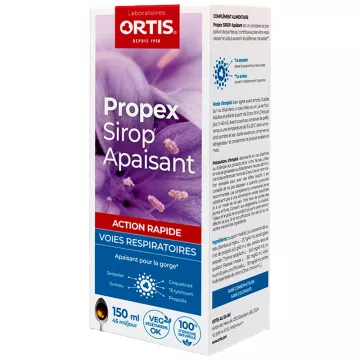
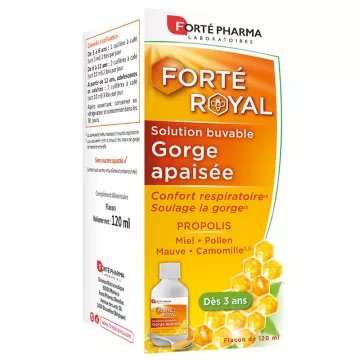
- Syrups and elixirs: gradually coat the mucous membrane as you swallow — herbal-based (thyme, mallow, licorice) or honey — do not dilute in hot water (it degrades the active ingredients) — do not drink for 30 minutes after taking
- Gargles: antiseptic or saline solution kept in contact with the mucous membrane — repeat 2 to 3 times a day — do not swallow
What ingredients should you look for in a throat soother, and how do you choose one?
- Honey: natural film-forming agent, moisturizing, antibacterial (defensins-1, hydrogen peroxide) — effective for mild irritation and dry throats — available as lozenges or syrup — contraindicated for infants under 1 year of age
- Licorice: glycyrrhizin—a powerful emollient and anti-inflammatory for the mucous membranes—one of the best-documented active ingredients for soothing the throat (EMA)—contraindicated in cases of high blood pressure, kidney or liver failure, and for prolonged use > 4 weeks
- Propolis: antibacterial and anti-inflammatory flavonoids—forms a protective film on the mucous membranes—available as a spray or lozenge—contraindicated in individuals with allergies to bee products
- Menthol and eucalyptol: cooling sensation caused by activation of TRPM8 receptors—mild decongestant—combined with antiseptics in many conventional lozenges
- For painful conditions: lidocaine or benzydamine spray (topical analgesic/anti-inflammatory) — rapid relief lasting 1 to 2 hours — use as directed by a doctor or pharmacist — see section on sore throats
- Selection criteria: mild irritation without fever → natural lozenges (honey, licorice, propolis) — moderate pain → antiseptic spray or lozenges with analgesic — pregnancy → consult a doctor or pharmacist before using any soothing remedy (licorice, certain antiseptics—see contraindications) — children under 6 years old → age-appropriate forms (mild syrup) as recommended by a pediatrician
How to use throat soothers effectively and preventatively?
- Curative use: at the first signs of irritation — do not eat or drink for 30 minutes after taking to maintain the active film — repeat every 2 to 3 hours depending on symptoms — supplement with plenty of fluids (1.5 to 2 L of lukewarm liquids per day)
- Preventive use for voice professionals: teachers, singers, actors, endurance athletes—use a lozenge or spray before extended periods of speaking—drink licorice or honey tea in the morning—humidify the air (40–60% humidity)—take regular vocal rest—see remedies to soothe the throat
- General precautions: read the package insert and check the minimum recommended age — throat soothers do not treat the underlying cause — in cases of bacterial strep throat (fever > 38.5°C, whitish patches, swollen lymph nodes), a medical diagnosis and targeted antibiotic treatment are necessary—see a doctor if symptoms persist for more than 5 days despite treatment