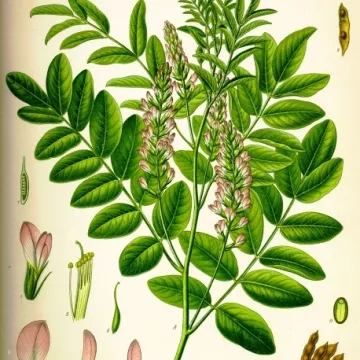
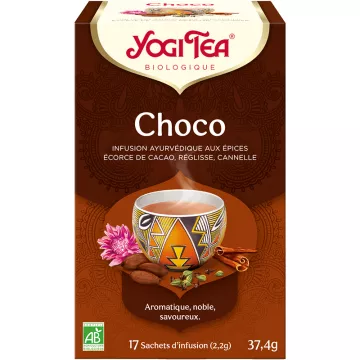
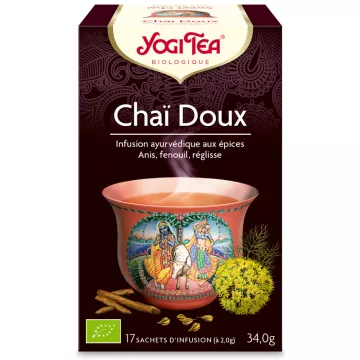
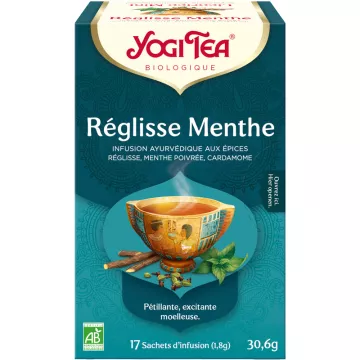
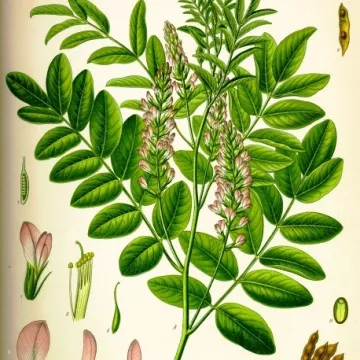
Licorice (Glycyrrhiza glabra) is a perennial plant in the Fabaceae family, native to the Mediterranean basin and Central Asia. Its root contains high concentrations of glycyrrhizin, a molecule 50 times sweeter than sucrose, along with flavonoids (liquiritin, isoliquiritin) and triterpene saponins. Listed in the European Pharmacopoeia, it is one of the oldest documented plants in herbal medicine—but remains one of the most strictly regulated due to the cardiovascular effects of glycyrrhizin.
Its traditional uses recognized by the EMA primarily focus on two areas:
Dosage forms vary depending on the intended use and individual needs:
Licorice stimulates the secretion of protective mucus, increases the lifespan of the stomach’s epithelial cells, and exerts a local soothing effect. This action explains its long-standing role in the natural management of gastric discomfort and mild ulcerative conditions. Any persistent epigastric pain, black vomit, or unexplained weight loss warrants immediate medical attention.
Its soothing flavonoids and saponins explain its effectiveness for sore throats, hoarseness, and irritating coughs. It is traditionally combined with marshmallow in preparations designed to soothe the upper respiratory tract. A feverish, productive, or persistent cough warrants a visit to the doctor.
DGL is a form from which glycyrrhizin has been removed through a technological process. It retains the stomach-soothing flavonoids but eliminates the risk of hypertension and hypokalemia. This is the preferred form for treatments lasting longer than two weeks, for individuals at cardiovascular risk, and for prolonged daily use to support gastric health.
Conventional licorice is regulated by the EFSA: do not exceed 100 mg of glycyrrhizin per day, nor take it continuously for more than 6 weeks without medical advice.
Herbal synergies depend on the targeted condition: