What is bloating, and what causes it?
Bloating refers to painful or uncomfortable abdominal distension caused by excess gas in the digestive tract—the stomach or intestines. It is central to the topic of gas and distension, pointing to specific causes. Our flat stomach and digestive health product line offers solutions tailored to each individual’s needs.
- Immediate epigastric bloating (after the first few bites): swallowed air—aerophagia—see our page on aerophagia (frequent belching, eating too quickly, carbonated beverages)
- Delayed postprandial bloating (1–3 hours after a meal): excessive colonic fermentation—excess FODMAPs, dysbiosis, IBS—colonic distension
- Bloating related to food intolerances: lactose (lactase deficiency), gluten (celiac disease or non-celiac gluten sensitivity), fructose—systemic symptoms after consuming the trigger food
- Meteorism: chronic bloating with visible abdominal distension — gas accumulation in the small intestine — see our simethicone page
- Role of the microbiota: fermentation of unabsorbed carbohydrates by colonic bacteria → production of H2, CO2, methane — imbalanced microbiota (dysbiosis) = excessive fermentation — see our page on intestinal disorders
Which foods should be avoided and which should be prioritized?
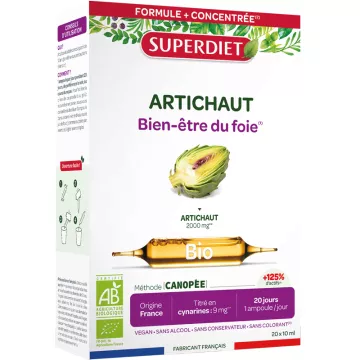
- Highly fermentable foods to limit: legumes (beans, lentils, chickpeas), raw cabbage and broccoli, large amounts of onions and garlic, leeks, Jerusalem artichokes, artichokes—rich in oligosaccharides and FOS that ferment intensely
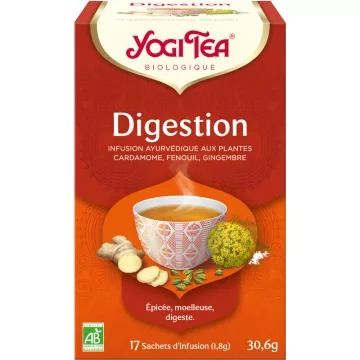
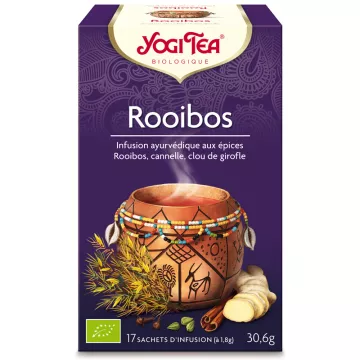
- Carbonated beverages: injected CO₂ → immediate gastric distension — replace with still water, herbal teas, or carminative infusions
- Reduce a sudden increasein fiber intake: increasing fiber intake too quickly (wheat bran, whole grains) worsens bloating—increase by no more than 5 g per week
- Recommended: rice, cooked carrots, zucchini, ripe bananas, fruit compote—low fermentation—generally very well tolerated
- Cook vegetables: Cooking softens cell walls and breaks down fermentable fiber → less gas produced
Natural remedies and medications for bloating
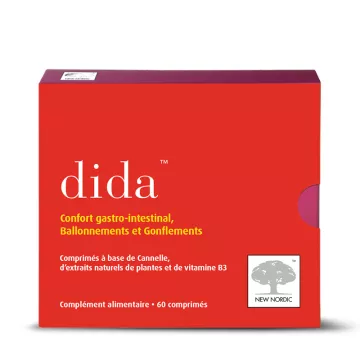
Find these active ingredients in our digestive comfort line.
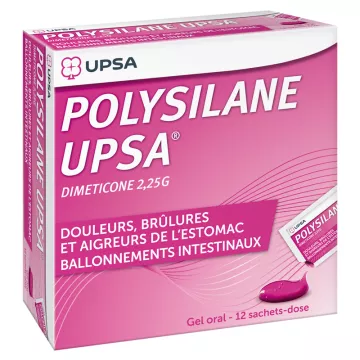
- Simethicone: anti-foaming agent — breaks down gas bubbles → coalescence → easier elimination via the stomach or colon — local action, not absorbed — safe for infants, pregnant women, and seniors — see our simethicone page
- Activated charcoal: adsorbs intestinal gas — provides rapid relief — should be taken separately from any medication (at least 2 hours apart — it also adsorbs active ingredients)
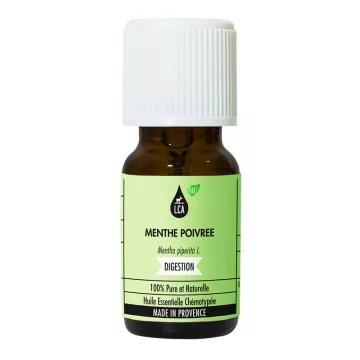
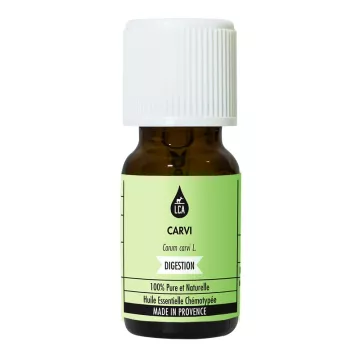
- Carminative herbs: fennel (trans-anethole), green anise, caraway, cardamom, cumin — diluted essential oils or herbal teas — relax the digestive muscles and facilitate the release of gas
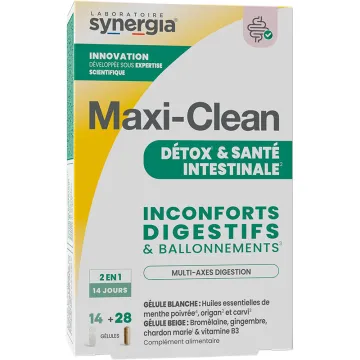
- Peppermint (enteric-coated capsules): intestinal antispasmodic — reduces painful colonic distension — enteric-coated form is required to target the colon
- Probiotics (Bifidobacterium longum, Lactobacillus plantarum): reduce excessive fermentation by rebalancing the microbiota — 6–8-week course of treatment for IBS
Essential oils, posture, and when to seek medical advice
- Sweet fennel essential oil (Foeniculum vulgare dulce): standard carminative—1–2 drops in a spoonful of vegetable oil, massaged in circular motions onto the abdomen—or 1 drop on a sugar cube—well-documented effectiveness for colic and gas
- Ginger essential oil: prokinetic + carminative—abdominal massage with a 3% dilution—stimulates gastric emptying + reduces distal fermentation
- Posture: Slouching compresses the abdomen and slows digestion—stand up straight + take a light walk after meals—yoga: Child’s Pose (Balasana) and seated twists release trapped gas
- Seek medical advice if: bloating + blood in the stool, + unintentional weight loss, + nighttime pain, + sudden change in bowel habits after age 50 — rule out colorectal cancer or IBD — fecal calprotectin test + colonoscopy
- Food elimination trial if intolerance is suspected: eliminate lactose or FODMAPs for 4 weeks, then reintroduce them — hydrogen breath test to confirm lactose or fructose intolerance