What is intestinal transit, and how does it work?
Bowel transit refers to the time it takes for food and stool to pass through the digestive tract—from the stomach to the anus. Balanced bowel transit (1 to 3 stools per day without straining, or at least 3 stools per week) reflects the health of the gut microbiome, intestinal motility, and diet. Our line of probiotic supplements and flat-belly solutions naturally support regular bowel transit.
- Normal bowel transit: 24 to 72 hours from ingestion to elimination—influenced by diet (fiber, hydration), colonic motility (peristaltic contractions), the gut microbiota, and stress
- Slow bowel transit (constipation): < 3 bowel movements per week + hard stools that are difficult to pass — lack of fiber, dehydration, sedentary lifestyle, stress, medications (opioids, anticholinergics) — constipation: comprehensive hub of solutions
- Accelerated bowel transit (diarrhea): > 3 bowel movements/day + liquid or loose stools — infections, food intolerances, IBS-D, IBD, stress — diarrhea: comprehensive resource hub
- Irregular bowel movements (IBS): alternating constipation and diarrhea + pain associated with bowel movements — irritable bowel syndrome: FODMAP diet + probiotics + stress management
- Microbiota and bowel function: gut bacteria ferment fiber → SCFA (butyrate) → fuel for colonocytes + regulation of motility — dysbiosis = disrupted bowel function — intestinal disorders and the role of the microbiota
Supplements and natural active ingredients to support bowel function
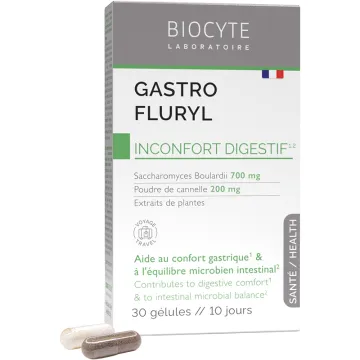
- Probiotics (Lactobacillus acidophilus, Bifidobacterium longum, Saccharomyces boulardii): rebalance the microbiota and normalize motility — Bifidobacterium is effective for constipation — Saccharomyces boulardii for diarrhea — buffered probiotic formulas tailored to bowel function profiles
- Blond psyllium (Plantago ovata): soluble, mucilaginous fiber — forms a gel in the colon → softens stools (constipation) + slows down accelerated bowel movements (diarrhea) — a rare active ingredient with both effects depending on the direction of the imbalance — 3–5 g in a large glass of water twice daily
- Marine magnesium: mild osmotic effect on the colon — draws water into the intestinal lumen → softens stools — 300–400 mg/night — ideal for functional constipation without irritable bowel syndrome
- Inulin and FOS (prebiotics): fermentable fibers that feed Bifidobacterium — improve bowel regularity and stool consistency — increase dosage gradually (temporary bloating)
- Enteric-coated peppermint + ginger: antispasmodics + prokinetics — regulate colonic motility in both directions — supplements of choice for IBS and irregular bowel movements
Diet, hydration, and a bowel-friendly lifestyle
- Fiber 25–30 g/day: the primary factor for regular bowel movements—cooked vegetables, legumes, whole grains, fresh fruit—increase intake gradually by 5 g/week while staying well-hydrated to avoid temporary bloating
- Hydration: 1.5–2 L/day: Water softens stools and accelerates bowel emptying—drink on an empty stomach in the morning (gastrocolic reflex)—lukewarm or hot water is particularly stimulating in the morning
- Fermented foods: yogurt, kefir, sauerkraut, kimchi, miso—provide lactic acid bacteria that diversify the gut microbiota and normalize bowel movements
- Physical exercise 30 min/day: stimulates peristaltic contractions of the colon—brisk walking + yoga (twists, child’s pose)—documented 40% reduction in functional constipation with 30 min of walking/day
- Stress management: Cortisol disrupts colonic motility in both directions (accelerating or slowing it down)—cardiac coherence 3 times a day + meditation + CBT for IBS— improving bowel function: comprehensive strategies
Warning Signs and Medical Consultation
- Seek prompt medical attention: sudden change in bowel habits after age 50 (new-onset constipation or diarrhea) — blood in the stool — unintentional weight loss — nighttime pain severe enough to wake you — fever + persistent diarrhea
- Recommended tests: fecal calprotectin (detects intestinal inflammation) — complete blood count (CBC) + C-reactive protein (CRP) — celiac serology — colonoscopy if over 50 years old or red flags present — H2 breath test if lactose/fructose intolerance is suspected
- Medications affecting bowel motility: opioids (severe constipation → routine osmotic laxatives), NSAIDs (diarrhea or constipation), prolonged PPIs (alter the microbiota), antibiotics (dysbiosis → diarrhea → probiotics starting on Day 1)
- Tobacco and alcohol: tobacco stimulates bowel motility (nicotine’s effect on motility) but destroys the microbiota in the long term — alcohol irritates the mucosa and accelerates bowel motility (morning diarrhea)
- Untreated chronic intestinal disorders: risk of malnutrition + deficiencies (iron, B12, D, zinc) + disruption of the microbiota + cancer risk (IBD, colorectal cancer) — annual medical follow-up if the condition is chronic