What is blood pressure, and how do you measure it correctly?
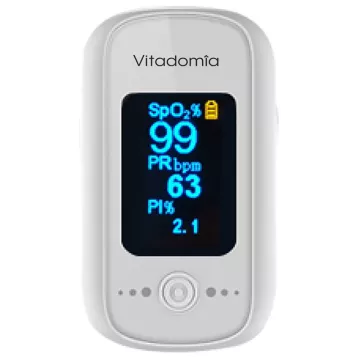
Blood pressure measures the force exerted by blood on the walls of the arteries with each heartbeat. It is expressed as two numbers: systolic pressure (during heart contraction) and diastolic pressure (during relaxation). Monitoring your blood pressure at home is a simple yet essential step, especially if you’re dealing with chronic stress, which directly affects these readings. Explore our blood pressure monitors and anti-stress solutions for a comprehensive approach to your cardiovascular health.
- Reference values: normal < 120/80 mmHg — high blood pressure 120–129 / < 80 mmHg — high blood pressure ≥ 130/80 mmHg (according to the recommendations of the European Society of Cardiology) — low blood pressure < 90/60 mmHg (dizziness, fatigue, fainting)
- How tomeasure correctly at home: rest for 5 minutes before taking a reading in a quiet place — keep your arm at heart level, cuff snugly fitted — do not speak during the measurement — avoid caffeine and tobacco 30 minutes beforehand — take 2 measurements 2 minutes apart and record the average — measure in the morning before taking medication and in the evening before dinner (SELF method)
- White-coat effect and masked hypertension: Some people have higher blood pressure at the doctor’s office than at home (white-coat effect) or the opposite (masked hypertension)—24-hour ambulatory blood pressure monitoring (ABPM) is the diagnostic gold standard
- Recommended monitoring frequency: once a year for healthy individuals—more frequently if there is a family history of hypertension, chronic stress, overweight, or use of oral contraceptives—routinely during every medical visit
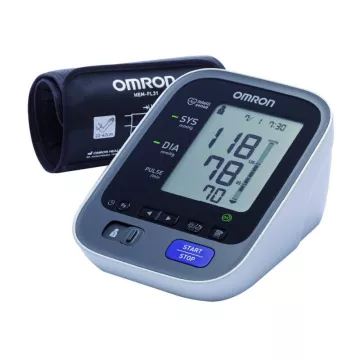
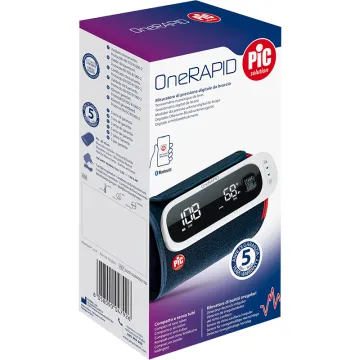
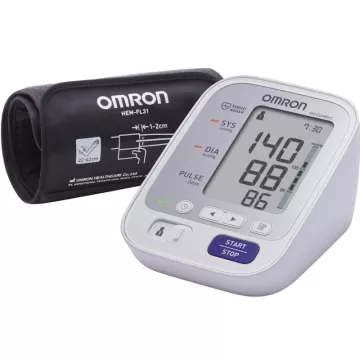
- Upper-arm vs. wrist blood pressure monitors: Upper-arm monitors are more accurate and recommended by professional medical societies—wrist models are convenient but more sensitive to positioning—choose a clinically validated device (ESH-IP or BHS certification)—explore our range of blood pressure monitors
Stress, cortisol, and blood pressure: a direct link
- Stress → blood pressure mechanism: in acute stress situations, the hypothalamus triggers the release of adrenaline and norepinephrine → increased heart rate + vasoconstriction → temporary rise in blood pressure — chronic stress maintains high cortisol levels → sodium retention + vascular stiffness → sustained hypertension
- Cardiac coherence: a breathing technique (5-second inhale / 5-second exhale, 5 minutes, 3 times a day — the 365 method) that activates the parasympathetic nervous system → measurable reduction in blood pressure and cortisol — a simple, free, and scientifically validated tool for managing cardiovascular stress
- Meditation and yoga: regular practice (20–30 minutes/day) reduces systolic blood pressure by an average of 5–8 mmHg according to meta-analyses — effect comparable to certain mild drug monotherapies — particularly beneficial for hypertension related to work-related stress
- Herbal Formulas for Stress and High Blood Pressure: hawthorn (regulates heart rate and supports vascular tone) — valerian + lemon balm (reduce anxiety, which exacerbates blood pressure spikes) — find our formulas in our herbal stress relief and stress and sleep supplement lines
- Sleep and Blood Pressure: Nocturnal hypertension (the absence of a blood pressure drop during sleep— “non-dipper”) is a major cardiovascular risk factor — chronic sleep deprivation increases blood pressure by 5–10 mmHg — treating sleep disorders is an integral part of managing hypertension
Diet, micronutrients, and blood pressure
- DASH Diet (Dietary Approaches to Stop Hypertension): fruits + vegetables + whole grains + low-fat dairy + legumes + nuts — limit salt (< 5 g/day), saturated fats, added sugars, alcohol — reduces systolic blood pressure by 8–14 mmHg within a few weeks — the Mediterranean diet offers comparable benefits
- Magnesium: natural vasodilator — relaxes the smooth muscles of blood vessel walls — magnesium deficiency (very common) is associated with higher blood pressure — supplementation with 300–400 mg/day of magnesium bisglycinate is recommended in cases of chronic stress + borderline blood pressure
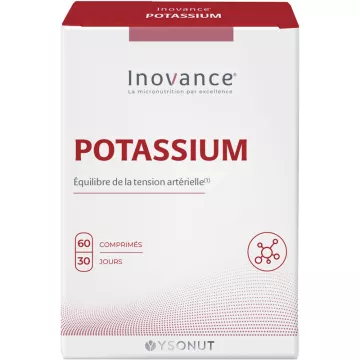
- Potassium: counterbalances sodium’s effect on blood pressure (dietary Na/K ratio is crucial) — sources: bananas, avocados, legumes, potatoes, spinach — target: 3,500 mg/day — the Western diet is often too high in sodium and low in potassium; this imbalance directly contributes to hypertension
- Omega-3: EPA and DHA fatty acids reduce vascular inflammation and improve arterial elasticity — a 2–4 mmHg reduction in blood pressure has been documented at therapeutic doses (2–4 g EPA+DHA/day) — sources: fatty fish (sardines, mackerel, salmon) + omega-3
supplements
- Garlic and coenzyme Q10: Garlic (allicin) has a modest vasodilatory and antiplatelet effect—a reduction of 5–8 mmHg in some 12-week studies—CoQ10 improves cardiac mitochondrial function and slightly lowers blood pressure—to be used as a supplement to medical treatments, never as a substitute
High Blood Pressure: When to Be Concerned and How to Prevent Complications
- High blood pressure: a silent disease: High blood pressure generally causes no symptoms—headaches and dizziness are not reliable signs—only regular monitoring allows for early detection—untreated high blood pressure is the leading risk factor for stroke and coronary heart disease in France
- Complications of untreated high blood pressure: ischemic and hemorrhagic strokes — myocardial infarction — heart failure — chronic kidney disease — retinal damage (hypertensive retinopathy) — vascular dementia
- Hypertensive crisis: blood pressure > 180/120 mmHg with symptoms (severe headache, visual disturbances, chest pain, confusion) → call 15 (SAMU) immediately—do not wait
- Modifiable risk factors: excessive salt intake — sedentary lifestyle — being overweight (each kg lost = approximately –1 mmHg) — smoking — alcohol (> 2 drinks/day for women, > 3 for men) — chronic stress — all these factors can be improved through lifestyle changes
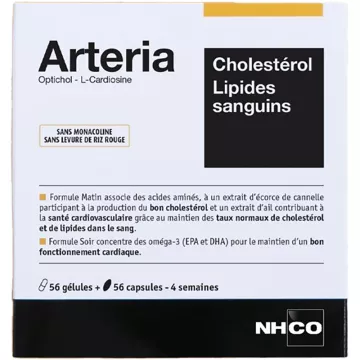
- Supplements to complement medical treatment: natural remedies (magnesium, potassium, omega-3, garlic) can complement medication but never replace it — always inform your doctor about any supplements you’re taking if you’re on antihypertensive or anticoagulant medication — find our cardiovascular formulas in our cholesterol and lipid-cardiovascular disorders line