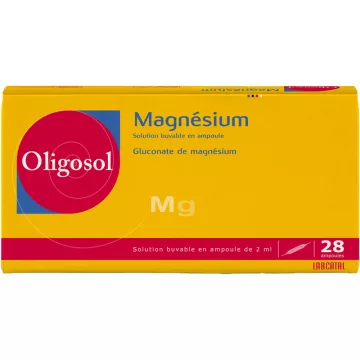
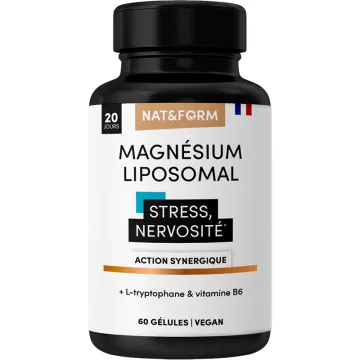
Magnesium is an essential mineral involved in more than 300 enzymatic reactions in the body: cellular energy production (ATP synthesis), muscle contraction and relaxation, nerve impulse transmission, and protein synthesis. It also supports normal nervous system function and helps reduce fatigue, making it one of the most sought-after minerals during times of stress or overexertion. Its role in maintaining nervous system balance makes it a common ally in managing everyday stress.
A magnesium deficiency often manifests through nonspecific symptoms: persistent fatigue, muscle cramps, mild eyelid twitching, irritability, and difficulty falling asleep. Sleep is particularly affected by a magnesium deficiency, as this mineral helps regulate the parasympathetic nervous system, which is involved in relaxation and falling asleep. However, these symptoms remain nonspecific and may have other causes, making a blood test useful if doubts persist.
The best dietary sources of magnesium include nuts (almonds, cashews), legumes, dark chocolate, whole grains, and magnesium-rich mineral waters. Unlike iron, whose absorption varies greatly depending on the source (heme or non-heme), dietary magnesium is generally well absorbed, although the industrial refining of grains significantly reduces its content in the modern diet.
Not all forms of magnesium are equal in terms of digestive tolerance and bioavailability. Magnesium oxide, which is inexpensive, is poorly absorbed and often causes laxative effects at high doses. Magnesium bisglycinate, bound to an amino acid, is better tolerated and absorbed, making it a commonly recommended form for long-term use. Magnesium is also sometimes combined with zinc in certain formulations, as the two minerals share complementary metabolic pathways related to nervous and immune system balance.
The recommended dietary allowances for adults generally range from 300 to 400 mg per day, depending on age and gender, with part of this intake ideally coming from food. As a dietary supplement, a 4- to 8-week course at a moderate dose is usually recommended for fatigue or nervousness, while avoiding excessive intake, which provides no additional benefit beyond actual needs. Magnesium interacts with bone calcium metabolism, which is why a balanced intake of both minerals is recommended rather than excessive supplementation of either one in isolation.
Marine magnesium, extracted from seawater, is a natural source that combines magnesium with other marine trace elements. Its bioavailability is comparable to that of other well-tolerated magnesium salts, but it varies significantly depending on the extraction and purification process used by the manufacturer. This form is particularly appealing to people seeking a clearly identifiable natural source, though this does not in itself guarantee superior absorption compared to well-studied synthetic forms such as bisglycinate.
Magnesium as a dietary supplement is generally well tolerated, with the main side effect being digestive discomfort or a laxative effect at high doses, particularly with forms that have low bioavailability. People with kidney insufficiency must seek medical advice before taking any supplements, as the kidneys are responsible for eliminating excess magnesium: accumulation is possible in cases of impaired kidney function. Magnesium may also reduce the absorption of certain medications (antibiotics in the cycline and quinolone families, bisphosphonates): it is recommended to space out doses by 2 to 3 hours in these situations.