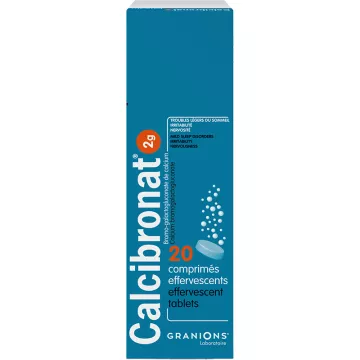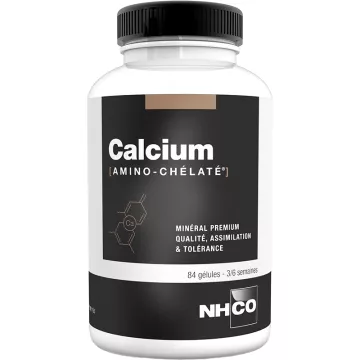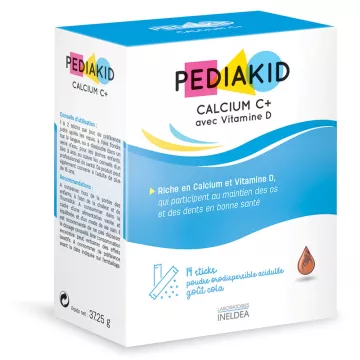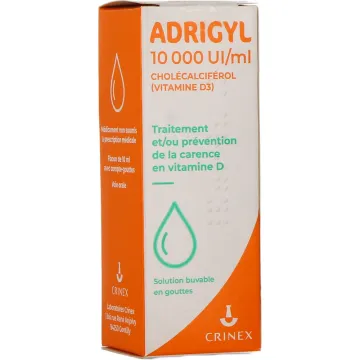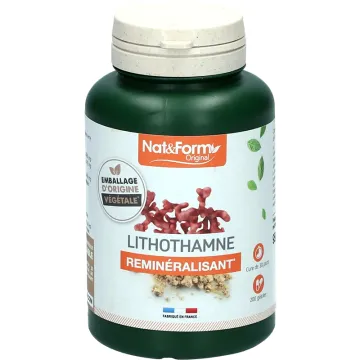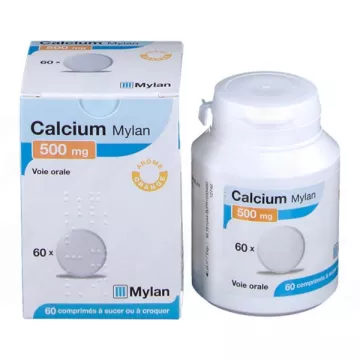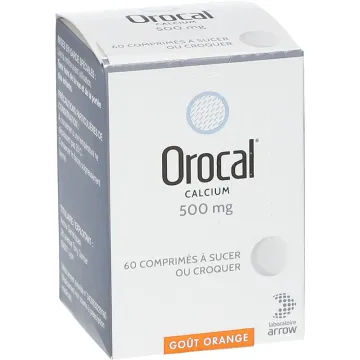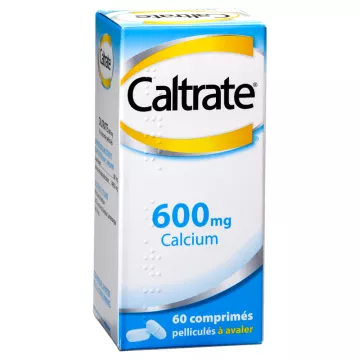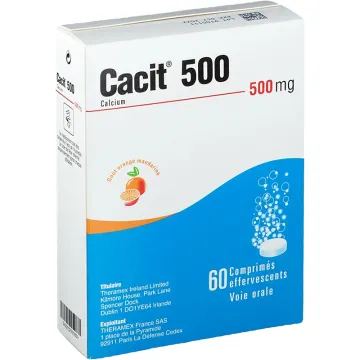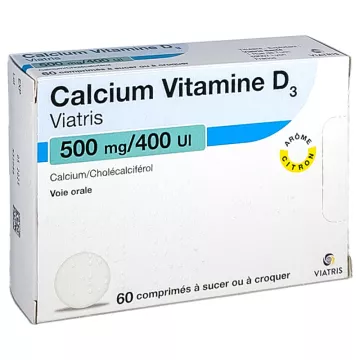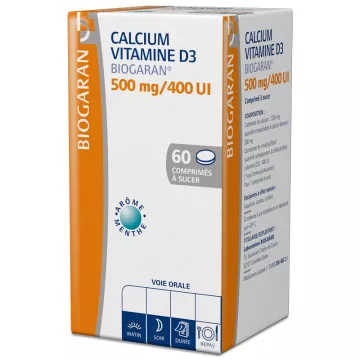
Calcium is the most abundant mineral in the body, with 99% found in bones and teeth, where it provides structure and strength. The remaining 1%, found in the blood and tissues, plays an essential role in muscle contraction, blood clotting, and the transmission of nerve signals. Calcium works in close synergy with magnesium, which regulates, among other things, its entry into and exit from muscle cells; hence the importance of a balanced intake of both minerals rather than supplementation with one in isolation.
Calcium requirements vary significantly throughout life: approximately 1,000 mg per day in adulthood, more during adolescence when bone growth is active, and increased requirements after menopause, when declining estrogen levels accelerate natural bone loss. This increase in needs during menopause warrants particular attention to dietary intake during this stage of life.
Adequate calcium intake throughout life helps maintain normal bone mass and contributes to the prevention ofosteoporosis, but it is only one factor among others: body-weight-bearing physical activity, not smoking, and adequate vitamin D status play an equally crucial role. Calcium supplementation alone, without these other factors, offers only partial protection against bone fragility.
Vitamin D3 is essential for the intestinal absorption of calcium: without sufficient vitamin D, much of the calcium ingested is not absorbed and is simply excreted. This is why dietary supplements very often combine these two nutrients, and why calcium supplementation alone, in a person deficient in vitamin D, provides only limited benefit.
Dairy products remain a concentrated source of calcium, but alternatives exist for people who are lactose intolerant or follow a plant-based diet: leafy green vegetables (kale, spinach), almonds, sesame seeds, and fortified plant-based beverages such as almond milk—provided you check the label for calcium fortification, as this is not always the case.
Excessive calcium supplementation—beyond the recommended intake—has been linked in some studies to an increased cardiovascular risk and promotes the formation of kidney stones in predisposed individuals, particularly when the intake is concentrated in a single dose rather than spread out over the course of the day. It is therefore best to meet your needs primarily through your diet and to reserve supplementation for confirmed deficiencies, under medical supervision.