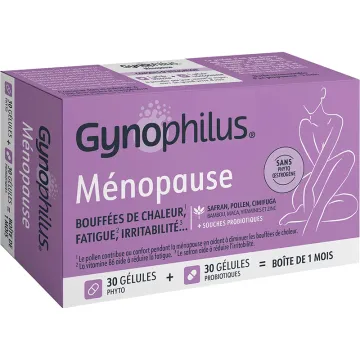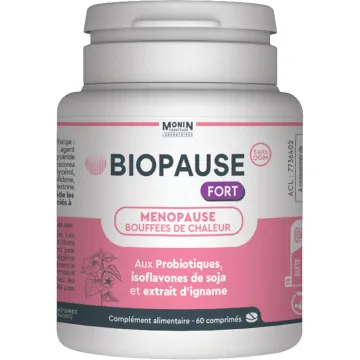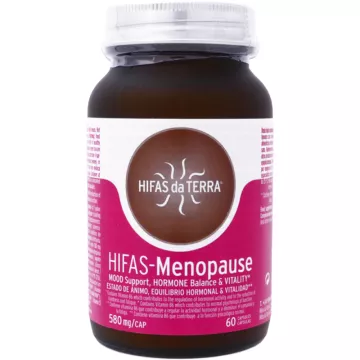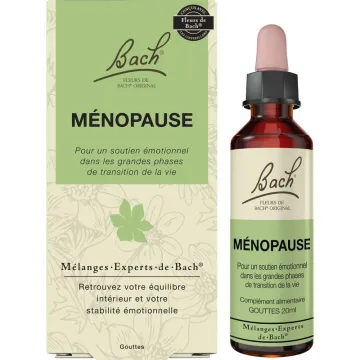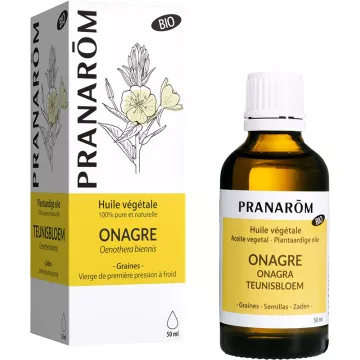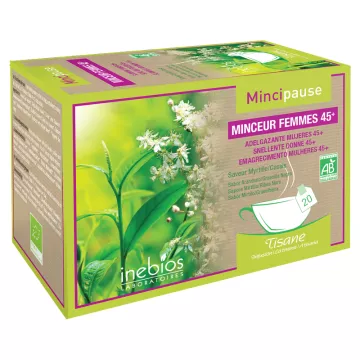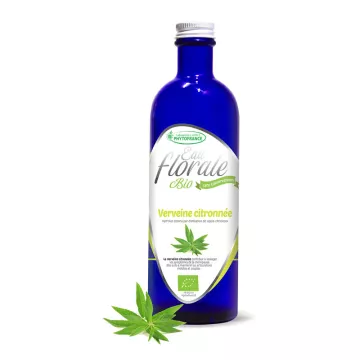






Menopause marks the definitive end of female fertility, confirmed after twelve consecutive months without a period. It generally occurs between the ages of 45 and 55, preceded by perimenopause—a transitional phase during which cycles become irregular and symptoms gradually set in. This natural process results from a decline in estrogen produced by the ovaries and is not a disease, but a physiological stage requiring appropriate medical care.
Hot flashes and night sweats are among the most common symptoms, which can last for several years. Other symptoms include sleep disturbances, mood changes—such as irritability, anxiety, and episodes of depression—as well as vaginal dryness and a decreased sex drive. Every woman experiences menopause differently: some go through this period without major discomfort, while others require active management to maintain their quality of life.
After menopause, the risk of osteoporosis increases due to bone density loss accelerated by falling estrogen levels. Cardiovascular risk also rises, with increases in LDL cholesterol and blood pressure. Regular medical checkups—including lipid profile testing, bone densitometry, and blood pressure monitoring—help detect and prevent these complications before they become permanent.
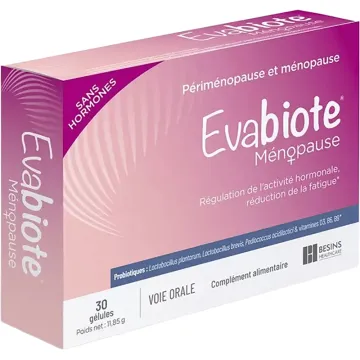
Several natural approaches can help relieve symptoms as a complement to medical treatment. Phytoestrogens—such as soy isoflavones, red clover, and flaxseed—modulate estrogenic activity and may reduce hot flashes. Chasteberry is recognized in herbal medicine for supporting female hormonal balance. Omega-3s and appropriate supplements complement this approach. Medical advice is still essential before taking any supplements.
Hormone replacement therapy (HRT) remains the most effective option for moderate to severe symptoms. It reduces hot flashes, protects bone density, and improves sleep quality. However, it carries risks that must be assessed individually with a doctor based on personal and family medical history—particularly cardiovascular and oncological risks. It is not universally contraindicated.
Hormonal fluctuations can disrupt psychological balance and contribute toanxiety and episodes of depression. Meditation, yoga, and psychological support are effective tools for managing stress and mood swings. In cases of clinical depression, appropriate medication may be necessary—these symptoms should not be downplayed or viewed as an inevitable consequence.
Yes. A diet rich in fruits, vegetables, and lean proteins, and low in refined sugars and saturated fats, helps maintain a stable weight and reduce inflammation. Limiting caffeine and alcohol reduces the frequency of hot flashes and improves sleep quality. Strength-training and cardiovascular exercises—such as brisk walking, swimming, and yoga—simultaneously support bone health, heart health, and mood.
Calcium and vitamin D3 are the best-documented supplements for maintaining bone density after menopause, according to recommendations from the HAS. Other micronutrients—magnesium, B vitamins—can support the nervous system and improve sleep. Any supplement should be discussed with a healthcare professional to ensure it is appropriate for the individual’s needs and to avoid drug interactions.