What is anxiety, and what are its biological mechanisms?
Anxiety is an emotional and physiological response to a perceived threat—whether real or imagined—that activates the sympathetic nervous system to prepare the body to react. It becomes pathological when it is excessive, disproportionate, or persistent to the point of impairing quality of life. Anxiety affects 15–20% of French people and is the most common mental health disorder, one that is often underdiagnosed. For occasional anxiety spikes and immediate coping techniques, visit our page on anxiety. Discover our anti-stress formulas, our stress and sleep supplements, and our serenity and well-being product lines.
- The Amygdala and the Fear Response: The amygdala detects threats and triggers the stress response within milliseconds—release of adrenaline and norepinephrine (immediate), followed by cortisol (delayed)—tachycardia + hyperventilation + muscle tension + hypervigilance—in pathological anxiety, the amygdala is hyperreactive and generates repeated false alarms
- GABA and glutamate: the balance between GABA (inhibitory, calming) and glutamate (excitatory, alerting) determines the “baseline level” of anxiety— magnesium potentiates GABA and blocks NMDA (glutamate receptor)—a magnesium deficiency = a more reactive amygdala + less GABA inhibition = more intense anxiety
- Serotonin and anxiety: serotonin modulates the fear response—low levels → overactive amygdala + chronic anxiety—SSRIs (anxiolytic medications) increase synaptic serotonin—naturally: tryptophan (diet) + vitamin B6 + magnesium → serotonin
- Gut-brain axis: the microbiota produces 90% of the body’s serotonin — dysbiosis → disrupted serotonin → worsened anxiety — psychobiotics (Lactobacillus helveticus + Bifidobacterium longum) have shown anxiolytic effects in clinical trials
- Triggering and aggravating factors: genetic predisposition (heritability 30–40%) — stressful life events (trauma, grief, separation) — nutritional deficiencies (magnesium, B12, D3, iron, omega-3) — lack of sleep — caffeine and alcohol — untreated hypothyroidism
The Different Types of Anxiety Disorders
- Generalized Anxiety Disorder (GAD): excessive and uncontrollable worry about multiple areas of life (health, work, family) for ≥ 6 months — symptoms: muscle tension + fatigue + difficulty concentrating + irritability + sleep disturbances — affects 6% of the population — standard treatment: CBT + SSRIs if severe
- Panic Disorder: recurrent and unexpected panic attacks (sudden intense fear + physical symptoms: tachycardia, shortness of breath, chest pain, feeling of impending death) + anticipatory fear of another attack — important differential diagnosis with cardiac conditions (medical evaluation essential)
- Social phobia (SAS): intense and persistent fear of being judged, humiliated, or embarrassed in social situations — avoidance of social situations → progressive isolation — CBT with gradual exposure = most effective treatment
- Specific phobias: uncontrollable and disproportionate fear of a specific object or situation (spiders, heights, flying, blood, injections) — exposure therapy = first-line treatment — often resolves within a few sessions
- OCD and PTSD: classified within the anxiety spectrum — OCD (obsessive thoughts + repetitive compulsive behaviors) — PTSD (traumatic flashbacks + avoidance + hypervigilance following a traumatic event) — see our page on behavioral disorders
Natural Solutions to Support Anxiety Management
- Magnesium bisglycinate: the best-documented natural anxiolytic supplement — potentiates GABA + blocks NMDA (excitation) + regulates cortisol — 70% of the population is deficient — 300–400 mg/night — several controlled studies show a significant reduction in mild to moderate anxiety within 4–8 weeks
- Omega-3 EPA: reduces neuroinflammation and amygdala reactivity — positive meta-analyses on mild to moderate anxiety — 1–2 g EPA/day — combine with magnesium for a synergistic effect
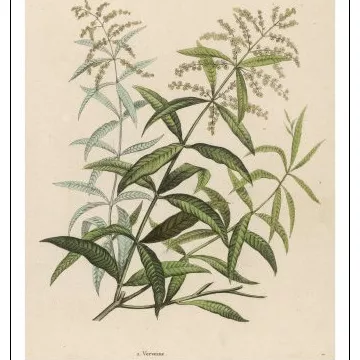
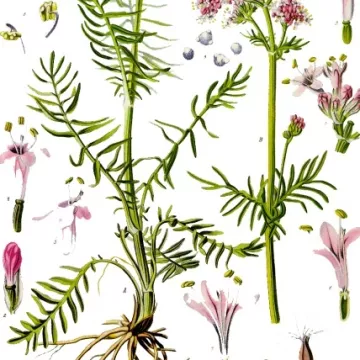
- Valerian + passionflower + lemon balm: a herbal trio for mild anxiety — valerian (GABA-A, mild anxiety + sleep) — passionflower (potassium channels, rumination, general restlessness) — lemon balm (GABA transaminase, digestive nervous spasms) — in capsules or herbal teas 30 minutes before an anxiety-inducing situation or in the evening — explore our homeopathic ranges for stress and fatigue and homeopathic remedies for stress
- Vitamin D3: receptors in the amygdala and prefrontal circuits — deficiency → increased emotional reactivity — 1,000–2,000 IU/day from October to March
- L-theanine: an amino acid found in green tea — increases alpha waves (wakeful relaxation) and modulates GABA — 100–200 mg for daytime anxiety without drowsiness — combined with magnesium in anti-stress formulas
Medical treatments, CBT, and available resources
- Cognitive-Behavioral Therapy (CBT): HAS-recommended standard of care for all anxiety disorders — identifies automatic catastrophic thoughts → cognitive restructuring → gradual exposure to avoided situations — MonPsy: partial reimbursement for up to 8 sessions per year — efficacy superior to or equivalent to medication for mild to moderate cases
- Anxiolytic medications: SSRIs (sertraline, escitalopram) = first-line pharmacological treatment for GAD and panic disorders — onset of action 2–4 weeks — benzodiazepines (alprazolam, lorazepam) = for emergency use only (risk of dependence) — never used as first-line treatment for GAD — prescription required
- Mindfulness meditation (MBSR): reduces amygdala activation after 8 weeks — MBSR program (8 weeks, 2.5 hours/week + daily practice) — improves resilience to anxiety triggers — cardiac coherence (365, 3 times/day) as a daily baseline practice
- When to seek help: persistent anxiety lasting ≥ 4–6 weeks — avoidance affecting social or professional life — recurrent panic attacks — suicidal thoughts → call 3114 immediately — primary care physician as the first point of contact + referral to a psychiatrist or psychologist depending on severity
- Resources: HAS (has-sante.fr — 2007 guidelines for anxiety disorders, currently being updated) — Association France Dépression: 0800 19 00 00 — Psycom (psycom.org — mental health guide) — MonPsy (monpsy.sante.gouv.fr) — nervous breakdown if anxiety and depression coexist