What is anxiety, and how does it manifest itself?
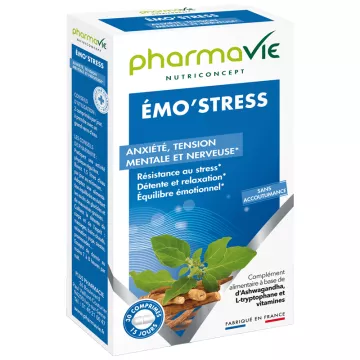
An anxiety episode is an emotional and physiological response to a perceived threat—whether real or imagined—characterized by activation of the sympathetic nervous system (“fight or flight”). Unlike chronic anxiety (generalized anxiety disorder), occasional anxiety episodes can affect anyone and are often linked to specific situations (exams, doctor’s appointments, relationship conflicts). They become problematic when they are frequent, intense, or disproportionate. For chronic anxiety, see our page on anxiety—natural solutions. Check out our anti-stress formulas and our stress and sleep supplements to better manage your anxiety spikes.
- Typical physical symptoms: rapid heartbeat (tachycardia) — chest tightness or pressure — rapid, shallow breathing (hyperventilation)—muscle tension (jaws, shoulders, neck)—cold sweats—sweaty palms—dizziness—nausea
- Cognitive symptoms: intrusive thoughts and catastrophic scenarios — difficulty concentrating (“blank mind” or, conversely, “overloaded mind”) — feeling that danger is imminent — repetitive ruminations
- Behavioral symptoms: avoidance of anxiety-provoking situations (which reinforces anxiety in the long term) — agitation or, conversely, inhibition — seeking reassurance — hypervigilance
- Physiological mechanism: trigger → activation of the amygdala → release of adrenaline and cortisol → mobilization of emergency resources → tachycardia, dilated pupils, cessation of digestion, muscle hypertonicity — normal and useful in the event of real danger, dysfunctional if triggered repeatedly without a real threat
- When to seek help: if anxiety episodes are frequent (several times a week), if avoidance affects social or professional life, if quality of life is significantly impaired — primary care physician or psychologist (MonPsy, partially reimbursed since 2022) — for associated neurasthenia, see also our dedicated page
Immediate techniques to stop an anxiety spike
- Cardiac coherence (365 method): 5 minutes — 6 breaths per minute — 3 times a day — inhale for 5 seconds, exhale for 5 seconds — activates the vagus nerve and the parasympathetic nervous system — reduces cortisol by 20–30% in a few minutes — measurable effect on heart rate variability — the most well-documented and accessible emergency technique
- 4-7-8 Breathing: inhale through the nose for 4 seconds — hold for 7 seconds — exhale through the mouth for 8 seconds — 4 consecutive cycles — powerfully stimulates the parasympathetic nervous system — particularly effective during nighttime anxiety spikes or before a feared situation
- 5-4-3-2-1 Grounding Technique: Name 5 things you see, 4 you hear, 3 you touch, 2 you smell, 1 thing you taste—shifts you out of ruminative mode and grounds you in the present moment—particularly effective during mild panic attacks
- Cold on the face or wrists: Exposure to cold activates the diving reflex (diving reflex) → parasympathetic bradycardia → rapid reduction in heart rate — run your wrists under cold water for 30–60 seconds or apply ice cubes to your face — effective for spikes in anxiety-induced tachycardia
- Gentle physical movement: a brisk 10–15-minute walk burns off the adrenaline released by the stress response → reduction in physical tension — yoga, stretching, or tai chi for underlying anxiety — avoid forced inactivity, which exacerbates tension
Complementary natural approaches to reduce anxiety
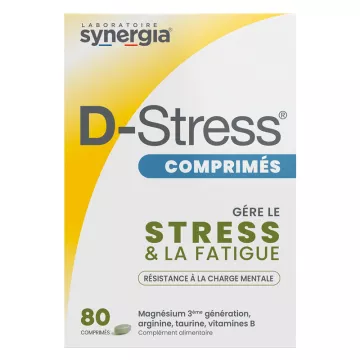
- Magnesium: Magnesium deficiency is one of the most common nutritional causes of nervous hyperexcitability—deficiency → amygdala becomes more reactive to anxiety-inducing stimuli—magnesium bisglycinate 300–400 mg/night — measurable results for mild anxiety within 2–4 weeks in controlled studies
- Omega-3 EPA: reduces neuroinflammation and amygdala reactivity — positive meta-analyses for mild to moderate anxiety — 1–2 g of EPA per day — sardines, mackerel, and salmon 2–3 times per week
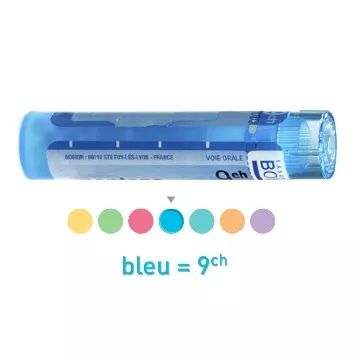
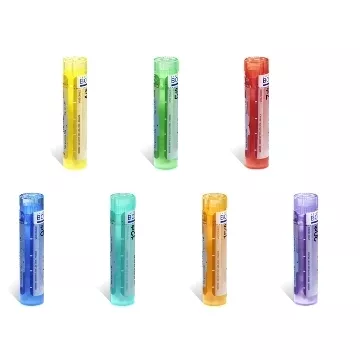
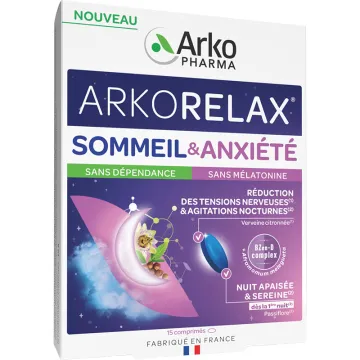
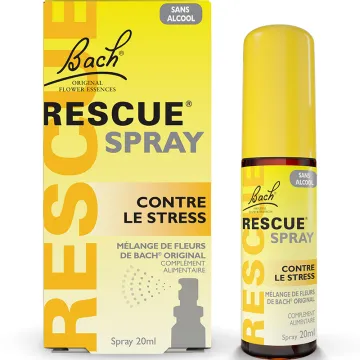
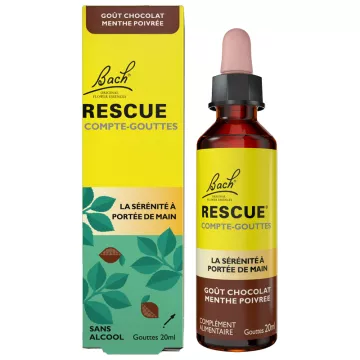
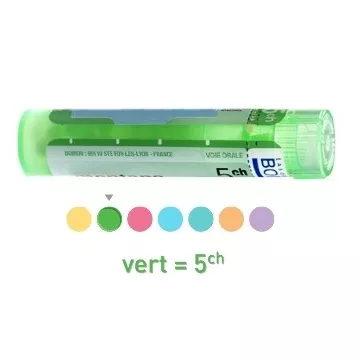
- Valerian, lemon balm, and passionflower: a herbal trio for mild anxiety — valerian (GABA-A, anxiety + sleep) — lemon balm (stress-related digestive spasms, nervousness) — passionflower (ruminations, diffuse anxiety) — take 30–60 minutes before the anxiety-inducing situation or in the evening — check out our homeopathic formulas for stress and fatigue and homeopathic remedies for stress
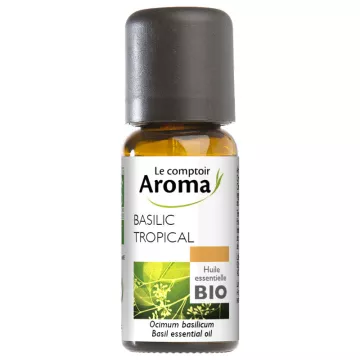
- True lavender essential oil: a few drops on the wrists or in a diffuser — documented anxiolytic effect when inhaled — Silexan 80 mg/day taken orally (pharmaceutical form) in studies on mild generalized anxiety — combined with cardiac coherence for a synergistic effect
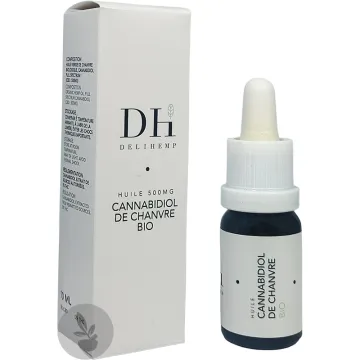
- CBD (cannabidiol): studies suggest that CBD has an anxiolytic effect via endocannabinoid receptors — full-spectrum or isolate preferred — product quality varies widely on the market — always inform your doctor (possible drug interactions with CYP450 enzymes) — not covered by insurance, for adult use only
CBT, time management, and anti-anxiety lifestyle strategies
- Cognitive Behavioral Therapy (CBT): the gold standard treatment for anxiety disorders according to the HAS — identifies and restructures automatic catastrophic thoughts — the “downward arrow” technique (identifying the ultimate fear behind the anxiety-inducing scenario) — gradual exposure to avoided situations — covered as part of psychiatric care — MonPsy: partial reimbursement for up to 8 sessions per year
- Mindfulness meditation: reduces amygdala reactivity after 8 weeks of regular practice — observing anxious thoughts without fighting or amplifying them — guided apps available (Headspace, Petit Bambou, Cohérence+) — 10–20 minutes daily is sufficient for a measurable neurological effect
- Time Management and Mental Load: Identify time-wasting “mind-numbing thoughts” — Prioritize tasks by urgency and importance (Eisenhower Matrix) — Limit non-essential decisions (decision fatigue → anxiety) — Mandatory regular breaks (Pomodoro technique: 25 min work + 5 min break) — Turn off notifications outside of work hours
- Sleep and anxiety: sleep deprivation increases amygdala reactivity by 60% according to fMRI studies — set a consistent bedtime and wake-up time — no screens 1 hour before bed — cool, dark, and quiet bedroom — if insomnia is anxiety-related: melatonin + valerian + cardiac coherence at bedtime
- Anti-anxiety diet: limit caffeine (half-life 5–7 hours; keeps you alert and increases stress reactivity) — limit alcohol (immediate relief + rebound anxiety the next day) — increase tryptophan (serotonin precursor: turkey, eggs, bananas, pumpkin seeds) — prioritize fermented foods (microbiota-serotonin 90%)