Hypericum Perforatum in Homeopathy: Properties and Therapeutic Applications
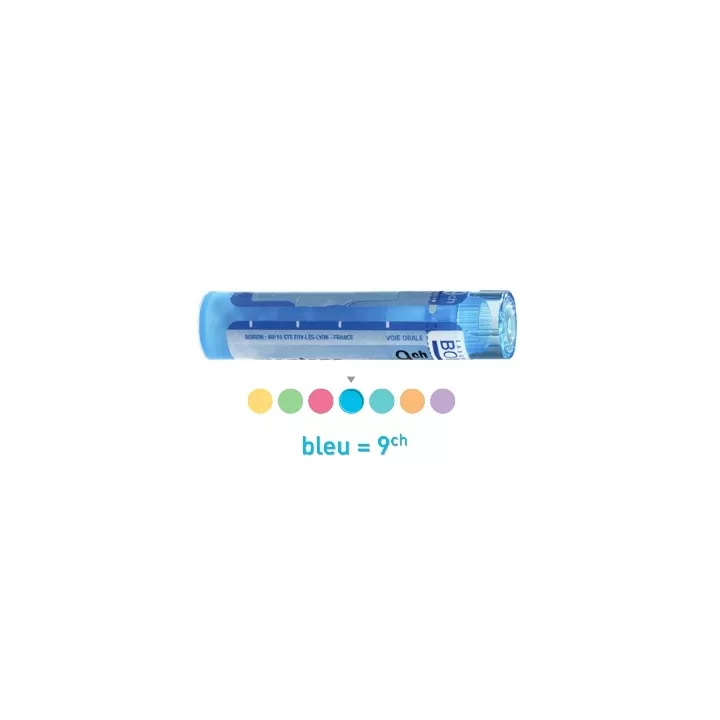
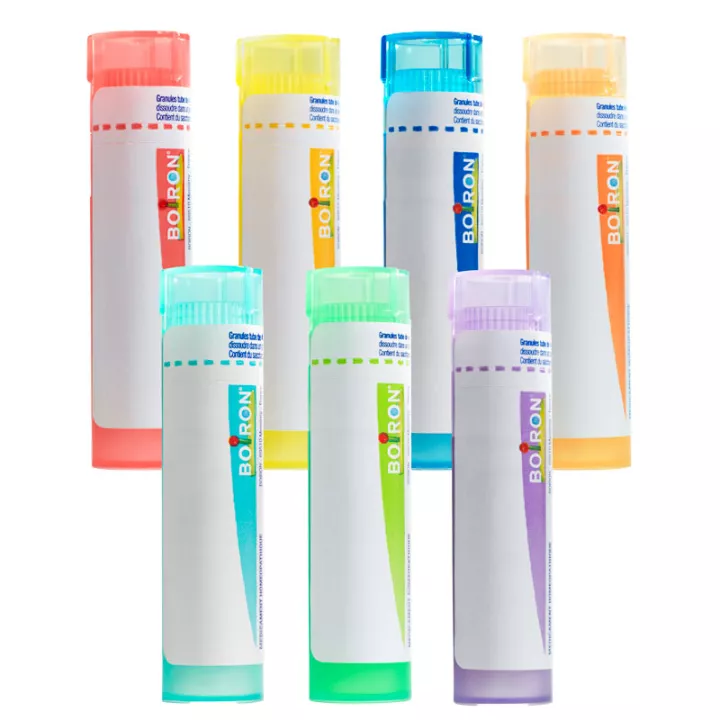
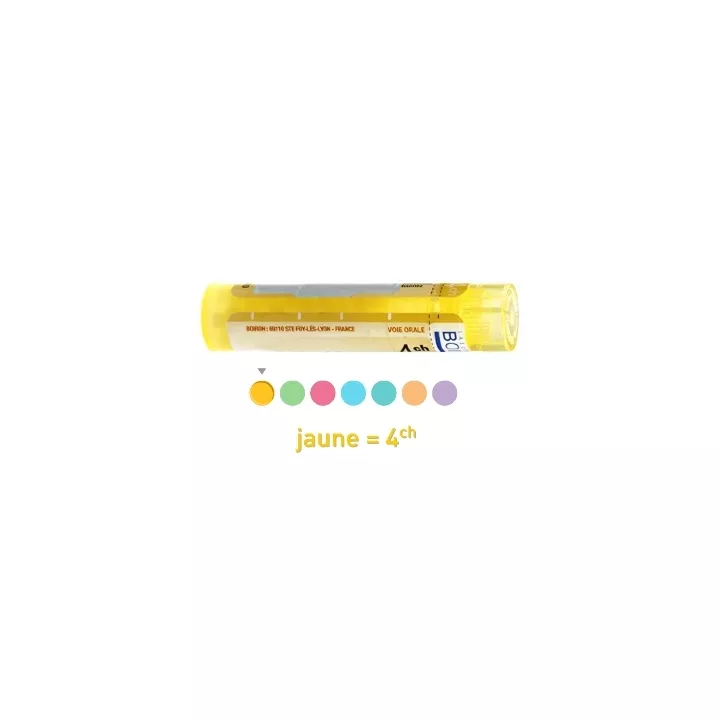
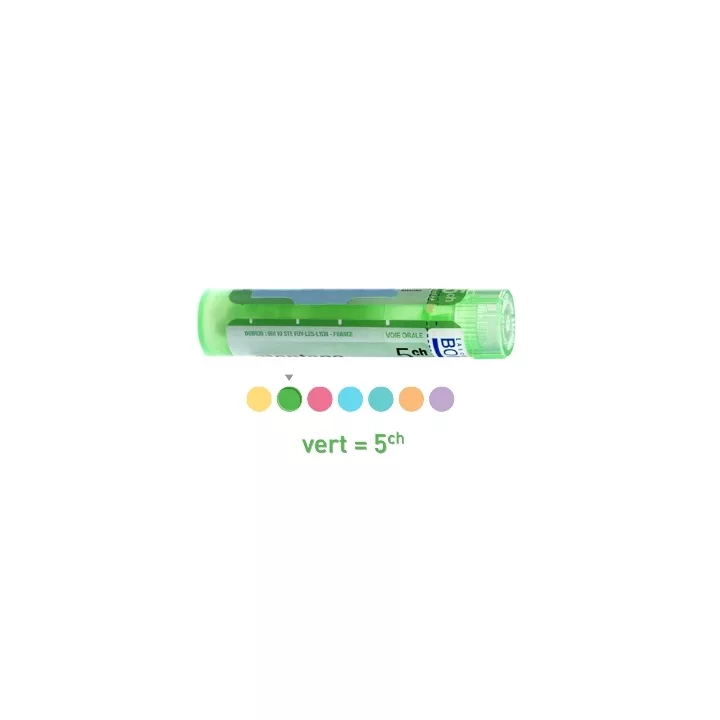
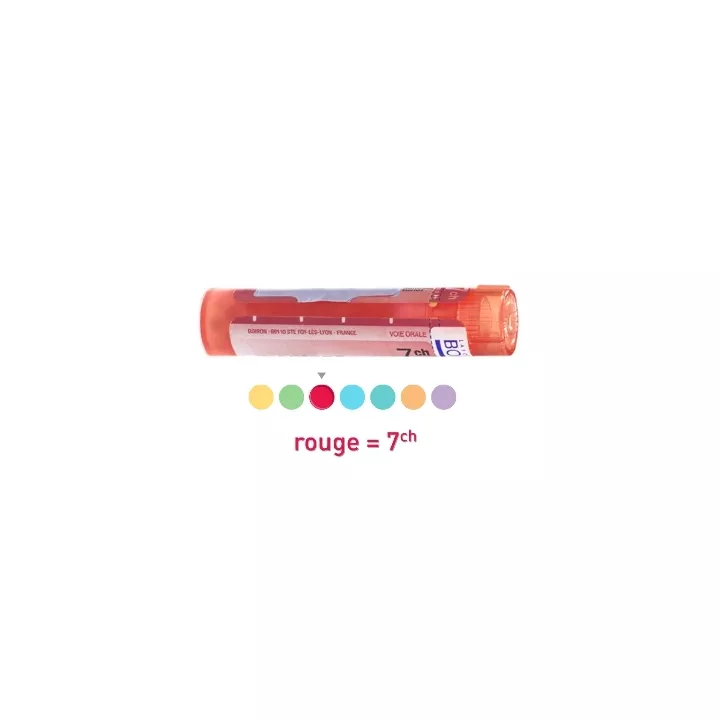
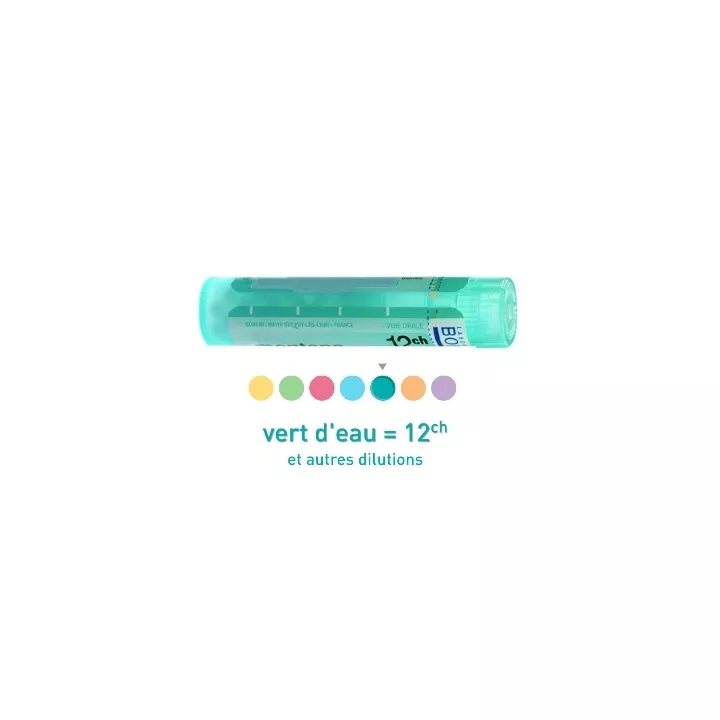
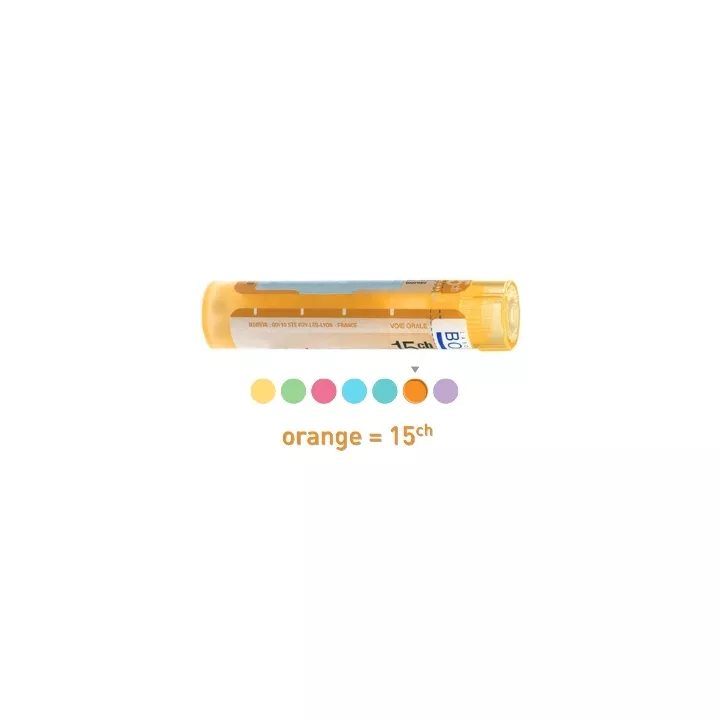
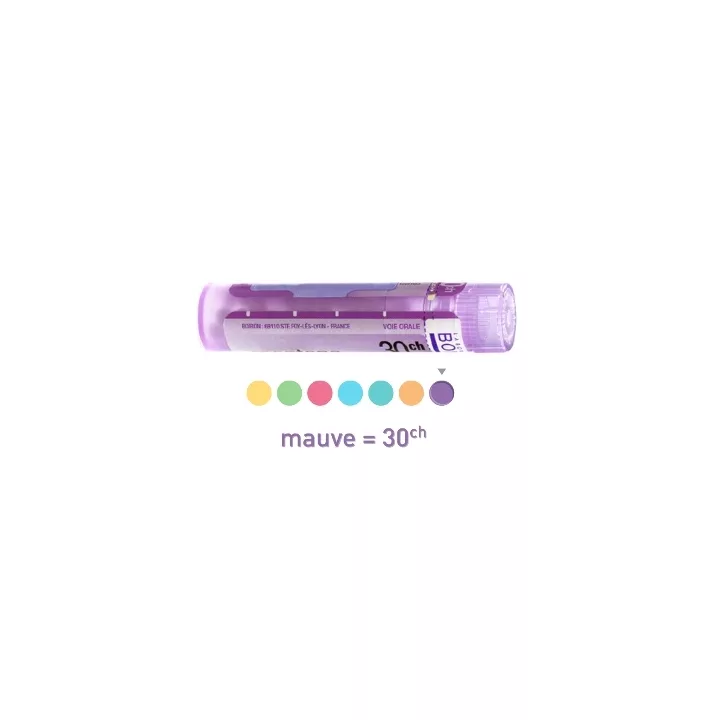
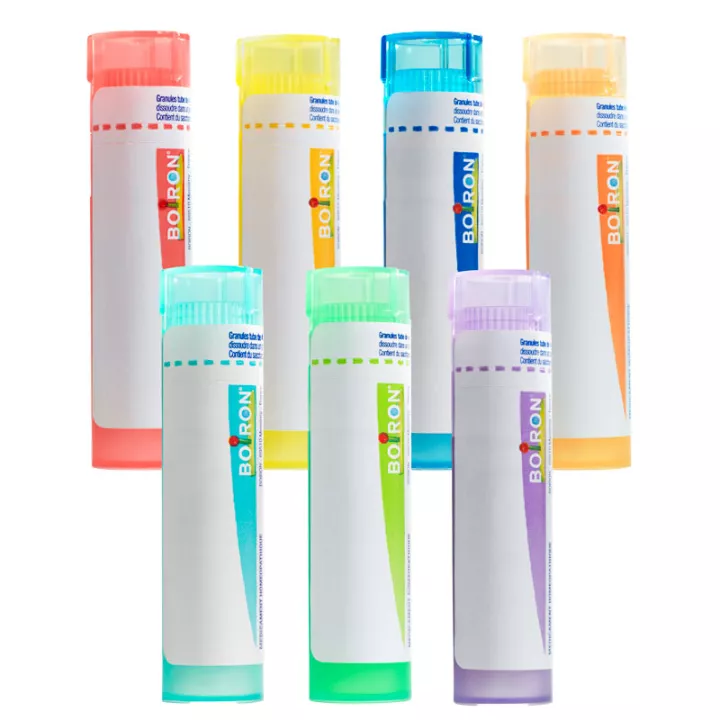
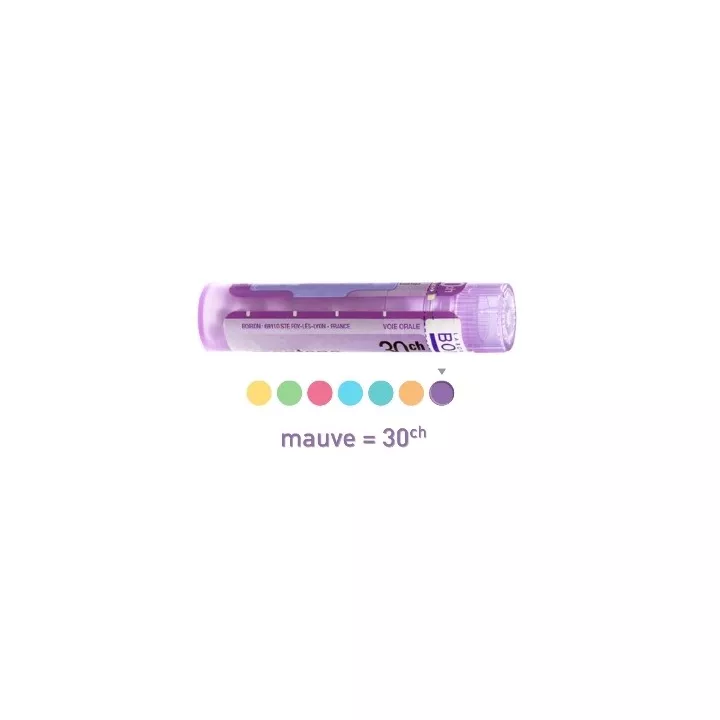
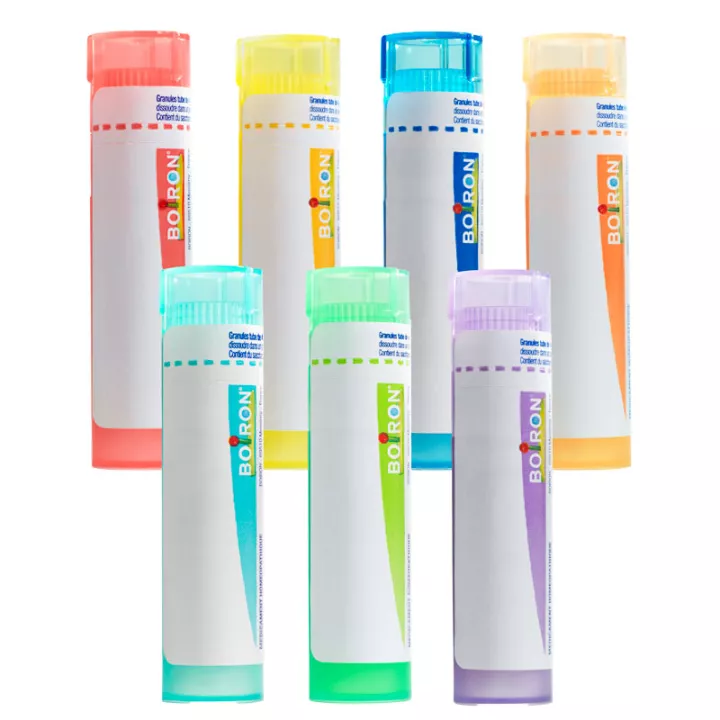
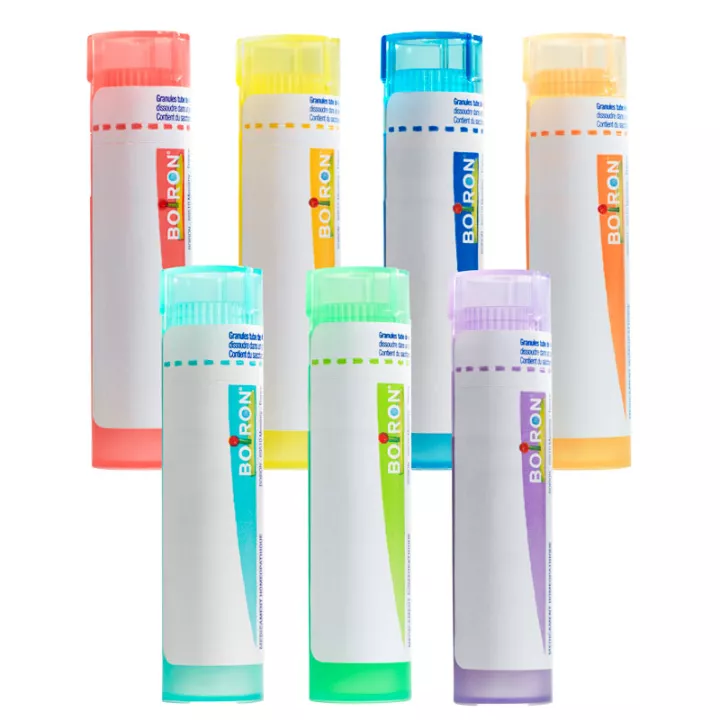
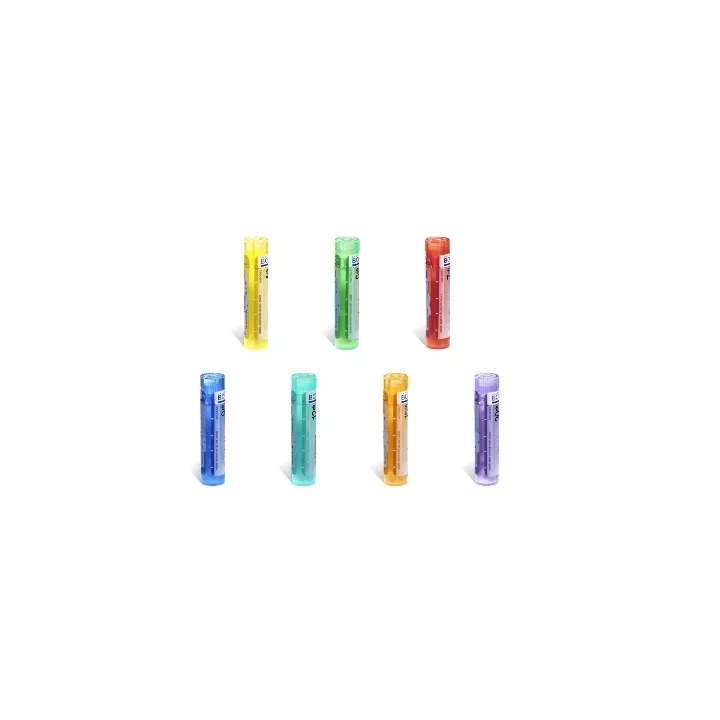
Hypericum Perforatum 4CH, 5CH, 7CH, 9CH, 12CH, 15CH, 30CH homeopathic granules by Boiron
Registered Medication: EH00445
Origin: Plant-based
Available in Korsakovian dilutions of 200K, 1,000K, 10,000K
St. John’s Wort, scientifically known asHypericum Perforatum, is celebrated for its exceptional properties in homeopathy. This remedy is used to treat a wide range of conditions, including neurological, dermatological, and traumatological disorders.
Properties and Therapeutic Applications
- Neurology: Hypericum perforatum is frequently prescribed for its beneficial effects on neurotransmitters. It is particularly effective in treating depressive disorders, mood swings, and melancholy. Its ability to positively influence the nervous system also makes it an appropriate treatment for anxiety, dizziness, and various sleep disorders.
- Traumatology: In the field of trauma, this remedy is recommended for relieving coccyx pain (coccydynia) and for its effects following impacts, falls, or injuries, especially when they affect areas rich in nerve endings.
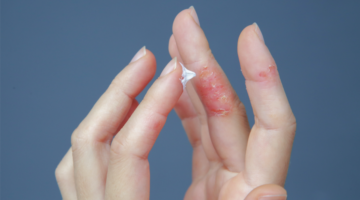
- Dermatology: In dermatology, Hypericum Perforatum exhibits notable healing properties. It is recommended for the treatment of conditions such as photosensitivity, photodermatosis, and viral skin infections like shingles. It also helps manage the symptoms of leukitis.
What are the indications for Hypericum Perforatum in homeopathy?
Homeopathic remedies can be used for a variety of symptoms, so it is not possible to determine the specific indications and dosage for a particular preparation.
The homeopathic physician selects the appropriate remedy, dilution, and dosage based on the patient’s health condition and characteristic symptoms.
Hypericum Perforatum, available in homeopathic granules from Boiron in dilutions ranging from 4CH to 30CH, is a homeopathic remedy frequently used in the fields of neurology, traumatology, and dermatology.
Hypericum Perforatum: The Miracle Plant for Homeopathic Treatments
Hypericum Perforatum is a herbaceous plant also known as “St. John’s wort.” It is used in various homeopathic treatments, particularly for treating depression. But did you know that this plant also has numerous benefits for treating neurological, dermatological, and traumatological conditions?
The Many Properties of Hypericum Perforatum
Hypericum Perforatum is a plant with multiple properties. It is prepared from the herb “St. John’s wort,” known since the Middle Ages for its magical powers, believed to ward off evil spirits and possess miraculous properties. Today, thanks to extensive scientific research, Hypericum perforatum has become an essential ingredient in homeopathic treatments.
Treating Neurological Conditions with Hypericum Perforatum
Hypericum perforatum is a natural antidepressant recommended for the treatment of neurological disorders such as low mood, depression, mood swings, and melancholy. Unlike chemical antidepressants, which act solely by regulating serotonin, Hypericum perforatum affects several neurotransmitters, such as norepinephrine, gamma-aminobutyric acid, and dopamine. This makes it a remarkable antidepressant.
Treating Traumatic Conditions with Hypericum Perforatum
Hypericum Perforatum is also effective in treating trauma-related conditions. In fact, it can treat anxiety, dizziness, sleep disturbances, and headaches that occur after a head injury. It can also treat nerve pain caused by trauma such as crush injuries to the extremities, cuts from sharp objects, tooth extractions, bites, stings, scar pain, and limb amputation.
Treatments for Dermatological Conditions with Hypericum Perforatum
Hypericum Perforatum is also recommended for the treatment of certain skin conditions such as photosensitivity, photodermatosis, shingles, herpes, and leukoderma. It can also relieve pain resulting from skin rashes thanks to its antiseptic and healing properties, which are effective in treating burns and superficial wounds.
Directions for Use
It is recommended that you do not touch the homeopathic granules with your fingers. Use a mint-free toothpaste (such as Boiron’s Homéodent, a toothpaste compatible with taking homeopathic granules).
Thanks to its many properties, Hypericum Perforatum stands out as a leading homeopathic remedy, capable of addressing a wide range of conditions. Whether for its neurological or dermatological effects or for its ability to promote healing after trauma, this remedy offers a natural and effective solution for many patients. As always, it is recommended to consult a qualified healthcare professional to determine the most appropriate and safe dosage.
The dosage of Hypericum perforatum varies widely depending on the condition being treated. Dilutions can range from 5 CH to 30 CH, with dosing frequencies ranging from 2 to 8 times a day. It is crucial to tailor the treatment to the severity and nature of the symptoms to achieve the best therapeutic results.
Recommended Dosages for Health Issues Related to the Nervous System
Hypericum Perforatum is an effective natural remedy for relieving neurological problems. Effects are noticeable after just 10 to 15 days of treatment. The recommended dosage is 5 granules of Hypericum Perforatum 30 CH, taken morning and evening, for one month. This treatment can be used even during breastfeeding and pregnancy. However, the use of tobacco, mint, and coffee is not recommended, as they are incompatible with this remedy.
Recommended Dosages for Trauma-Related Health Issues
In cases of acute trauma, such as a deep cut or a tooth extraction, taking 5 granules of Hypericum Perforatum 15 CH, spaced 30 to 60 minutes apart, can help relieve pain. These doses should be spaced out as symptoms improve, over a period of one week. In combination,Arnica Montana 9 CH granules may be used to speed up healing.
However, in cases of severe trauma, such as a head injury or surgery, the recommended dilution of Hypericum Perforatum is 30 CH, with two doses per day (morning and evening) of 5 granules each. If symptoms of depression appear in addition to pain, it is recommended to take Hypericum perforatum at a potency of 4 to 5 CH.
Recommended Dosages for Dermatological Conditions
Hypericum Perforatum can also help relieve dermatological conditions such as shingles or herpes. For this, it is recommended to take 5 granules of Hypericum Perforatum 9 CH, 3 to 4 times a day for one month. If depressive symptoms appear, it is recommended to take a dose of Hypericum Perforatum 5 CH.
In cases of persistent skin rashes such as cold sores, it is recommended to take Hypericum Perforatum diluted to 15 CH, with 5 granules taken every hour. The same applies to the treatment of leukoderma, photosensitivity, or photodermatosis, though do not exceed 8 doses per day (6 to 8 doses). For maximum effectiveness, Hypericum Perforatum can be combined with Muriaticum Acidum.
How long does it take to see improvement with Hypericum Perforatum?
Effects may vary depending on the individual and the severity of symptoms. In cases of acute pain, improvements may be noticed shortly after taking the remedy. For depressive disorders, prolonged use may be necessary.
Are there any side effects associated with using Hypericum Perforatum?
Hypericum Perforatum is generally well tolerated, and side effects are rare in homeopathy. However, if you experience any unusual reactions, it is important to consult a healthcare professional.
Packaging and Quantity
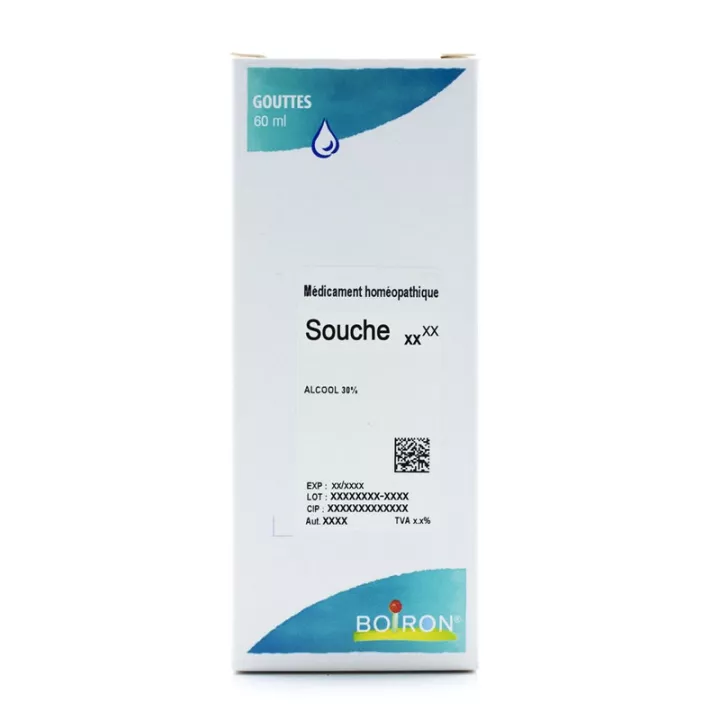
Hypericum Perforatum, commonly known as St. John’s wort, is widely recognized for its antidepressant and analgesic properties. In homeopathy, this plant-based remedy is used to treat various conditions, including nerve pain and mood disorders. Listed in the French and European Pharmacopoeias and registered under number EH00445, Hypericum Perforatum is available in several forms, including doses, alcohol-based drops, and tubes, as well as in compounded preparations.
Origin and Properties
Hypericum perforatum is a herbaceous plant known for its distinctive yellow flowers. It contains compounds such as hyperforin and hypericin, which are believed to contribute to its therapeutic effects, particularly through their action on neurotransmitters in the brain.
Forms of Preparation
Doses, Drops (alcohol-based), and Tubes: Hypericum perforatum is available in several potencies to meet different therapeutic needs:
- Potencies: 4 CH, 5 CH, 7 CH, 9 CH, 12 CH, 15 CH, 30 CH, 30 DH
- Drops (alcohol): 4 DH, 6 DH
- Tubes: 4 CH, 5 CH, 7 CH, 9 CH, 12 CH, 15 CH, 30 CH, 4 DH, 6 DH, 30 DH
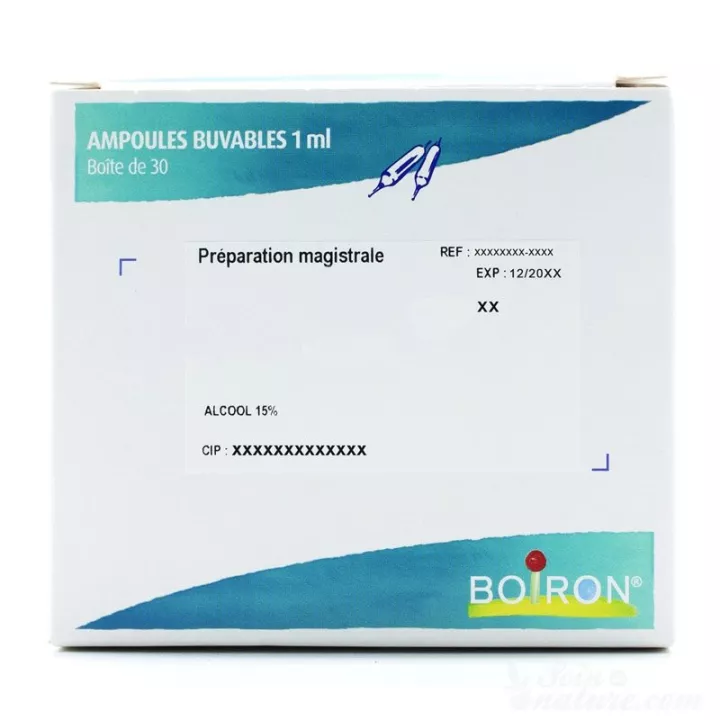
Compounded Preparations: For personalized treatment, Hypericum can be prepared in Hahnemannian dilutions starting at 2 CH and in Korsakovian dilutions up to 10,000K, offering maximum flexibility for individualized treatment.
Precautions for Use
Warning
Contains sucrose.
Administering Homeopathic Granules to Infants and Children
For granules or alcohol-based drops, dissolve them in 100 ml of water. Since the granules take a long time to dissolve, it is necessary to prepare your mixture in advance.
Homeopathy and Pregnancy
Homeopathic remedies have no chemical toxicity, no contraindications, no interactions with other medications, and no adverse effects related to the amount ingested. Pregnant women can use them without any known risk to themselves or their unborn child, but it is best to seek advice.
Frequency of Homeopathic Use
For acute conditions, it is recommended to take homeopathic remedies every hour until symptoms improve. Once symptoms improve, doses should be spaced out to 3 or 4 times a day, then gradually discontinued.
For chronic conditions, remedies in low dilutions (>9CH) are taken 1 to 2 times a day, while constitutional remedies are taken once a week or even once a month. This decision is up to the homeopath.
What to Do If There Is No Improvement Within 24 Hours
Certain conditions cannot be treated with homeopathy through self-medication alone. Their severity requires medical advice, which can be provided by a homeopathic physician. This physician will determine whether your condition can be treated with homeopathy alone or whether your treatment should be supplemented with allopathic medicine.