What is cholesterol, and what role does it play in the body?
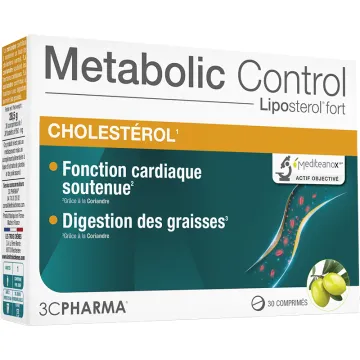
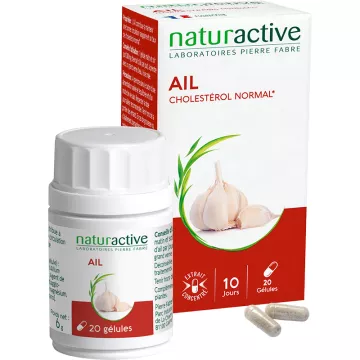
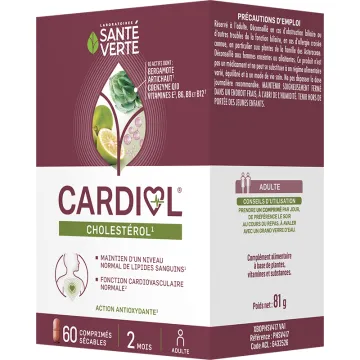
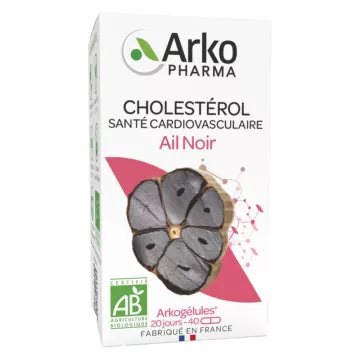
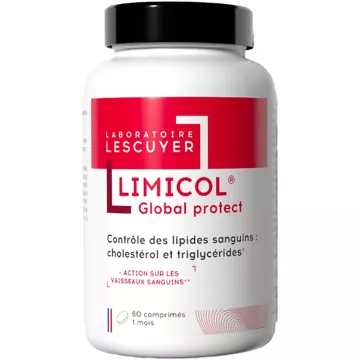
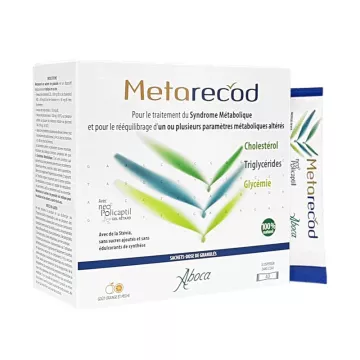
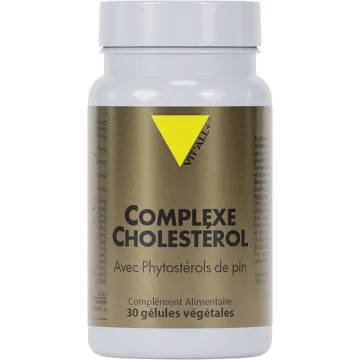
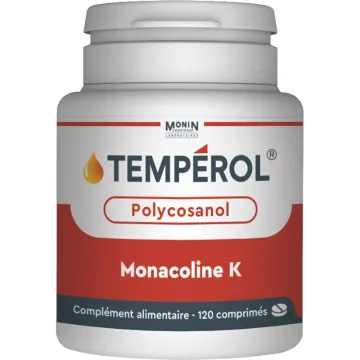
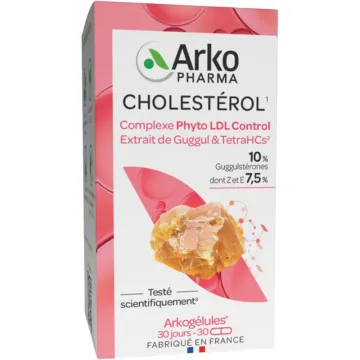
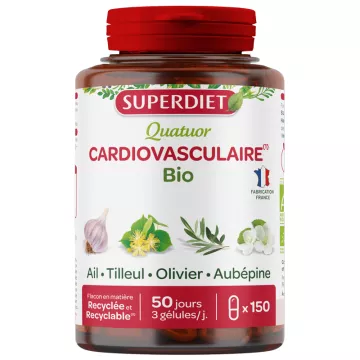
Cholesterol is a lipid (sterol) that is essential for life—70–75% of it is produced by the liver (endogenous cholesterol), and 25–30% comes from the diet. Contrary to its negative reputation, it is essential for many vital functions. It is the excess cholesterol in the blood and its buildup in the arteries that constitute a cardiovascular risk factor. Supportive supplements are available in the store’s cholesterol and cardiovascular health line.
- Essential physiological functions: structural component of cell membranes (regulates their fluidity) — precursor of steroid hormones (cortisol, aldosterone, estrogens, testosterone, DHEA) — precursor to vitamin D (synthesized in the skin upon exposure to UV light) — component of bile acids (fat digestion)
- Transport in the blood: Since cholesterol is insoluble in water, it is transported bound to carrier proteins (lipoproteins) — LDL (Low-Density Lipoprotein): transports cholesterol from the liver to tissues — HDL (High-Density Lipoprotein): returns cholesterol from tissues to the liver (reverse transport) — VLDL: primarily transports triglycerides
- Lipid reference values (to be interpreted by the physician based on overall cardiovascular risk): desirable total cholesterol < 2 g/L (5.2 mmol/L) — Optimal LDL cholesterol < 1.0 g/L for secondary prevention, < 1.9 g/L for low risk — Protective HDL cholesterol > 0.60 g/L — Fasting triglycerides < 1.5 g/L
What causes cholesterol levels to rise, and what are the consequences?
- Dietary and behavioral causes: saturated fats (fatty meats, processed meats, cheeses, palm oil, and coconut oil) — industrial trans fats (commercially baked goods, hydrogenated margarines) — physical inactivity (lowers HDL and raises triglycerides) — smoking (lowers HDL) — excessive alcohol consumption (raises triglycerides)
- Medical and genetic causes: hypothyroidism — nephrotic syndrome — type 2 diabetes — certain medications (corticosteroids, beta-blockers) — familial hypercholesterolemia (severe genetic form)
- Mechanism of atherosclerosis: oxidized LDL infiltrates the arterial walls → formation of atheromatous plaques → progressive stenosis of the coronary arteries, carotid arteries, and aorta → risk of heart attack, stroke, and heart muscle problems
- For the management ofhypercholesterolemia (elevated levels requiring treatment), consult a doctor
How can you naturally balance your cholesterol levels?
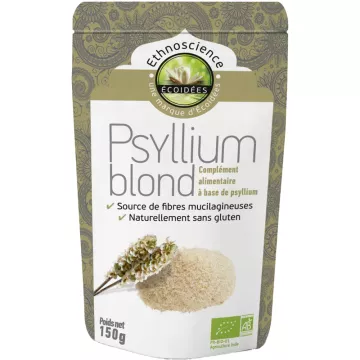
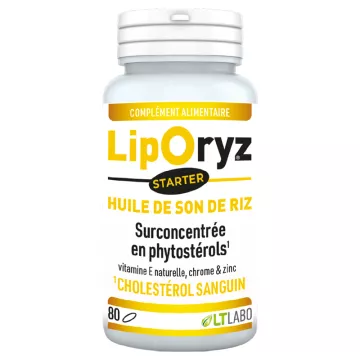
- A protective diet: reduce saturated fats — increase soluble plant fiber (oats, barley, legumes, psyllium) that trap cholesterol in the digestive tract — omega-3 EPA-DHA (fatty fish 2 to 3 times a week, walnuts, flaxseeds) — phytosterols (2 g/day in margarine or fortified supplements — 7–10% reduction in LDL according to EFSA)
- Physical activity: 150 minutes per week of moderate-intensity activity increases HDL and reduces triglycerides and LDL — the effect on HDL is most specific to regular exercise
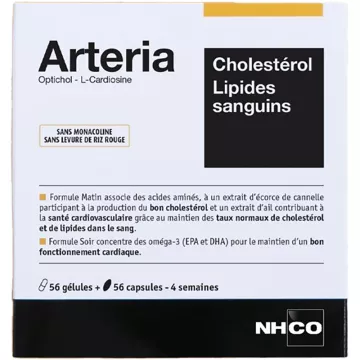
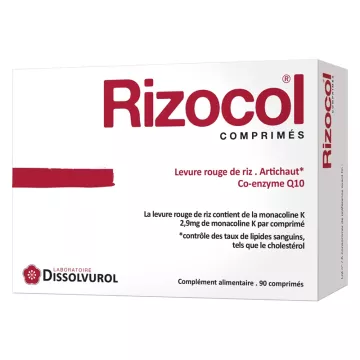
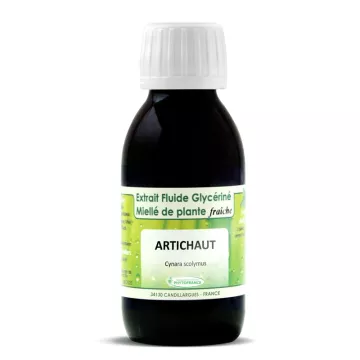
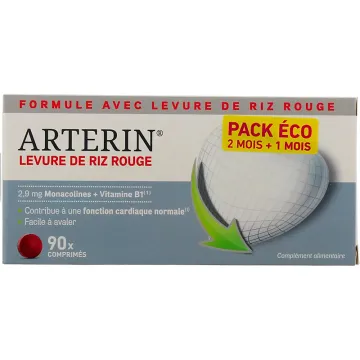
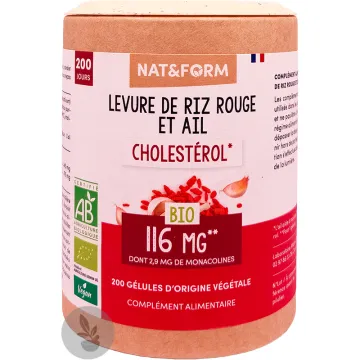
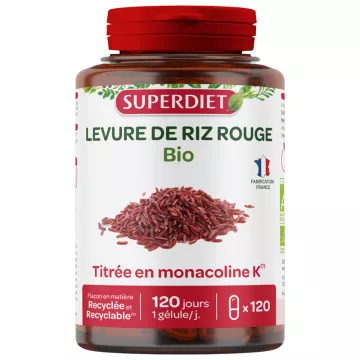
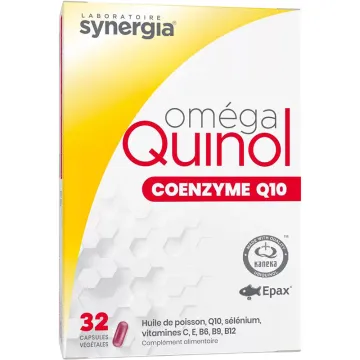
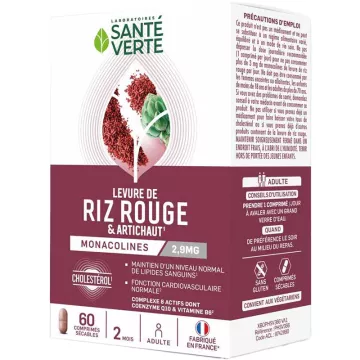
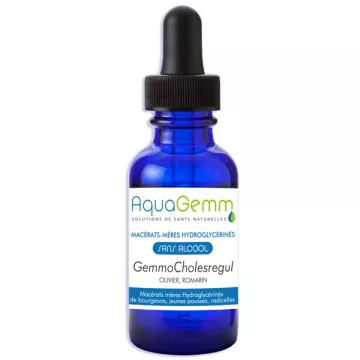
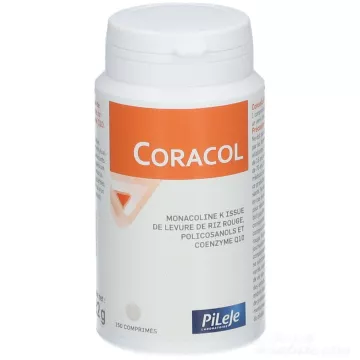
- Supportive supplements: artichoke (cynarin—moderate inhibition of hepatic cholesterol synthesis—EMA traditional use) — omega-3 (documented reduction in triglycerides—EFSA claim) — red yeast rice (monacolin K — effects similar to statins — see detailed precautions in the dedicated fact sheet — medical advice required)
- Smoking cessation (Tabac Info Service: 3989) — maintaining a healthy weight — stress reduction (chronic cortisol elevates triglycerides)