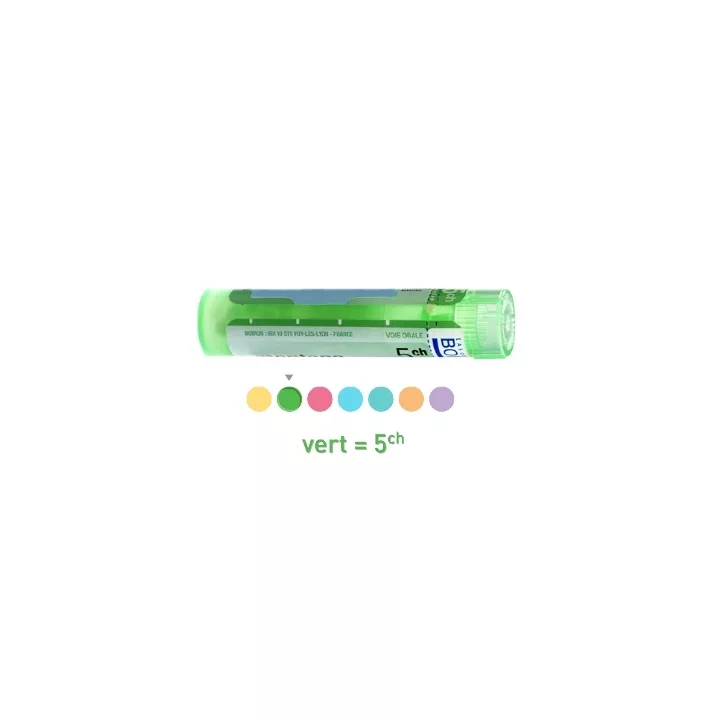
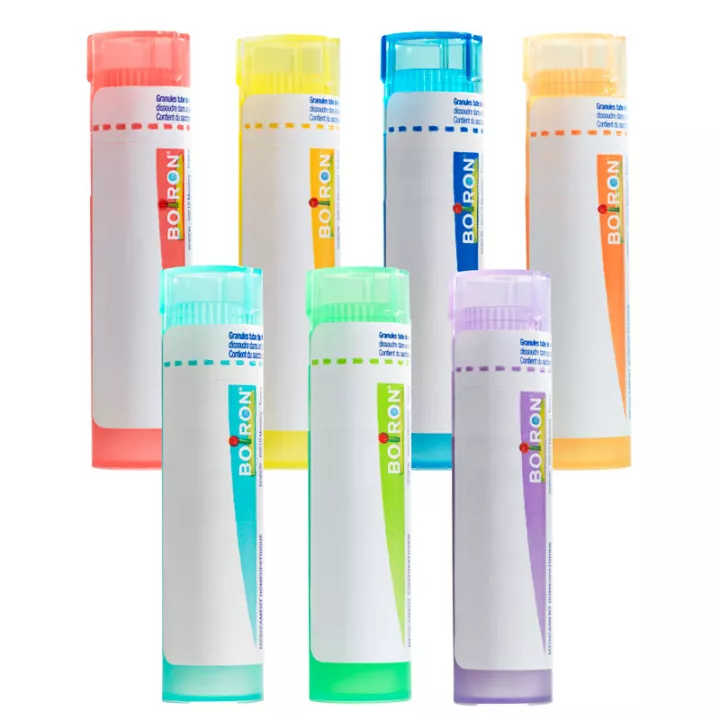
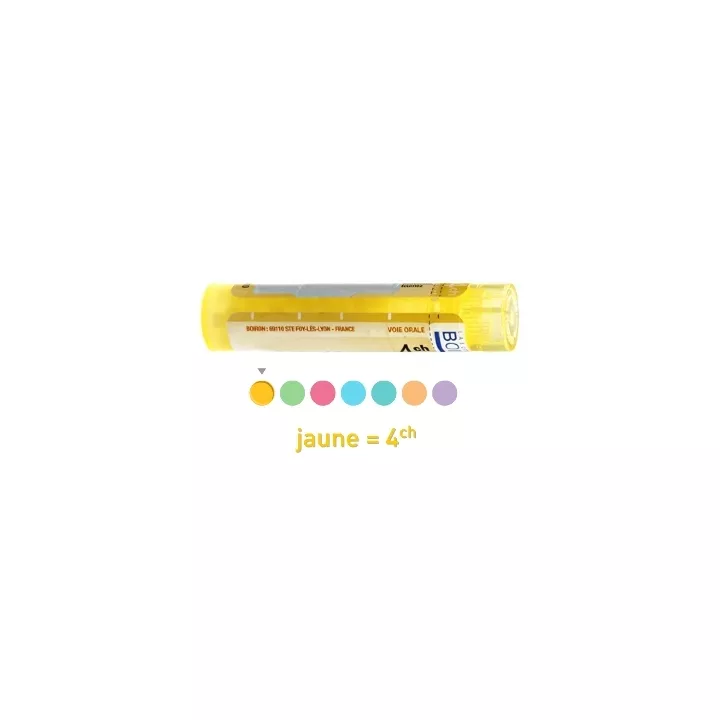
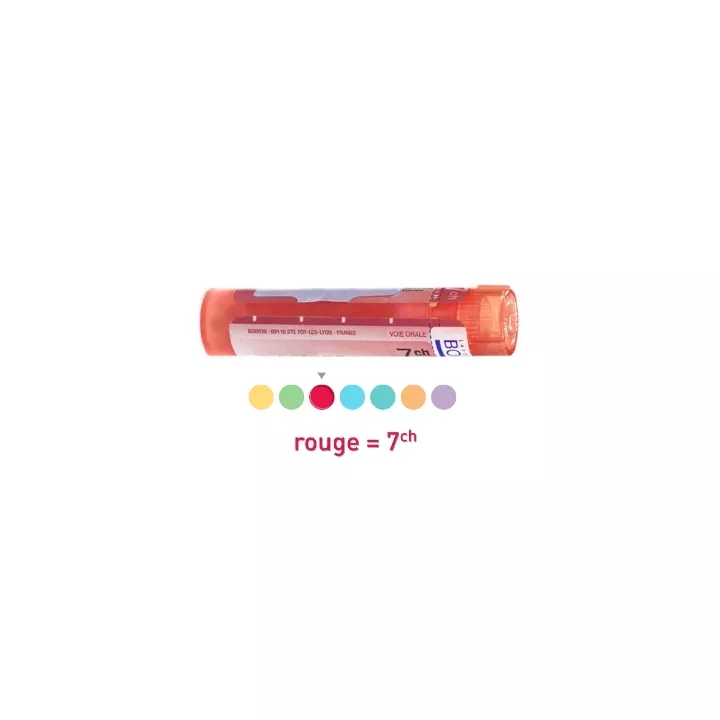
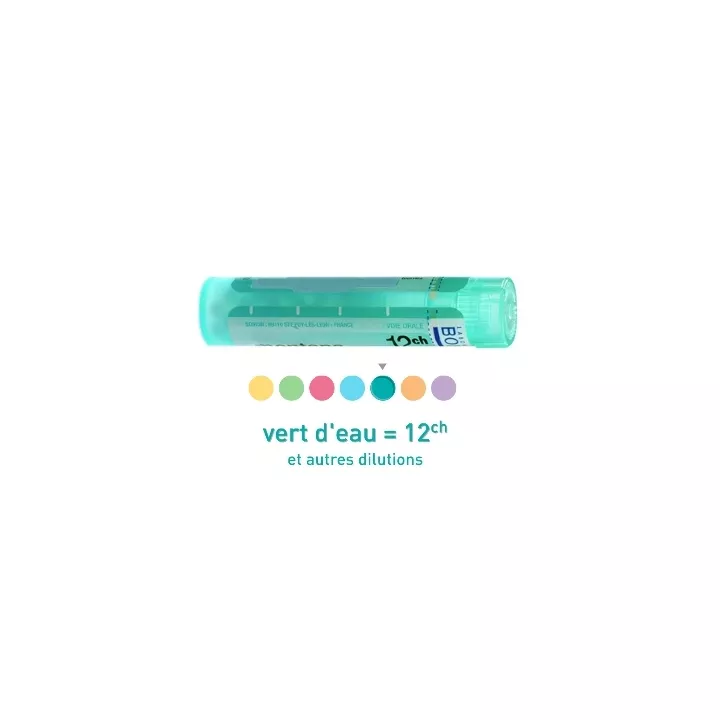
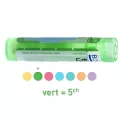
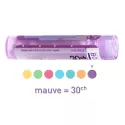
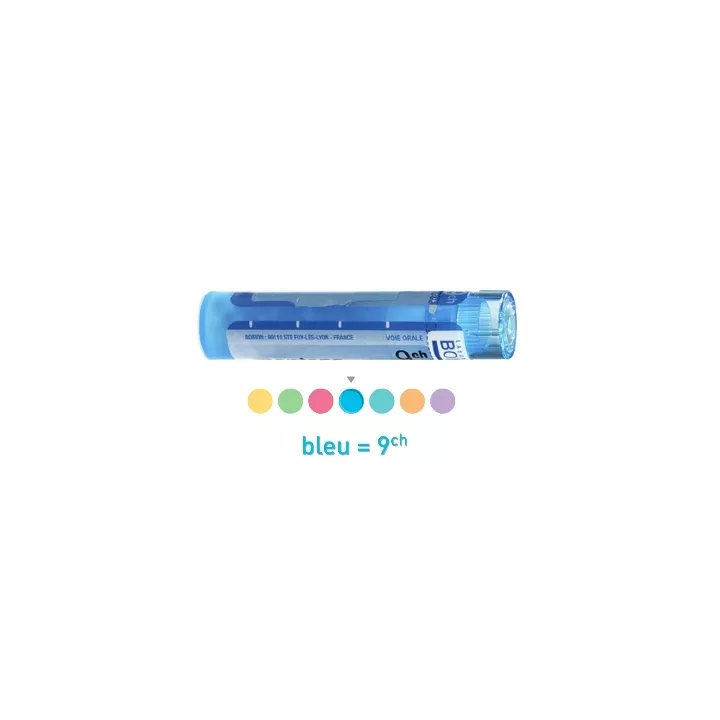
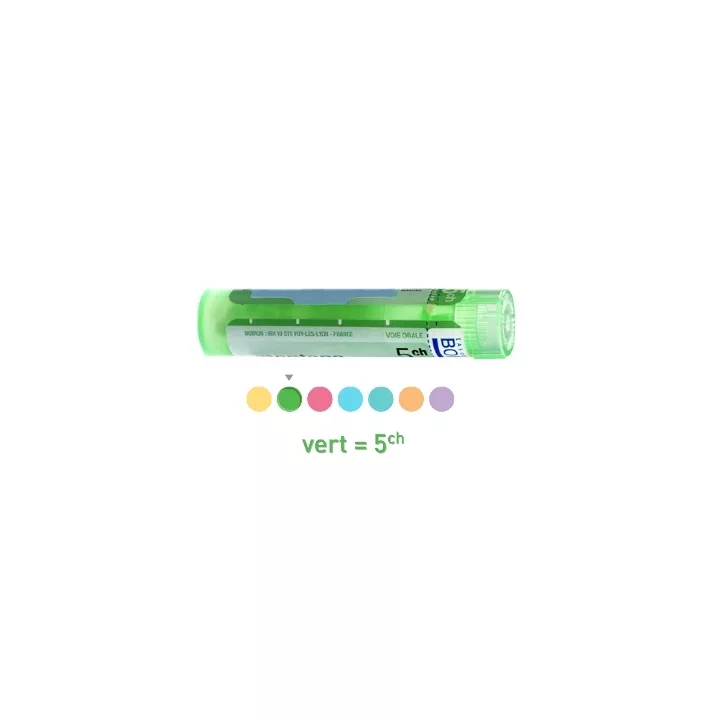
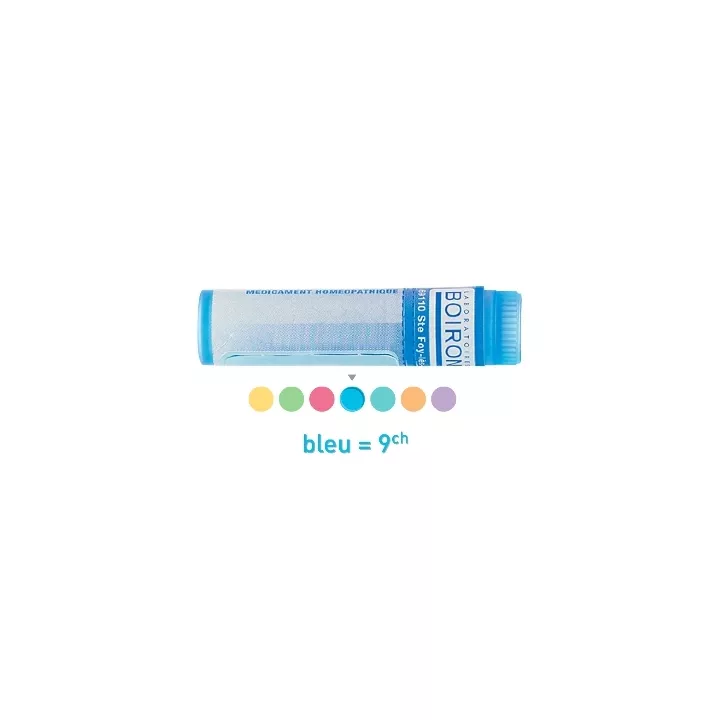
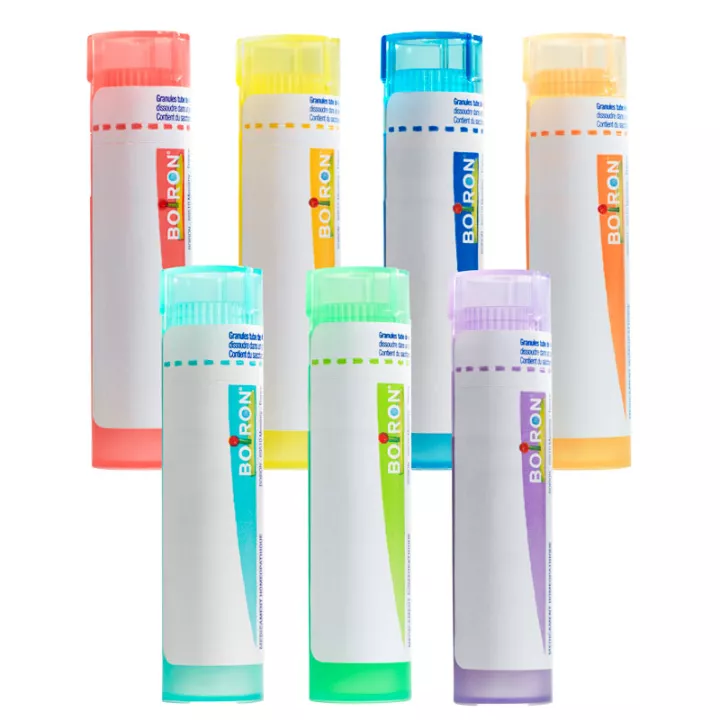
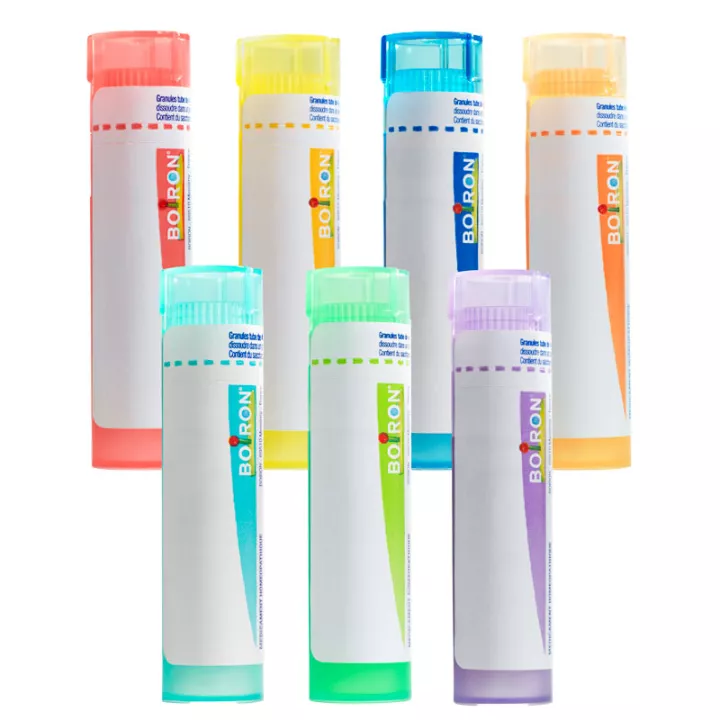
Sepia officinalis 4CH, 5CH, 7CH, 9CH, 12CH, 15CH, 30CH homeopathic granules by Boiron
Registered medication: EH00952
Source: Animal
The source used to prepare Sepia officinalis is sepia, a blackish liquid secreted by the cuttlefish as a defense mechanism. This liquid contains a significant amount of amino acids and trace elements. Sepia officinalis is indicated for the treatment of gastrointestinal and urinary disorders. However, it is also suitable for treating gynecological disorders, certain skin conditions, and illnesses related to nervous exhaustion. The dosage of the medication depends on the type of condition being treated. Furthermore, in some cases, other remedies such as Belladonna, Natrum muriaticum, Amylium nitrosum, and Borax may be combined with Sepia officinalis.
Sepia officinalis is a homeopathic remedy commonly used for women with a particular sensitive constitution. These women are generally slender, brunette, with a dull complexion and brownish spots on their bodies. They tend to be sad, irritable, anxious, and may show signs of depression. When they are not feeling well, they tend to lose interest in those around them and seek solitude. To relieve the sensation of heaviness in the genital area, they often cross their legs when sitting.
Sepia officinalis: A Versatile Homeopathic Remedy
Sepia officinalis is a homeopathic remedy that acts on most of the body’s major functions, including the digestive system, the liver, the nervous system, the mucous membranes, the skin, and the psyche. It is therefore essential to quickly understand the symptoms associated with this remedy in order to get the most out of it.
Sepia officinalis is a homeopathic remedy that affects various bodily functions, including the nervous, digestive, and venous systems. Thanks to its versatile action, this remedy has numerous indications for treating a variety of conditions. In this article, we’ll explore the most common indications for Sepia officinalis.
Digestive Disorders
Sepia officinalis is often indicated for digestive disorders such as constipation, a sensation of a lump in the rectum, slow digestion, a feeling of emptiness in the stomach, nausea, bloating, acid belching, poor appetite, and bleeding hemorrhoids.
Gynecological Disorders
This homeopathic remedy is also used to treat various gynecological disorders, including frequent vaginal discharge, vaginal yeast infections, irregular and scanty periods, a sensation of “bearing down,” and painful sexual intercourse.
Menopause and Associated Symptoms
Sepia officinalis is often recommended for menopausal women experiencing liver, digestive, or venous disorders; genital infections; vaginal discharge; and hot flashes without flushing.
Nausea During Pregnancy
This homeopathic remedy is also indicated to relieve nausea in pregnant women, particularly those who tend to develop a “pregnancy mask.”
Migraines and Urinary Tract Infections
Sepia officinalis can be used to treat migraines, especially those on the left side, as well as frequent urinary tract infections.
Asthma and chronic bronchitis
This homeopathic remedy is also used as a maintenance treatment for asthma and chronic bronchitis.
Skin Conditions
Sepia officinalis is indicated for treating various skin conditions such as eczema, fungal infections, herpes, acne, and psoriasis.
General Fatigue and Depressive Episodes
This homeopathic remedy can also be used to relieve general fatigue, low blood pressure, and depressive episodes, including postpartum “baby blues.”
Conclusion: Sepia officinalis, a homeopathic remedy with multiple indications
Sepia officinalis is a versatile homeopathic remedy that can help alleviate many conditions and improve the quality of life for those affected. It is important to consult a healthcare professional to determine whether Sepia officinalis is the appropriate treatment for your symptoms and to obtain advice on dosage and duration of treatment.
When should Boiron Sepia officinalis homeopathic granules be used?
A homeopathic physician selects the dilution and dosage appropriate for the patient’s health condition and characteristic symptoms.
Recommended dosage of Sepia officinalis for gastrointestinal disorders
To relieve digestive disorders characterized by constipation, slow digestion, loss of appetite, bloating, or nausea, it is recommended to take 5 granules of Sepia officinalis 5 CH in the morning and evening for a period of 60 days.
Recommended dosage of Sepia officinalis for gynecological and urinary disorders
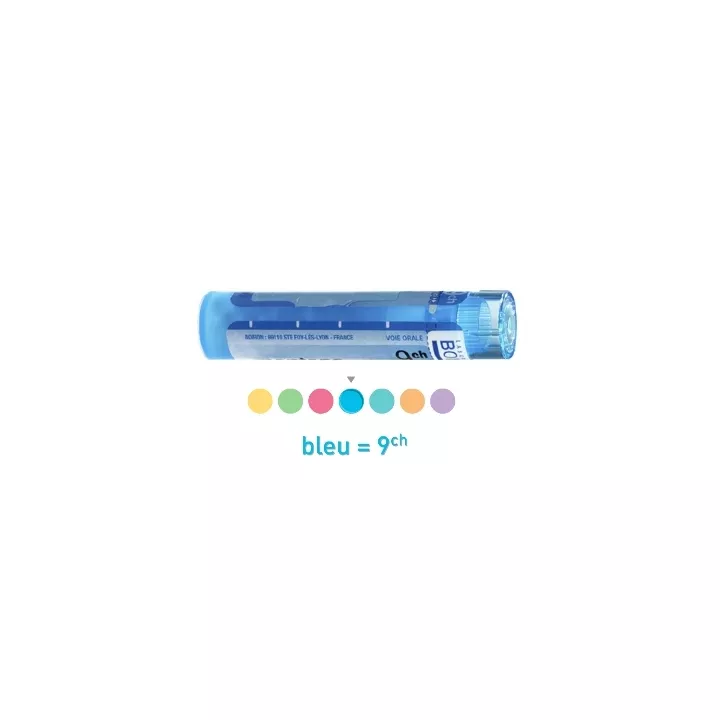
- To address gynecological issues, take 5 granules of Sepia officinalis 9CH, 15CH, or 30CH, 1 to 2 times daily.
- For painful sexual intercourse, take Sepia officinalis 15 CH or 30 CH: 2 to 4 doses per month.
How should Sepia be taken for hot flashes during menopause?
During menopause, hot flashescan be alleviated by taking 5 granules of Sepia officinalis 9CH, 15CH, or 30CH daily, or 1 homeopathic dose per week.
This remedy serves as a general treatment and should be combined with other medications to treat specific symptoms.
- If hot flashes are accompanied by facial flushing, Sepia officinalis should be combined with other remedies such as Belladonna.
- On the other hand, if hot flashes are followed by a chill down the spine, Sepia officinalis should be combined with Amylium nitrosum.
Recommended dosage of Sepia officinalis for nausea in pregnant women
To relieve nauseaduring pregnancy, it is recommended to take 5 granules of Sepia officinalis 9 CH morning and evening for 3 months, particularly in the early stages of pregnancy.
Recommended dosage of Sepia officinalis for dermatological conditions
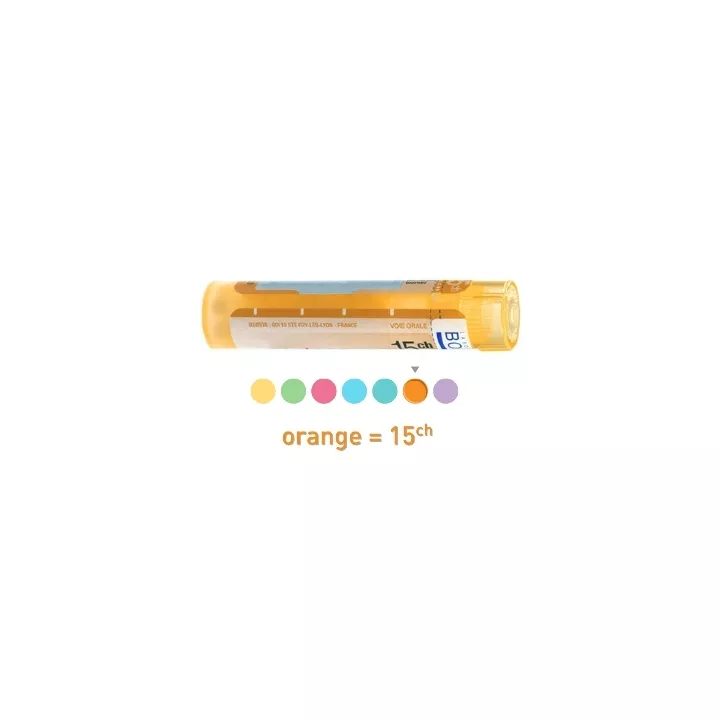
To alleviate skin conditions such as acne, fungal infections, or eczema, the recommended dosage is 5 granules of Sepia officinalis 15 CH daily for 3 months.
To treatherpes, a course of 5 granules of Sepia officinalis 15 CH should be taken, combined with other homeopathic remedies such as Borax, Croton tiglium, Natrum muriaticum, and Rhus toxicodendron.
Recommended dosage of Sepia officinalis for infections
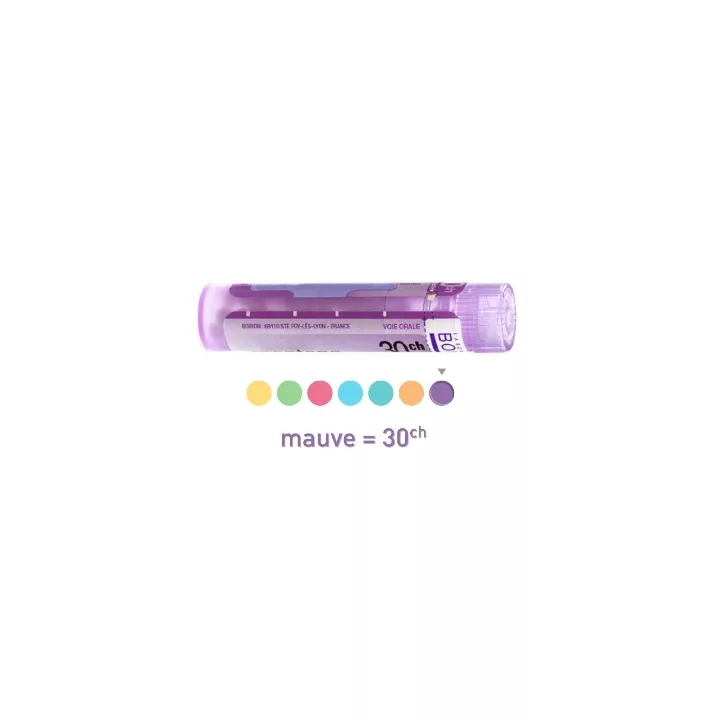
Forfrequent urinary tract infections, use Sepia officinalis 30 CH: 1 dose per week for 3 months.
To treat asthma and bronchitis, take Sepia officinalis 15 CH: 1 dose per week for 3 months.
Recommended dosage for stress or overexertion
Depression, general fatigue, and all related conditions—including low blood pressure and burnout—can be alleviated by placing 5 granules of Sepia officinalis 30 CH under the tongue every day for 3 months.
This section providing advice on medications and health is in no way a substitute for the diagnosis and advice of a doctor or pharmacist. The information provided is for general guidance only. Under no circumstances should this information be used for diagnostic purposes. We cannot be held responsible for any misinterpretation of its content or for the reader’s state of health, whether prior to or following consultation of these advice sheets.
Directions for Use and Instructions for Sepia Officinalis 4CH, 5CH, 7CH, 9CH, 12CH, 15CH, 30CH
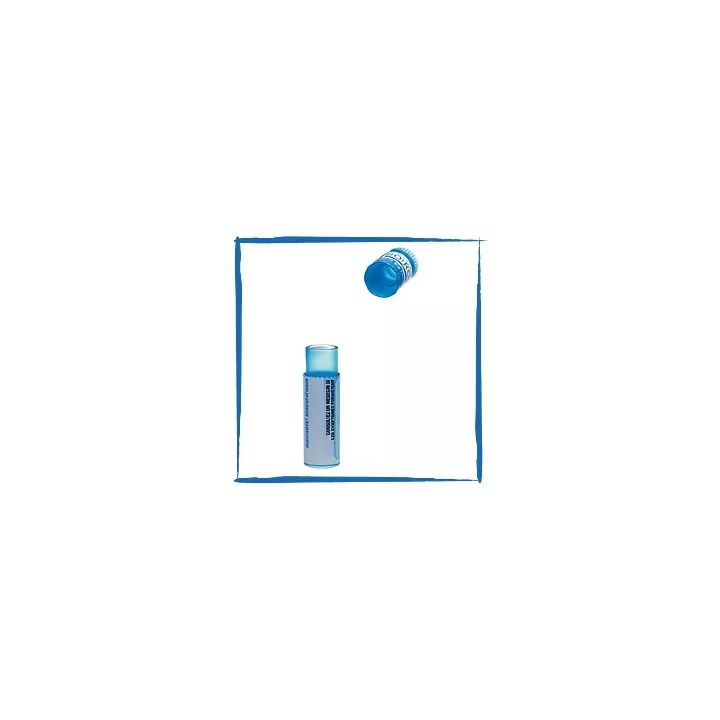
Twist the tube to dispense the desired number of granules into the cap, then place the granules under the tongue. It is recommended that you do not touch the homeopathic granules with your fingers. Use a mint-free toothpaste (such as Homéodent Boiron, a toothpaste compatible with taking homeopathic granules).
This homeopathic medicine should be taken away from meals, tobacco, coffee, and mint. Allow the granules to dissolve under the tongue.
Packaging and contents of Sepia Officinalis granules
Translucent tube of granules (allows you to see how many granules are left) Weight: 4 g. Approximately 80 granules.
Precautions for Use
Warning
Contains sucrose. Store Sepia officinalis 9CHhomeopathic medicine away from light, heat, and moisture.
Administering homeopathic granules to infants and children
Sepia officinalis 5 CHhomeopathic granules should be dissolved in 100 ml of water. Since the granules take a long time to dissolve, it is necessary to prepare the mixture in advance.
Homeopathy and Pregnancy
Sepia officinalis 9CHhomeopathic remedies have no chemical toxicity, no contraindications, no interactions with other medications, and no adverse effects related to the amount ingested. Pregnant women can use this remedy without any known risk to themselves or their unborn child, but it is best to seek advice.
What to Do If There Is No Improvement Within 24 Hours
Certain conditions cannot be treated homeopathically through self-medication with Sepia officinalis alone. Your doctor will determine whether your condition can be treated with homeopathy alone or if your treatment should be supplemented with allopathic medicine.