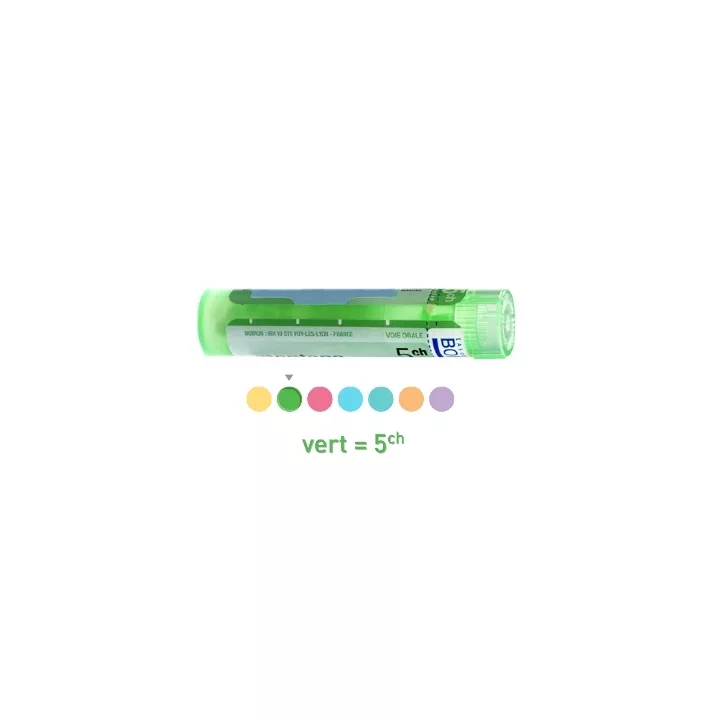
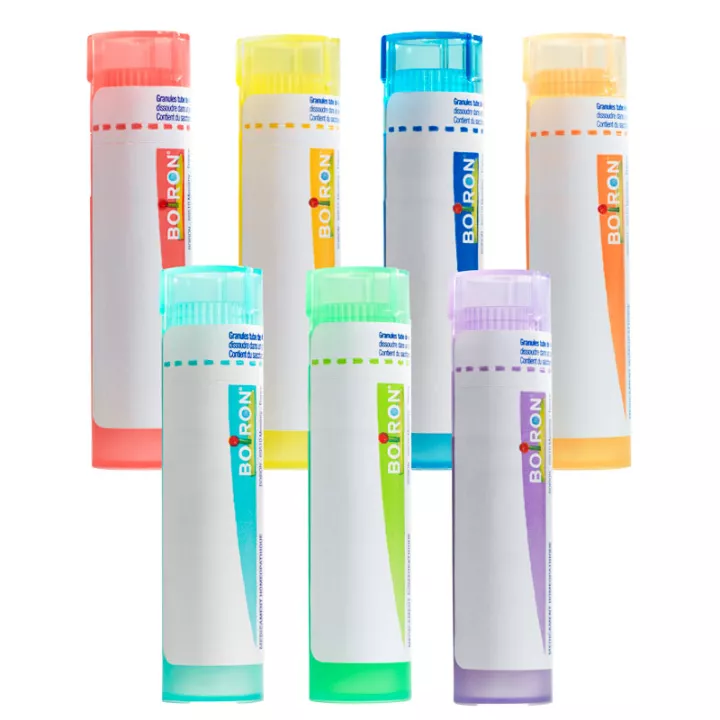
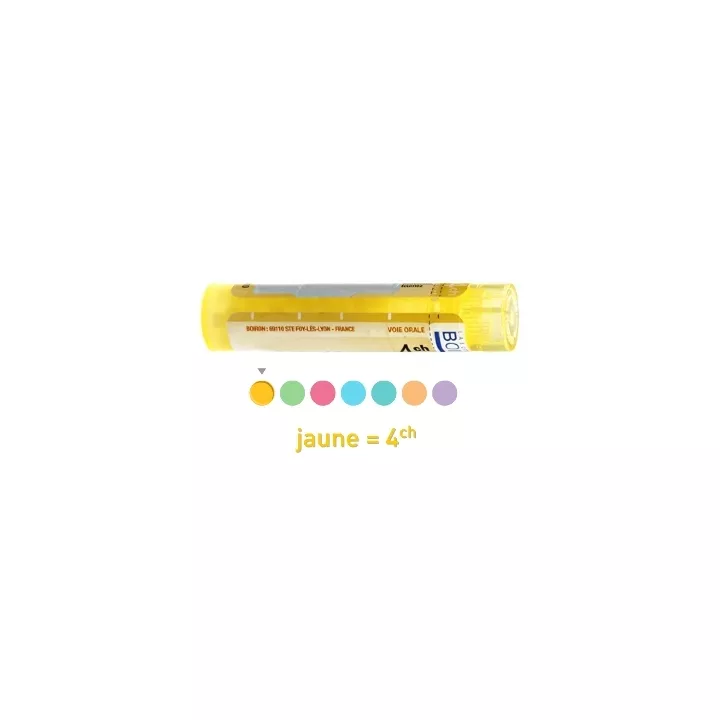
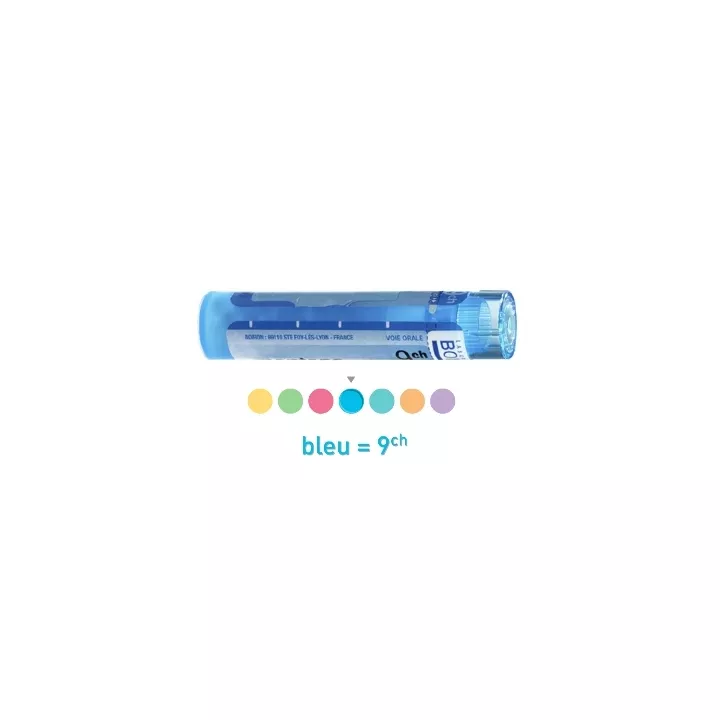
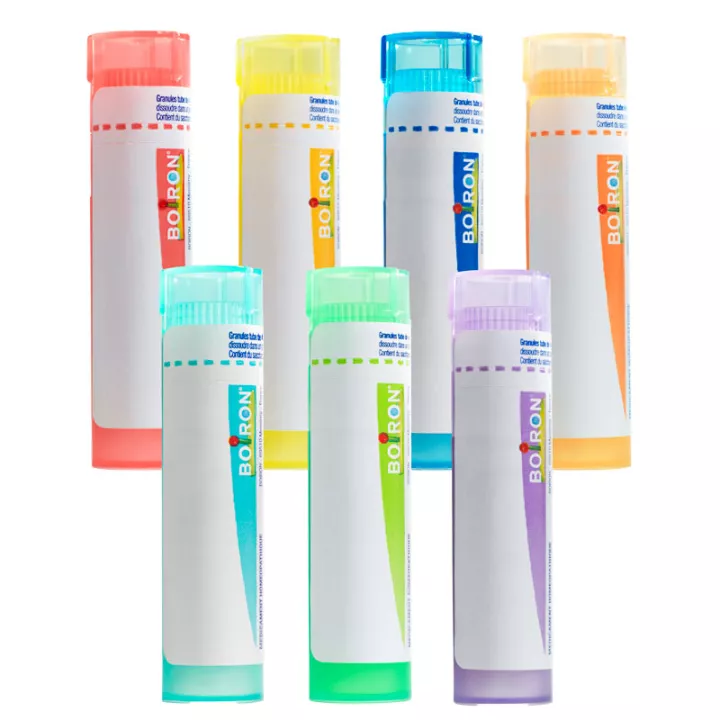
Monilia albicans (Candida) 4CH, 5CH, 7CH, 9CH, 15CH, 30CH, 200K, 1000K, 8DH granules or homeopathic doses by Boiron
Homeopathic Indications for Monilia albicans
Monilia albicans (Candida) homeopathic remedies can be used to treat various symptoms. The homeopathic physician selects the appropriate dilution and dosage based on the patient’s condition and characteristic symptoms.
Homeopathy for Fungal Infections: Treatment and Dosage
Yeast infections, which are caused by fungi, can be a source of discomfort and pain. In homeopathy, various strains and combinations are recommended to effectively combat these infections. This technical guide details the recommended homeopathic treatments for fungal infections, with an emphasis on dosage and methods of application.
Fungal infections, whether skin or vaginal, can be particularly uncomfortable and require appropriate treatment. Homeopathy offers a gentle yet effective approach to relieving symptoms and preventing recurrences. Discover here the specific homeopathic treatments for each type of fungal infection, as well as the situations in which it is important to consult a healthcare professional.
Topical Treatment with Calendula Mother Tincture
- Application Method: Apply Calendula Mother Tincture directly to the affected area twice a day.
- Purpose: To reduce and treat the local fungal infection.
Combined Oral Treatment
For a more comprehensive therapeutic approach, it is possible to combine topical treatment with oral homeopathic remedies. Here are some common combinations:
Combination of Graphites 5CH & Nitricum Acidum 5CH
- Dosage: 5 granules of each, twice a day.
- Duration: About two weeks.
- Role: Work synergistically to target and eliminate the fungal infection.
Why choose homeopathy to treat fungal infections?
Homeopathy is an effective alternative for treating fungal infections because it aims to strengthen the immune system and restore the body’s balance. Unlike traditional antifungal treatments, which directly eliminate the fungi, homeopathic remedies work at a deeper level to prevent recurrences by stimulating the body’s natural defenses.
Homeopathic Treatment for Vaginal Yeast Infections
Vaginal yeast infections are a common condition that can cause itching, irritation, and abnormal discharge. Several homeopathic remedies are effective in relieving these symptoms.
General Treatment
The basic treatment for vaginal yeast infection generally includes:
- Kréosotum 5 CH: Effective for foul-smelling discharge and vaginal irritation.
- Helonias dioica 5 CH: Used for vaginal itching and irritation, often associated with leukorrhea.
- Sepia officinalis 5 CH: Particularly recommended when itching is accompanied by a burning sensation.
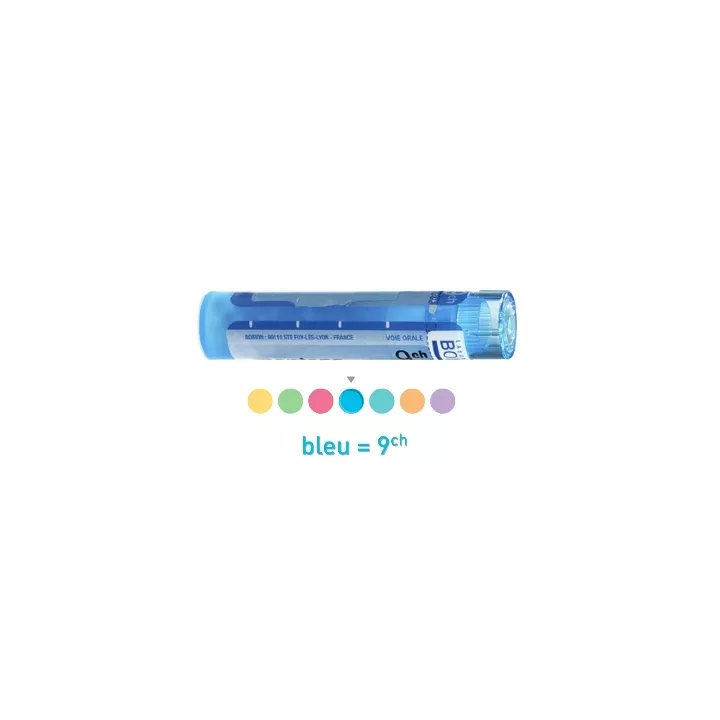
- Candida albicans 9 CH: Helps reduce the proliferation of the fungus responsible for yeast infections and restore the balance of the vaginal flora.
The usual dosage is 3 to 5 granules per dose, taken several times a day depending on symptoms.
Topical Treatment
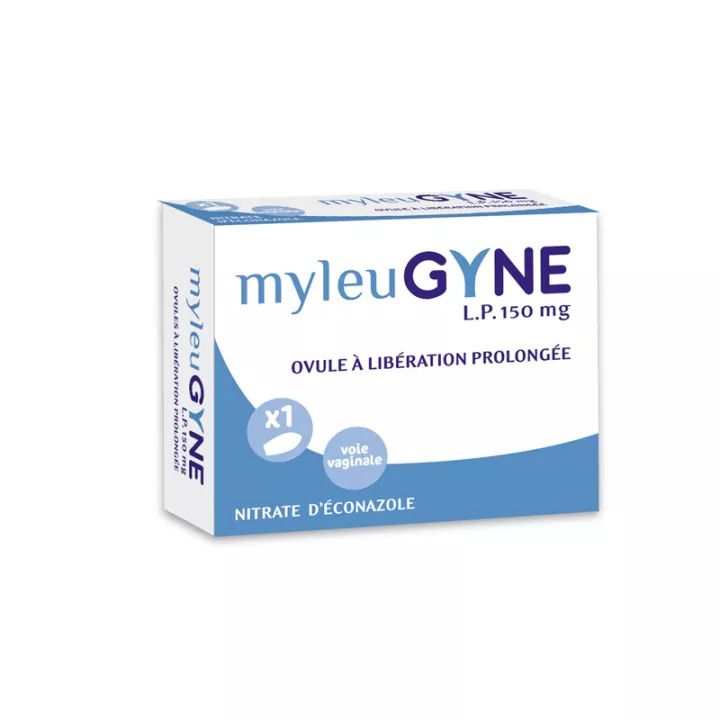
As a supplement, Calendula vaginal suppositories can be used topically to soothe irritation and speed up healing. This treatment helps reduce inflammation and relieve itching.
Specific Remedies Based on Symptoms
Symptoms of vaginal yeast infections can vary from person to person. Here are a few remedies tailored to different manifestations of the infection:
- Calcarea carbonica: For heavy white discharge accompanied by irritation.
- Silicea 9CH: Used for milky vaginal discharge and persistent itching.
- Borax: Recommended when the discharge is irritating and resembles egg white.
- Helonias: Recommended for thick, clumpy vaginal discharge.
- Hydrastis 9CH: Effective for yellow, stringy, and viscous discharge.
- Nitricum Acidum: Useful when a yeast infection is accompanied by bleeding and pain in the cervix.
These remedies provide a holistic treatment for vaginal yeast infections and relieve symptoms that interfere with daily life.
Use of Other Homeopathic Remedies
Certain other homeopathic remedies are often recommended for treating yeast infections, such as:
Professional Consultation
It is always recommended to consult a pharmacist or homeopathic physician before beginning any treatment for fungal infections. The healthcare professional will be able to prescribe the best combination of remedies based on the specific nature of the infection and the patient’s symptoms.
Strategic Use of Homeopathy for Fungal Infections
Homeopathy offers a range of promising treatments for fungal infections, including both topical and systemic approaches. The combination of specific strains and the application of Calendula mother tincture can provide a natural and effective solution for managing and eliminating these infections.
The choice of remedies must be carefully tailored to each individual case, and a consultation with a homeopathic healthcare professional is essential to ensure the success of the treatment. Homeopathy thus offers a valuable alternative to conventional treatments, enabling a gentle and targeted cure for fungal infections.
Directions for Use
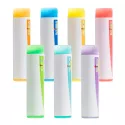
Twist the tube to dispense the desired number of granules into the cap, then place the granules under the tongue.
It is recommended not to touch the homeopathic granules with your fingers.
The globules from the single-dose tubes are taken all at once by allowing them to dissolve slowly under the tongue. If a specific dose is not available, take 10 granules of the same dilution.
Use a mint-free toothpaste (such as Homéodent Boiron, a toothpaste compatible with taking homeopathic granules).
Directions for Use:
- Granules: Take 3 to 5 granules of Candida Albicans, depending on the selected dilution, three times a day. For optimal effectiveness, the granules should be taken on an empty stomach—either half an hour before meals or one hour after.
- Administration: Let the granules dissolve under the tongue for maximum absorption. This method allows the body to quickly absorb the active ingredients.
Packaging and Content
Oral Ampoules (Alcohol):
- Available in 8 DH with options of 12 or 30 units, the ampoules facilitate administration and are particularly suitable for intensive treatment.
Doses and Tubes:
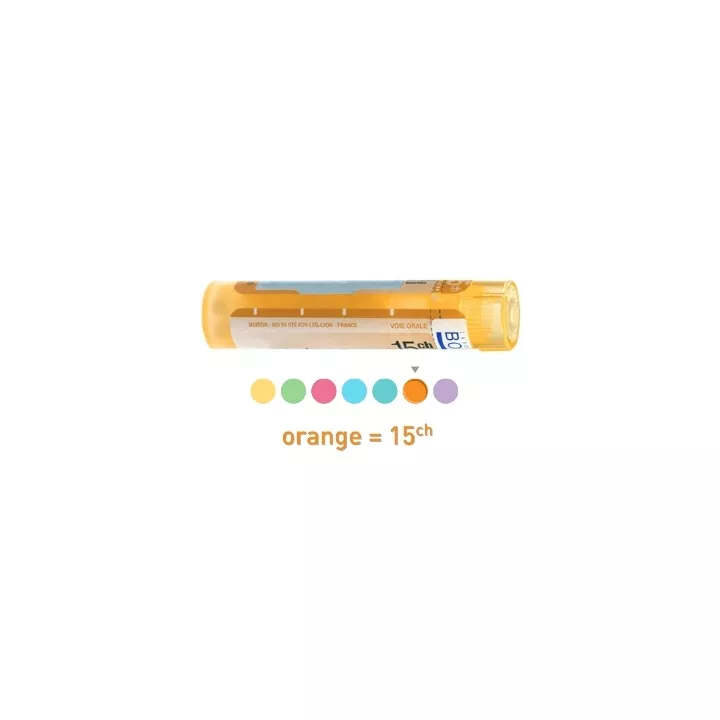
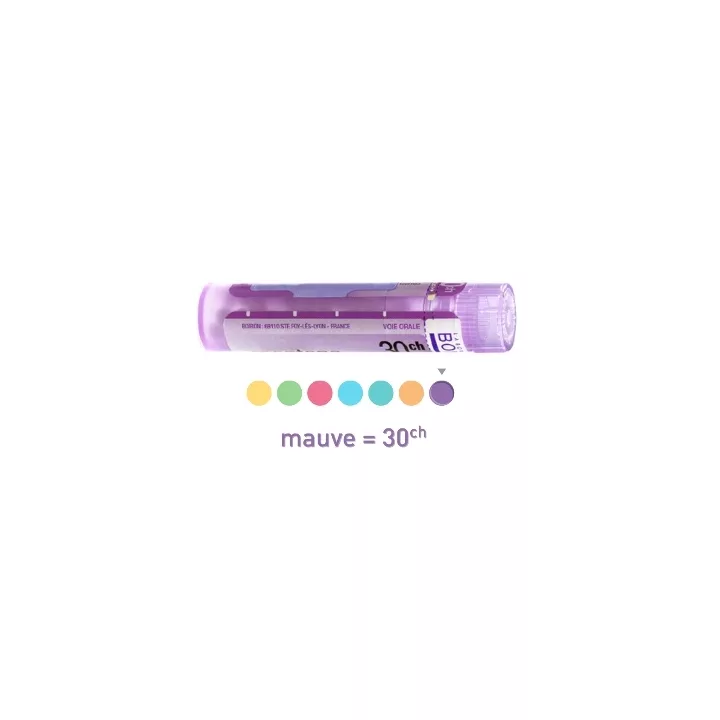
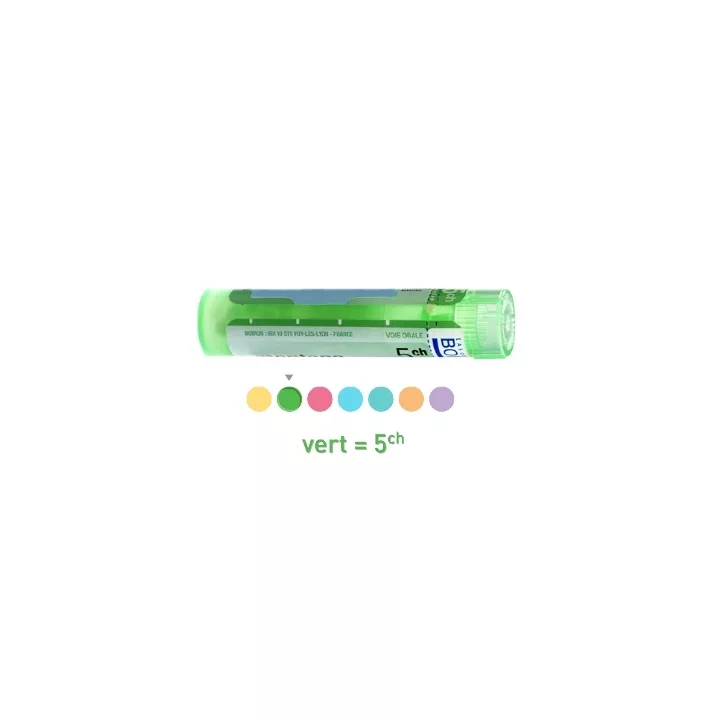
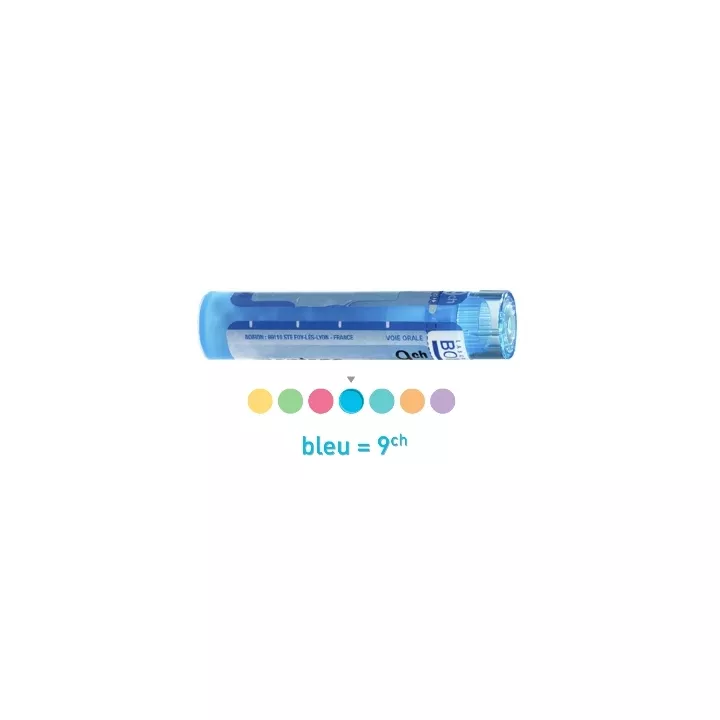
- Doses: Available in potencies ranging from 5 CH to 30 CH and 15 DH, allowing for precise targeting based on the severity and stage of the infection.
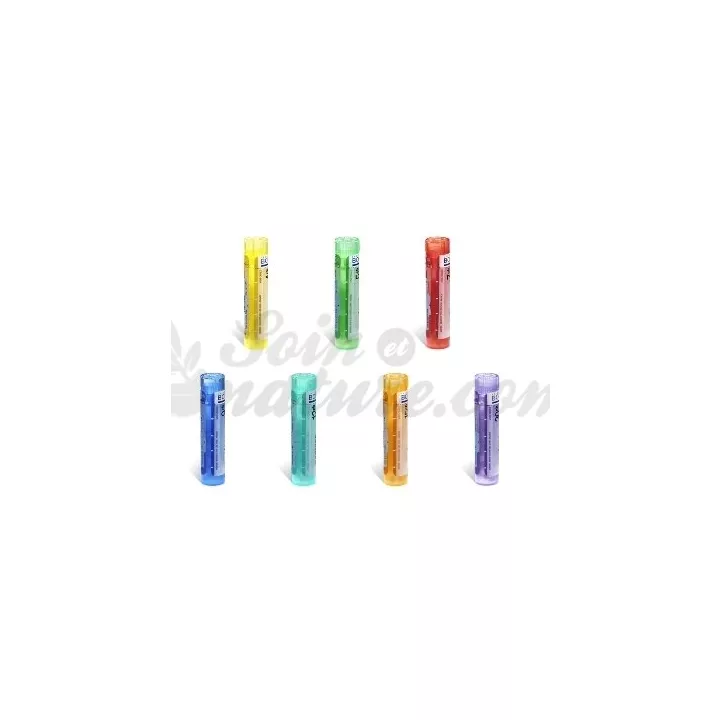
- Tubes: Available from 4 CH to 30 CH and including strengths of 8 DH, 30 DH, and 35 DH for precise adjustments based on therapeutic needs.
Compounded Preparations:
- Can be prepared in Hahnemannian dilutions starting at 4 CH and in Korsakovian dilutions (200K, 1,000K, 10,000K), offering maximum flexibility to meet individualized prescriptions.
Precautions for Use
Warning
Contains sucrose. Store Monilia albicans (Candida) homeopathic remedies away from light, heat, and moisture.
Administering Homeopathic Granules to Infants and Children
Monilia albicans (Candida) homeopathic granules should be dissolved in 100 ml of water. Since the granules take a long time to dissolve, you should prepare the mixture in advance.
Homeopathy and Pregnancy
Homeopathic remedies have no chemical toxicity, no contraindications, no interactions with other medications, and no adverse effects related to the amount ingested. Pregnant women can use them without any known risk to themselves or their unborn child, but it is best to seek advice.
Frequency of Homeopathic Use
For acute conditions, it is recommended to take homeopathic remedies every hour until symptoms improve.
For chronic conditions, remedies in low dilutions (> 9CH) are taken 1 to 2 times a day, while constitutional remedies are taken once a week or even once a month. This decision is up to the homeopath.
What to Do If There Is No Improvement Within 24 Hours
Certain conditions cannot be treated with homeopathy through self-medication alone. Their severity requires medical advice, which can be provided by a homeopathic physician. This physician will determine whether your condition can be treated with homeopathy alone or whether your treatment needs to be supplemented with allopathic medicine.