Fungal Infections: Understanding Them Better for More Effective Treatment
Have you noticed persistent itching, suspicious redness, or lingering discomfort between your toes, on your nails, or on your mucous membranes? You may very well be dealing with a fungal infection. But don’t panic—these issues are as common as they are annoying, and most importantly, there are effective solutions to relieve and eliminate them. This category includes the essential antifungal products designed to combat fungal infections of the skin, nails, or intimate areas.
What is a fungal infection? How can you identify it, treat it, and—most importantly—prevent it from coming back? We’ll also introduce you to the various product lines available, along with prevention tips and naturopathic advice to optimize your skin’s comfort. In short, everything you need to know to restore healthy, soothed skin.
Fungal infections, also known as mycoses, are caused by the overgrowth of microscopic fungi, primarily dermatophytes, yeasts (such as the well-known Candida albicans), or molds. These microorganisms thrive in moisture, heat, and confined spaces—which means they have a field day in athletic shoes, skin folds, and even the intimate area!
Fungal infections can affect different parts of the body:
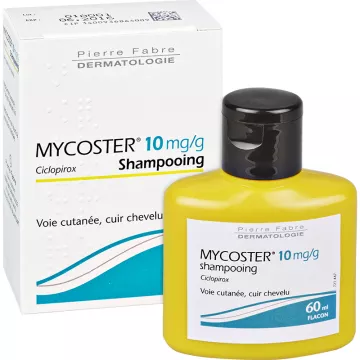
- skin fungal infections (athlete’s foot, skin folds, trunk, scalp),
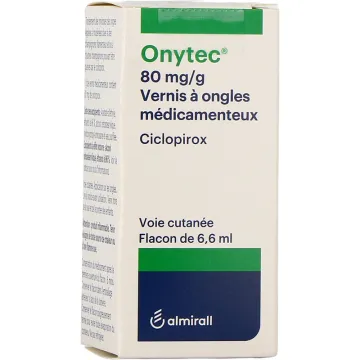
- nail fungus (onychomycosis),
- genital fungal infections (vaginal or balanitis in men),
- oral fungal infection (thrush),
- gastrointestinal fungal infections (often linked to an imbalance in the gut microbiota).
These conditions are not dangerous, but they are uncomfortable, chronic, and sometimes recurrent. Prompt and appropriate treatment can often resolve the problem within a few days or weeks. That’s where this category comes in, bringing together all the topical and complementary treatments to soothe, cleanse, and repair the affected area.
Antifungal Treatments: The Top Product Lines for Combating Fungal Infections
Because you don’t treat a fungal infection the same way you treat a cold, each type of fungal infection has its own treatment. Here are the main product categories you’ll find in this section:
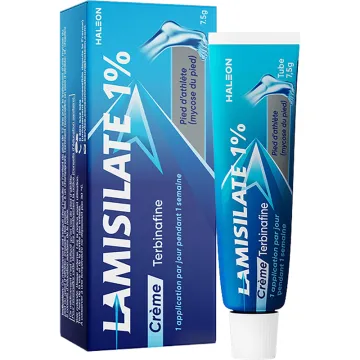
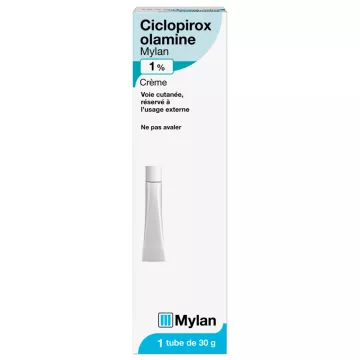
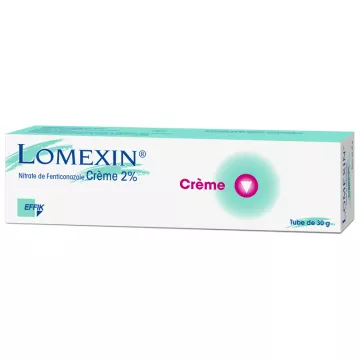
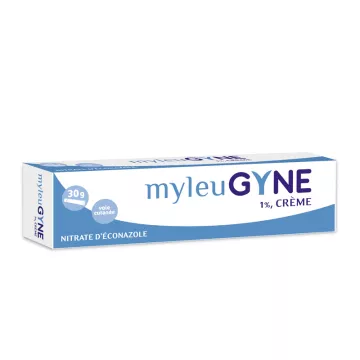
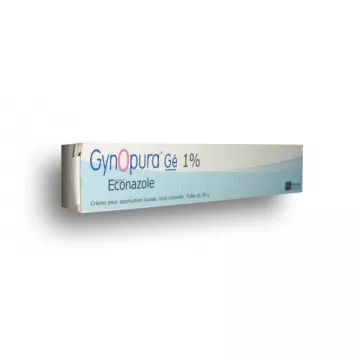
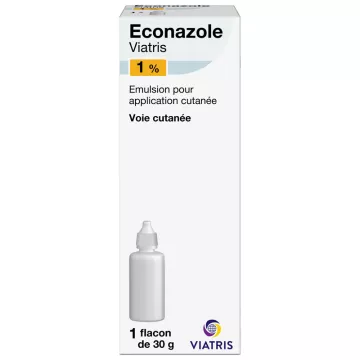
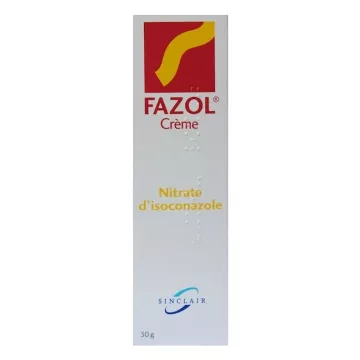
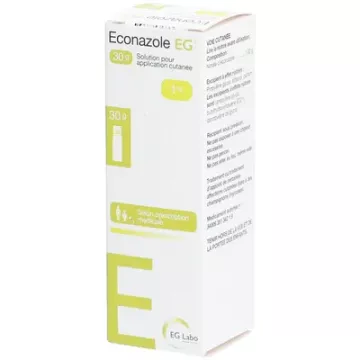
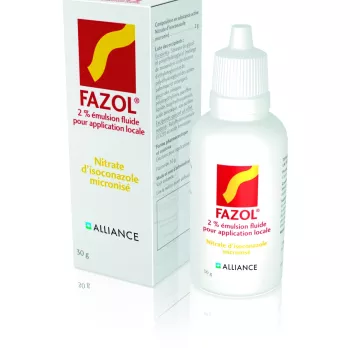
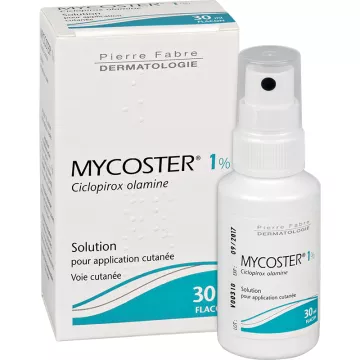
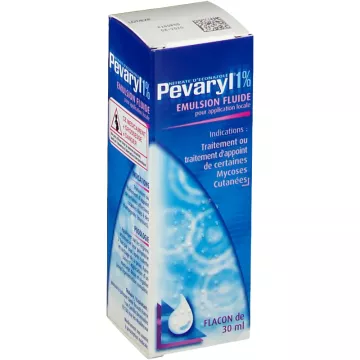
- antifungal creams: formulated witheconazole, miconazole, clotrimazole, or ciclopirox, they’re ideal for skin fungal infections or intertrigo (skin folds).
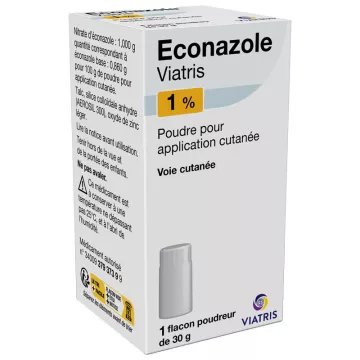
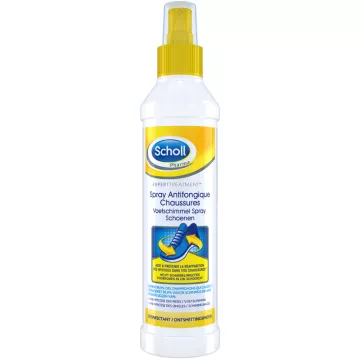
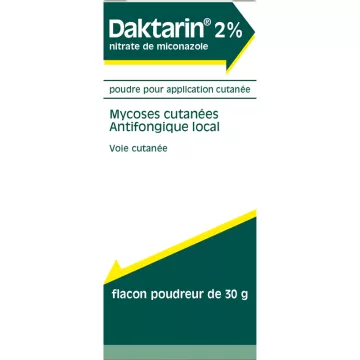
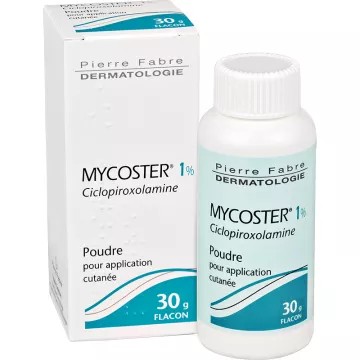
- antifungal powders or sprays: convenient for sweaty feet or shoes, they sanitize and prevent recurrences.
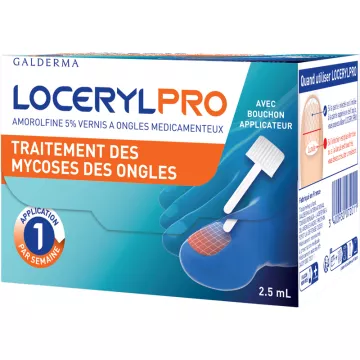
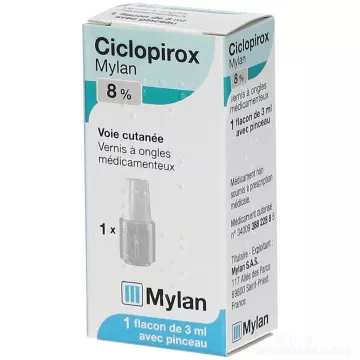
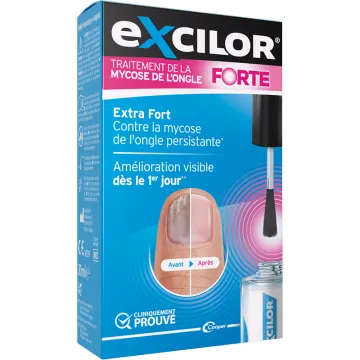
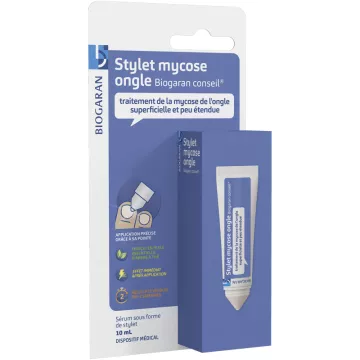
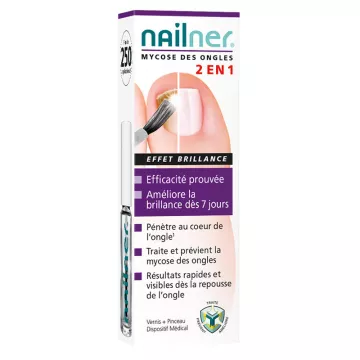
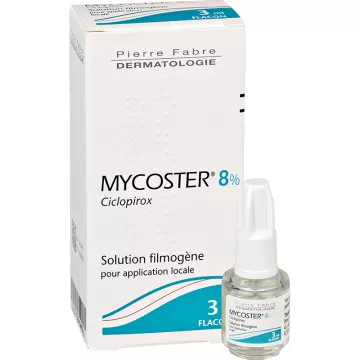
- film-forming solutions for nails: enriched with keratolytic agents, they penetrate the nail to treat onychomycosis deep down.
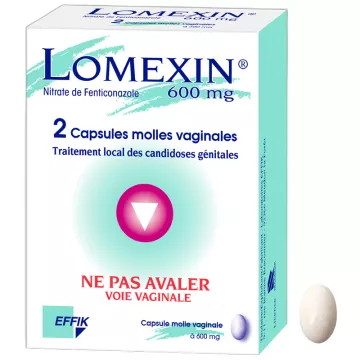
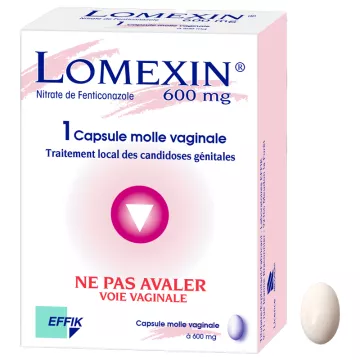
- Vaginal suppositories and creams: specially formulated to treat vulvovaginal candidiasis, they quickly relieve intimate itching and thick discharge.
- Antifungal intimate cleansing gels: to restore the balance of the intimate flora without causing irritation, particularly as a complement to treatment.
- Dietary supplements: Whether probiotics or based on natural antifungal extracts, they support the immune system and help restore the balance of the microbiome.
- Specific oral care products: to combat oral yeast infections, there are antifungal mouthwashes and specialized gels.
Each product is designed for targeted action, depending on the location and severity of the infection. The goal? To provide quick relief, treat effectively, and prevent recurrences.
Our simple tips for preventing yeast infections in everyday life
Because treatment alone isn’t always enough, adopting a few good habits can help reduce the risk of developing or recurring infections:
- Keep your feet dry: change your socks regularly, and avoid wearing closed-toe shoes for too long.
- Avoid clothing that’s too tight or made of synthetic materials: opt for cotton, especially for underwear.
- Dry skin folds thoroughly after showering, especially under the breasts, in the groin, and between the toes.
- Maintain the balance of your intimate flora: Avoid douching and harsh soaps, and opt for gentle products.
- Disinfect your shoes and towels regularly.
- Avoid sharing personal items (nail clippers, towels, etc.).
In short, practice gentle but thorough hygiene, listen to your body, and don’t wait until discomfort sets in before taking action.
Your Pharmacist’s Advice for Managing Yeast Infections
Your pharmacist is often the first person you turn to when dealing with a yeast infection, and for good reason: many treatments are available over the counter for self-treatment. But be careful—you need to know how to recognize the signs and, above all, choose the right product.
Here’s what your pharmacist will likely tell you:
- For a skin yeast infection, a topical antifungal cream is often sufficient. But be careful: treatment must continue for a few days after symptoms disappear to prevent recurrence.
- For a vaginal yeast infection, a combination of a vaginal suppository and a topical cream is often recommended, along with a specific cleansing gel.
- For a nail fungus, be patient: treatment takes time, but today’s film-forming solutions are very effective.
- If symptoms persist, worsen, or spread, you should see a doctor: some deep or atypical fungal infections require an oral antifungal medication or further diagnostic testing.
Above all, never neglect hygiene and prevention. A well-chosen topical treatment, combined with proper care, often makes all the difference.
Our Naturopathic Tips to Support the Treatment of Fungal Infections
As part of a holistic approach to health, it’s always helpful to support your body naturally. Here are a few additional recommendations inspired by naturopathy:
- Strengthen your gut and vaginal flora with specific probiotics (Lactobacillus rhamnosus, L. reuteri) to limit the growth of Candida.
- Adopt an antifungal diet: limit sugar, fermented foods, and yeast, and focus on fresh vegetables, garlic, turmeric, and coconut oil.
- For local relief, considertea tree essential oil for its powerful antifungal properties (diluted in a vegetable oil!).
- Grapefruit seed extract is also known for its effectiveness against yeast and fungi.
- Finally, a foot soak with baking soda and apple cider vinegar can gently cleanse the skin, especially for foot fungal infections.
These simple steps can enhance the effectiveness of conventional treatments and, most importantly, lay the groundwork for preventing recurrences.
Fungal infections are stubborn, but not invincible. With the right antifungal products, appropriate preventive measures, and targeted natural support, you can quickly restore comfort and skin health. Explore this well-stocked category to find the solution best suited to your situation, and don’t hesitate to ask your pharmacist for advice. Because taking care of your skin, nails, or intimate areas is much more than just a health habit—it’s an act of comfort and self-confidence.
Would you like me to write a shorter version of this sheet for use in product descriptions on an e-commerce site?
A wide range of solutions for dermatological issues:
Our online pharmacy offers a complete range of dermatological products designed to address various skin conditions, organized into several categories for optimal care:
- Regulate excess sebum and reduce blemishes with dermatological acne treatments tailored for oily and combination skin.
- Effectively treat warts and calluses with keratolytic and cryotherapeutic solutions that promote the gradual elimination of lesions.
- Repair your skin after sun exposure with after-sun gels and lotions, formulated to soothe and intensely moisturize.
- Prevent and treat fungal skin infections with powerful antifungal creams suitable for foot, nail, and body fungal infections.
- Soothe and rehydrate irritated skin with soothing dermocosmetics enriched with reparative active ingredients.
- Protect a baby’s delicate skin with diaper rash creams that form an effective protective barrier.
- Ensure optimal wound hygiene with skin antiseptic solutions that minimize the risk of bacterial infection.
- Promote cell regeneration with dermatological wound-healing products specifically designed to accelerate wound healing.
- Relieve itchy skin withanti-itch gels, suitable for irritations, insect bites, and skin conditions.
- Treat cold sores with topical antivirals, which reduce the duration and severity of cold sores.
- Quickly reduce bruises and contusions with specific treatments for bruises and bumps.
- Moisturize, soothe, and repair your skin with Bepanthen® products, the experts in skin protection.
- Provide optimal care for superficial burns withBiafine®, the dermatological leader in skin repair.