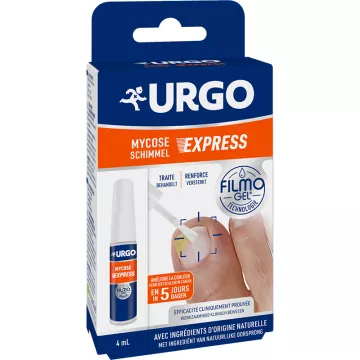
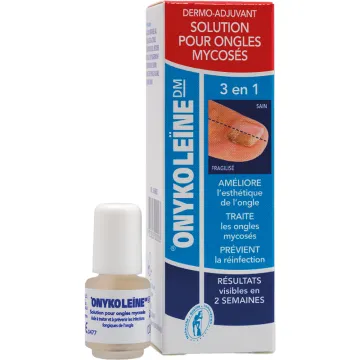
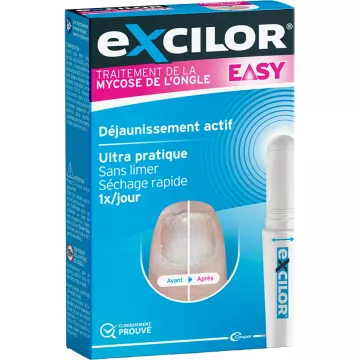
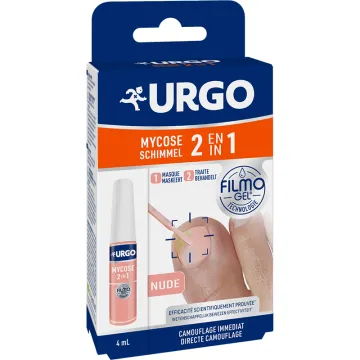
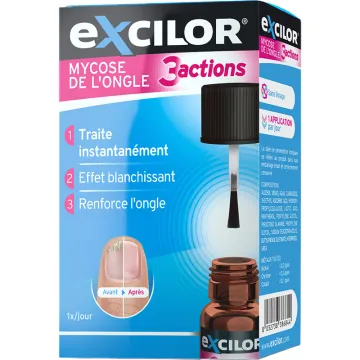
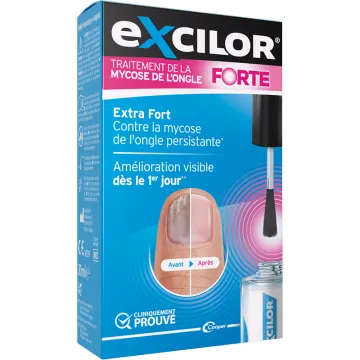
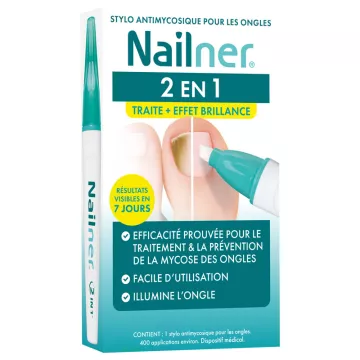
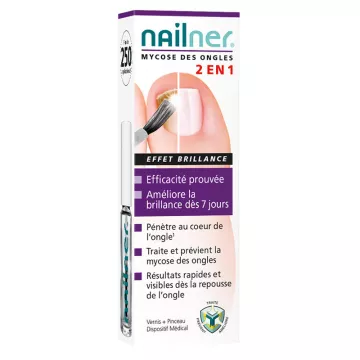
Thickened, discolored, or brittle nails? A fungal nail infection can quickly become a nuisance in your daily life. On Soin-et-Nature, discover targeted antifungal treatments designed to gently cleanse, relieve irritation , and help your nails regain a healthy appearance.
More detailsNail fungus, as well as foot fungus or “athlete’s foot,” is caused by a skin fungus. It usually occurs between the toes, on the nails, or on the soles of the feet.
“Athlete’s foot” is a specific form of foot fungus localized between the toes. This superficial fungal skin infection can affect the soles of the feet, the nails, and other areas of the skin beyond the feet. It can serve as a gateway for other infections, particularly bacterial ones. Heat and moisture promote the growth of the fungus.
Foot fungal infections are caused by a fungus called a dermatophyte. This fungus infects the skin and grows primarily between the toes. The fungus most often spreads indirectly when walking barefoot in warm, humid places such as swimming pools, locker rooms, saunas, gyms, and even one’s own bathroom. The fungus takes hold between the toes, then multiplies and spreads to the skin and nails in the case of a nail fungus.
Athlete’s foot is not serious, but it is very unpleasant and extremely contagious. An infected person who is not treated can spread the infection to other parts of their own body. They can also infect others. Nail fungus can worsen over time and is contagious. It is important to begin treatment as soon as the first signs of infection appear.
The first signs usually appear between the third and fourth toes or between the fourth and fifth. It is characterized by redness, often accompanied by severe itching or even a burning sensation. As the infection progresses, it can cause cracks, which may be painful, and small blisters (vesicles) may become visible.
If left untreated, a foot fungal infection can spread to all the toes. The infection can also affect the top and bottom of the foot, causing the soles to become thick and scaly. Toenails may also be affected, becoming thickened; they may initially turn white, then yellow or even black, and become brittle. The infection can very easily spread to other areas of the skin if the affected area is touched.
Our feet are veritable breeding grounds for fungi. Whether enclosed all day in shoes or exposed bare to the environment, they can be affected by fungal infections. Athlete’s foot most often causes cracking and itching between the toes, with small patches of skin peeling off. It can also cause dryness of the feet and blisters filled with fluid. Antifungal and/or antimycotic medications are applied topically to treat nail or foot fungus.
Certain treatments specifically designed for the feet, available at pharmacies and formulated to penetrate deep into the nail, can permanently eliminate the fungus responsible and prevent recurrence.
Nail fungus, or onychomycosis, is a fungal infection that primarily affects the toenails, although fingernails can also be affected. This condition is caused by microscopic fungi such as dermatophytes, yeasts (particularly Candida), or, more rarely, molds. It manifests as discoloration, thickening, and increased brittleness of the nail. Prompt and appropriate treatment is essential to prevent the spread of the infection and restore nail health.
Nail fungal infections thrive in warm, humid conditions, particularly in closed shoes or public places such as swimming pools and locker rooms. Minor injuries to the nails make it easier for fungi to penetrate. People with diabetes, those with weakened immune systems, or those who sweat excessively (hyperhidrosis) are at increased risk. Poor foot hygiene or sharing unsterilized manicure tools can also promote infection.
The infection often begins with a white or yellowish discoloration along the edge of the nail. Over time, the nail thickens, becomes opaque, and feels rough. It may crumble or partially detach from the nail bed (onycholysis). In some cases, redness or swelling around the nail may develop, causing discomfort or pain.
The diagnosis is based primarily on a visual examination of the nails. However, to confirm the presence of a fungal infection and identify the pathogen, a nail sample may be taken for laboratory analysis (direct examination or fungal culture). This step is particularly important in guiding the choice of treatment.
Soin-et-Nature offers a complete line of foot care products designed to meet your comfort, hygiene, and beauty needs. Here are the main categories available:
These foot care products, available at Soin-et-Nature, help ensure daily hygiene, comfort, and beauty, while meeting the specific needs of your feet.