Disinfectants: Your Best Ally Against Germs
In a world where viruses, bacteria, and fungi lurk on every surface, having effective disinfectants on hand is no longer a luxury—it’s a necessity. Whether at home, at work, at school, or on the go, it’s essential to be able to rely on solutions that protect, clean, and sanitize quickly and effectively.
This category includes everything you need to prevent infections, avoid cross-contamination, and maintain impeccable hygiene. Hand sanitizer, antibacterial sprays, virucidal wipes, antiseptic solutions for skin or surfaces… this is where it all starts for peace of mind in your daily life.
In this guide, we’ll explore the entire world of disinfectants together: their uses, the different forms available, the proper steps to follow, and even a few natural tips to boost your immune system in a gentler way.
A History of Protection: The Evolution of Disinfectants
Disinfectants aren’t a new invention. Their use dates back to ancient times, when essential oils, vinegar, or alcohol were already being used to clean wounds or sterilize medical instruments. Today, pharmaceutical technology has greatly refined these solutions to offer powerful, safe, and convenient formulas.
Modern disinfectants are the result of rigorous research, adhering to strict standards to ensure optimal antimicrobial efficacy. They play a key role in preventing epidemics, hospital-acquired infections, and even minor everyday contamination (such as after a subway ride or before a skincare routine).
In short, hand sanitizers embody the perfect blend of science and safety, and their use has become widespread far beyond the hospital setting: in our bags, on our desks, and at the heart of our health routines.
A Closer Look at the Available Disinfectant Lines
The term “disinfectant” encompasses a wide variety of formats, formulations, and uses. Here are the main product categories you’ll find in this section:
- hand sanitizers: perfect for hand hygiene, these alcohol-based gels (ethanol or isopropanol) are sometimes enriched with glycerin or moisturizing agents to prevent dry skin. They eliminate 99.9% of germs in just a few seconds, without water or soap.
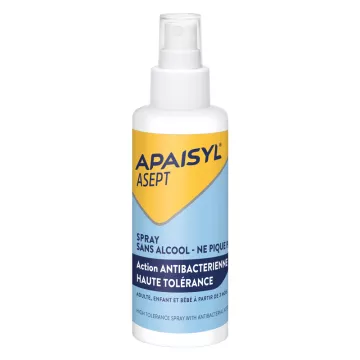
- surface disinfectant sprays: ideal for cleaning countertops, doorknobs, smartphones, and more. Their formula often containsfungicidal, virucidal, and bactericidal agents.
- Disinfectant wipes: extremely convenient for on-the-go use, they’re suitable for both hands and everyday objects. They’re soaked in an antiseptic solution and are gentle on the skin’s natural flora.
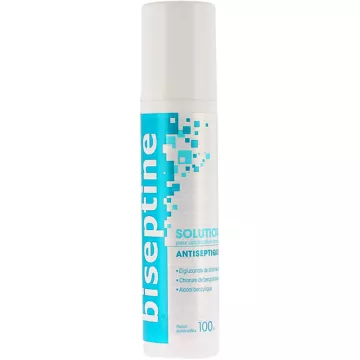
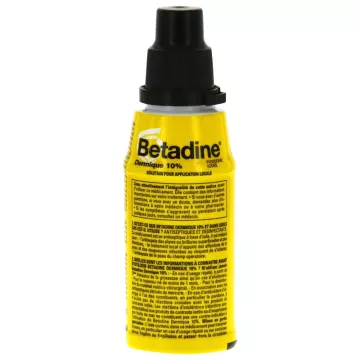
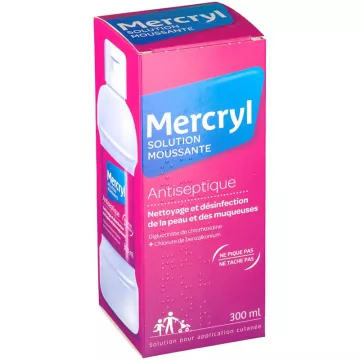
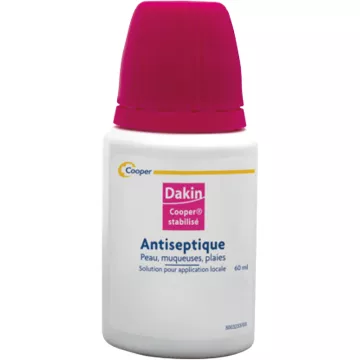
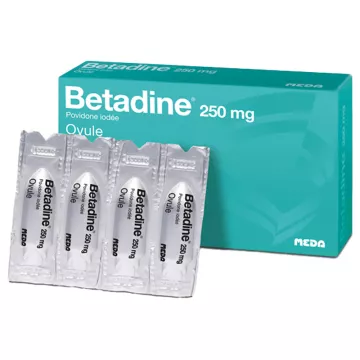
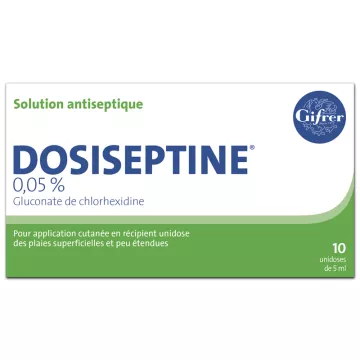
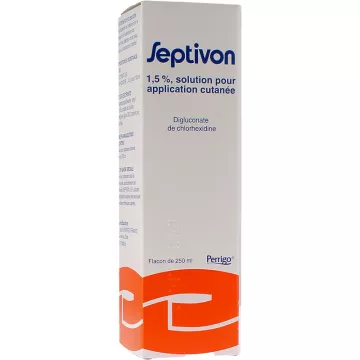
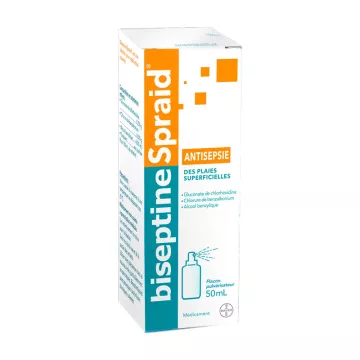
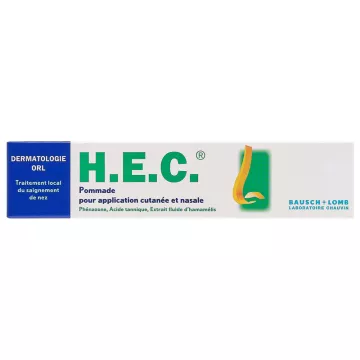
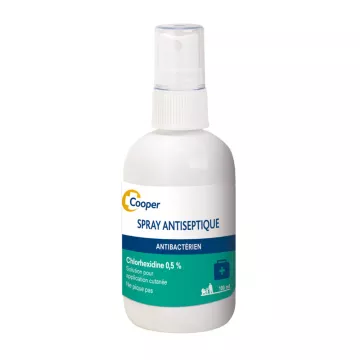
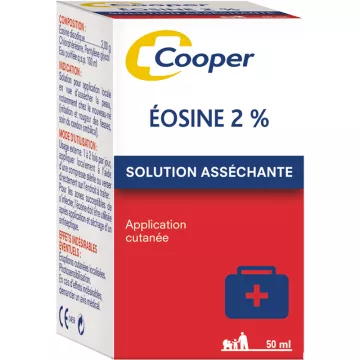
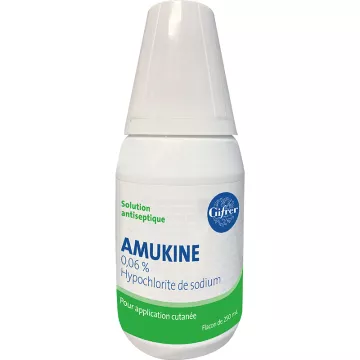
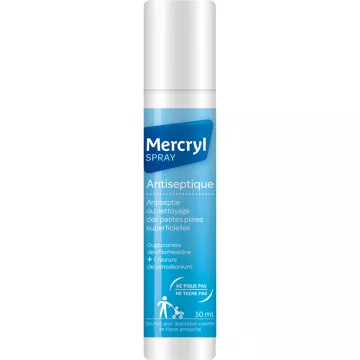
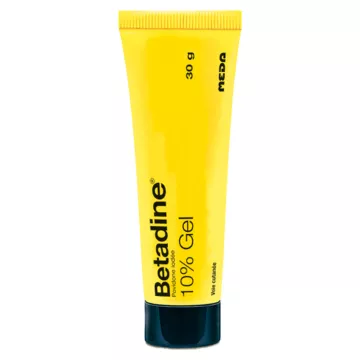
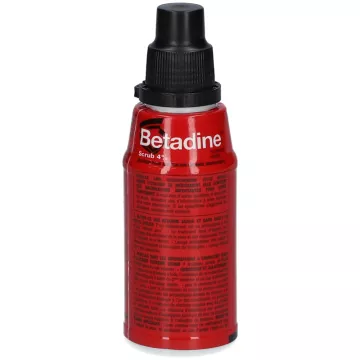
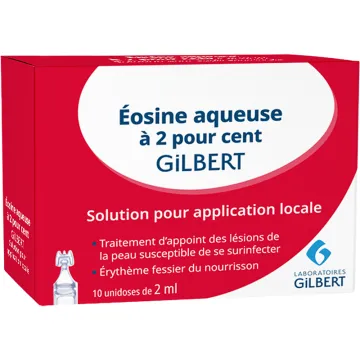
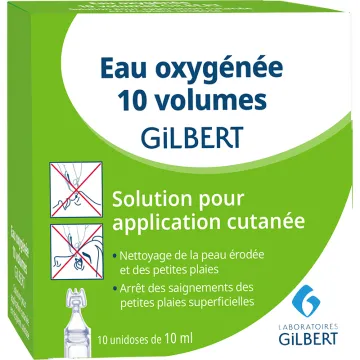
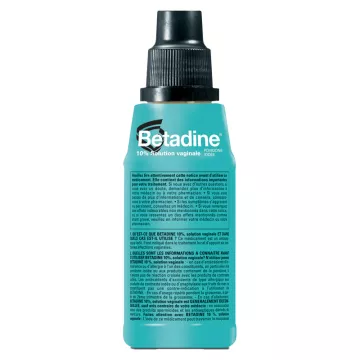
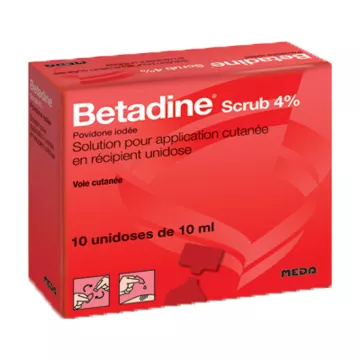
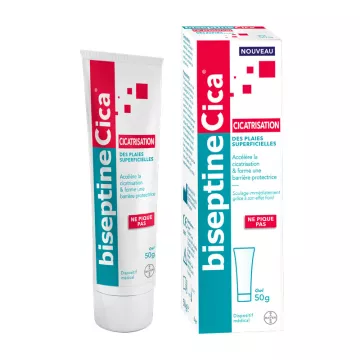
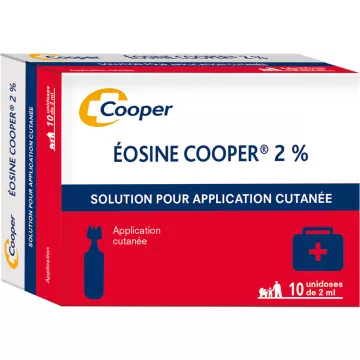
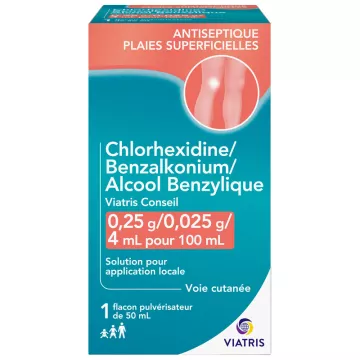
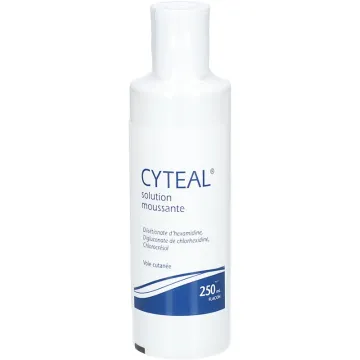
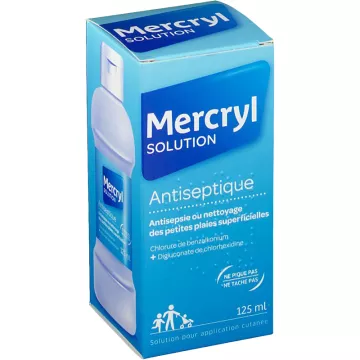
- Antiseptic solutions for the skin: chlorhexidine, modified alcohol, povidone-iodine… These products are used before an injection, a medical procedure, or after an injury to prevent local infections.
- Disinfectants for medical instruments: Often used in doctors’ offices or for home healthcare equipment (thermometers, glucose meters), they ensure thorough disinfection without damaging the materials.
- Disinfectant aerosols or room sprays: These help purify the air, particularly in confined spaces, by neutralizing airborne microorganisms.
Each format has its own advantages depending on the intended use. The key is to choose the right format for the right situation!
Best Practices for Effective Disinfection
Using a disinfectant is good. Using it correctly is even better! Here are a few simple tips to maximize the effectiveness of your products:
- Clean before disinfecting: A disinfectant isn’t always a substitute for a thorough cleaning. On a very dirty surface, start by removing visible residue with soap and water.
- Follow the contact time: Each product requires a certain amount of time to work fully (often between 30 seconds and 5 minutes). Don’t rinse too quickly!
- Make sure to cover the entire area to be treated: for hands, don’t forget your wrists, between your fingers, and under your nails. For objects, focus on the areas that are touched most frequently.
- Store your disinfectants away from heat: especially alcohol-based products, which evaporate quickly.
- Pay attention to the ingredients: some sanitizers can be irritating or drying. Opt for fragrance-free, hypoallergenic, or moisturizing formulas if you have sensitive skin.
Adopting these habits maximizes protection while being gentle on your skin and the environment.
Advice from your pharmacist: Choose the right hand sanitizer for your needs
As healthcare professionals, we often see patients torn between gel, spray, and wipes… Here’s what your pharmacist would like to tell you:
- For your hands: Choose a hydroalcoholic gel with at least 60% alcohol, ideally one that contains a moisturizing agent. If your skin is damaged, opt for a mild, alcohol-free antiseptic.
- For everyday items (phone, keyboard, keys): a virucidal spray or disinfectant wipes are more practical and leave no residue.
- Before a medical procedure or injection: Use antiseptic solutions specifically designed for the skin, such as chlorhexidine, as they prepare the skin without causing irritation.
- For children: There are gentler, alcohol-free formulas that are gentle on delicate skin while ensuring good hygiene.
- When traveling or in public places: wipes and small-sized gels are your best companions for quick hygiene.
And above all: always read the label! It tells you the product’s spectrum of activity (bactericidal, yeasticidal, virucidal, etc.), the shelf life after opening, and precautions for use.
What natural alternatives complement the action of disinfectants?
Because a good disinfectant cleans the outside, but your immunity starts on the inside, here are a few nature-inspired tips to complement your routine:
- Boost your microbiome: a healthy gut flora supports your natural defenses. Consider probiotics, soluble fiber, and a varied diet.
- Use essential oils: Some are naturally antibacterial and antiviral, such as eucalyptus radiata, tea tree, or ravintsara. Whether diffused or applied topically (diluted), they help purify the air or support the body.
- Focus on vitamin C and zinc: These two nutrients are essential for an effective immune response. They help your body defend itself against microbial attacks.
- Stay well-hydrated: Adequate hydration helps your mucous membranes (nose, throat, intestines) stay functional and filter out intruders.
- Ventilate your home every day, even in winter. Stale air is a breeding ground for germs. It’s better to open a window wide for 10 minutes than to leave it slightly ajar.
By combining good hygiene practices with a healthy lifestyle, you’ll increase your chances of staying healthy all year round.
A wide range of solutions for dermatological issues:
Our online pharmacy offers a complete range of dermatological products designed to treat various skin conditions, organized into several categories for optimal care: