Wound healing: a key process that should not be overlooked
Wound healing… It’s a term we often associate with a minor scrape or a slightly more serious injury. But in reality, it’s much more than that. It’s a natural, complex, and fascinating mechanism through which our body repairs its tissues after an injury. Whether it’s a cut, a burn, a post-surgical wound, or an everyday scrape, every injury deserves prompt and appropriate care to prevent complications and promote optimal healing.
Why pay so much attention to this process? Because improper care can slow healing, cause infections, or leave unsightly scars. The good news is that there’s now a wide range of wound-healing products available that naturally support and accelerate this process. At pharmacies or online drugstores, you can find targeted solutions for every type of wound, every skin type, and every need.
In this category, you’ll find practical information, expert recommendations, everyday tips, and even advice inspired by nature.
A Comprehensive Overview of Available Wound-Healing Solutions
The “wound healing” section is anything but monotonous. On the contrary, it’s brimming with specific, proven-effective products, each targeting a particular phase or issue in the healing process. Here’s an overview of the different product lines you can find here:
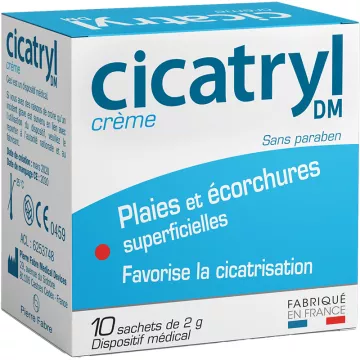
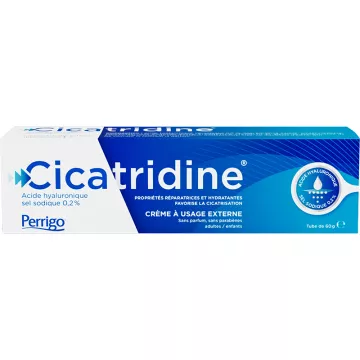
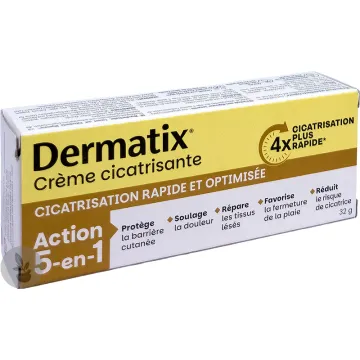
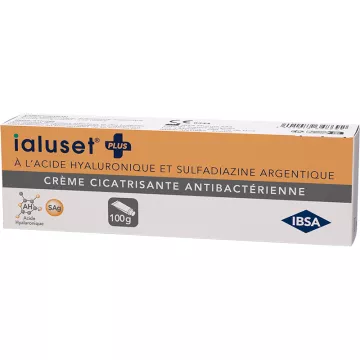
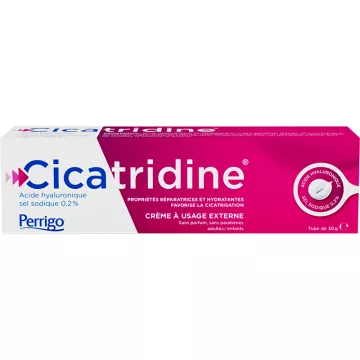
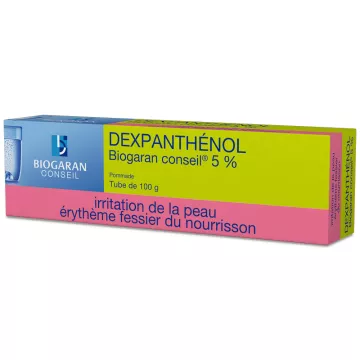
- healing creams and ointments: enriched with restorative agents such as panthenol, allantoin, or copper-zinc, they act like a second skin and help stimulate cell regeneration. They’re perfect for superficial cuts, scrapes, or minor burns.
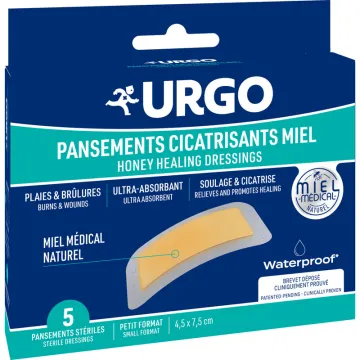
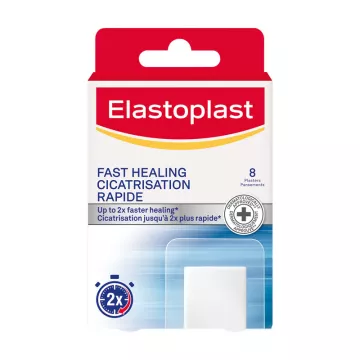
- Hydrocolloid or hydrogel healing dressings: These next-generation dressings maintain a moist environment conducive to healing while protecting the wound. They’re often used on blisters, exudative wounds, or skin ulcers.
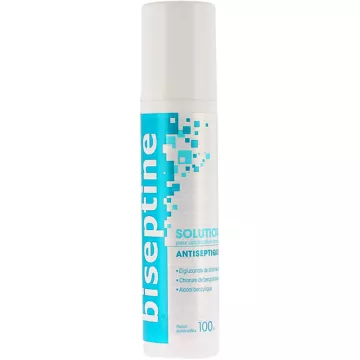
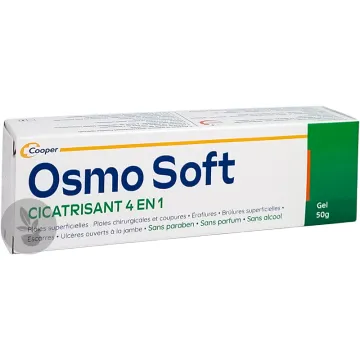
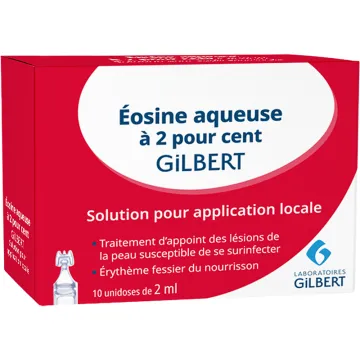
- Antiseptic healing gels: They combine antimicrobial action with a healing effect, preventing infections while accelerating tissue closure.
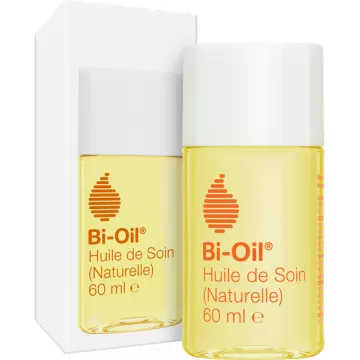
- Repairing oils or sprays: Easy to apply, they are suitable for sensitive or large areas. Some are enriched with essential oils or soothing natural active ingredients.
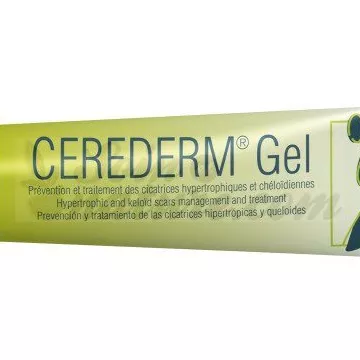
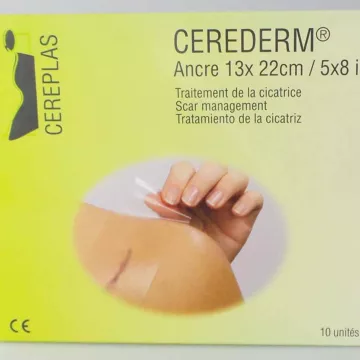
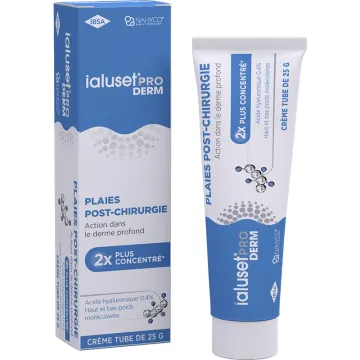
- Post-procedure healing serums: Designed for skin that has been weakened after surgery or a dermatological procedure, they help reduce inflammation, prevent scarring, and even out skin texture.
- Healing dietary supplements: zinc, vitamin C, collagen… these nutrients boost the production of healing fibers from within.
Each product addresses a specific stage of the healing process: cleansing, soothing, repairing, protecting… And you can combine them for even more effective results.
Simple Daily Habits to Promote Healing
People often think that a tube of cream is enough. In reality, the quality of healing depends as much on the product used as on the steps taken. Here are a few simple habits to adopt:
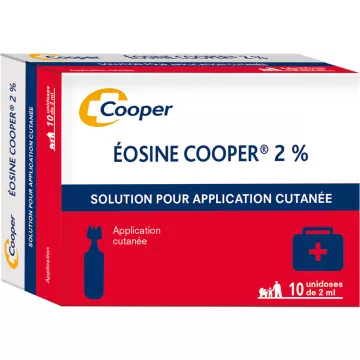
- Always clean the wound with a mild antiseptic or saline solution. Even a small cut can become infected.
- Keep the wound clean, dry, and well-protected during the first few days. Ideally, use a breathable bandage or an occlusive dressing, depending on the situation.
- Avoid exposing the area to the sun: UV rays are the enemy of fresh scars, as they can cause permanent discoloration.
- Moisturize the skin around the wound regularly, especially if it feels tight or itchy. Supple skin heals better.
- Never pick off a scab prematurely! It’s frustrating, but essential. Underneath the scab, the healing process is at work.
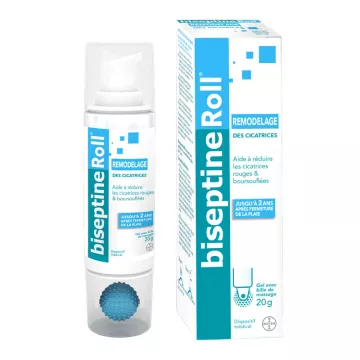
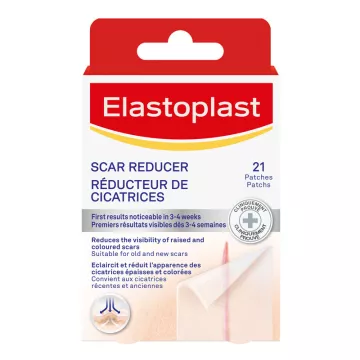
- Apply a scar treatment for several weeks, even after the wound has closed, to improve the skin’s appearance.
It’s the small, everyday actions that lead to beautiful scars. It’s a gentle yet effective routine to help the skin regenerate elegantly.
Your pharmacist’s advice: a personalized approach to healing
Not all wounds are the same. And neither are all patients. That’s where your pharmacist’s advice really comes into play. Here are a few tips a healthcare professional might give you at the pharmacy:
- For a recent, clean wound, choose a copper- and zinc-based healing gel or cream: these trace elements are valuable allies for accelerating regeneration without causing irritation.
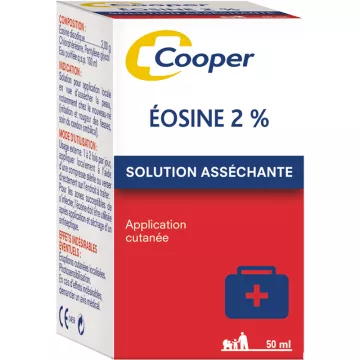
- For an infected or oozing wound, use an antiseptic solution followed by a suitable bandage. Avoid oil-based products in these cases.
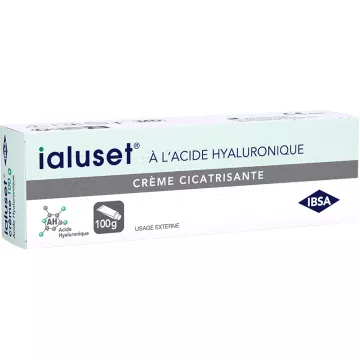
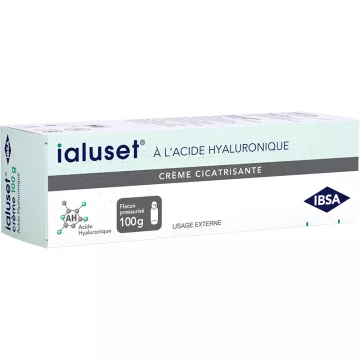
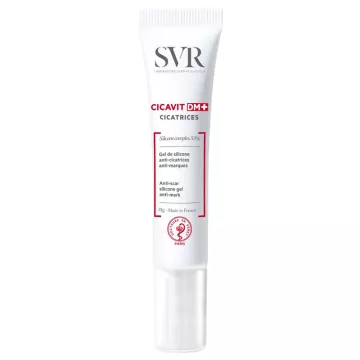
- For an old or hyperpigmented scar, look for specific post-healing treatments, which are often enriched with silicones, hyaluronic acid, or restorative plant extracts.
- Sensitive or atopic skin requires ultra-gentle care, free of fragrance and harsh preservatives.
- If the wound is slow to heal, seek medical advice. A chronic wound may be a sign of an underlying condition (diabetes, infection, etc.).
The right product, at the right time, for the right person: that’s the magic formula. And your pharmacist is there to help you apply it correctly.
Our naturopathic tips to naturally support healing
Nature has more than one trick up its sleeve to help the skin repair itself. If you want to support the healing process in a gentle and holistic way, here are a few approaches from naturopathy:
- medical-grade honey (such as Manuka honey): antibacterial, wound-healing, moisturizing… honey is an ancient remedy validated by modern science.
- Aloe vera: as a pure gel, it soothes inflammation, deeply moisturizes, and promotes tissue regeneration.
- Centella asiatica: This Asian plant has been used for millennia to repair damaged skin and stimulate collagen production.
- Essential oils (spearmint lavender, tea tree, rockrose): They have antiseptic and wound-healing properties. But be careful—they must be diluted and used with caution.
- Chamomile or lavender hydrosol: Gentle on sensitive skin, they soothe, purify, and prepare the skin for repair.
- Diet also plays a key role: prioritize foods rich in zinc, vitamin C, omega-3s, and protein to nourish the skin from within.
A calm mind, a nutritious diet, natural skincare… and your skin has everything it needs to regenerate beautifully.
A wide range of solutions for dermatological issues:
Our online pharmacy offers a complete range of dermatological products designed to address various skin conditions, organized into several categories for optimal care: