Use biocidal products with caution. Before use, read the label and product information.
When should you use this antifungal spray for your shoes?
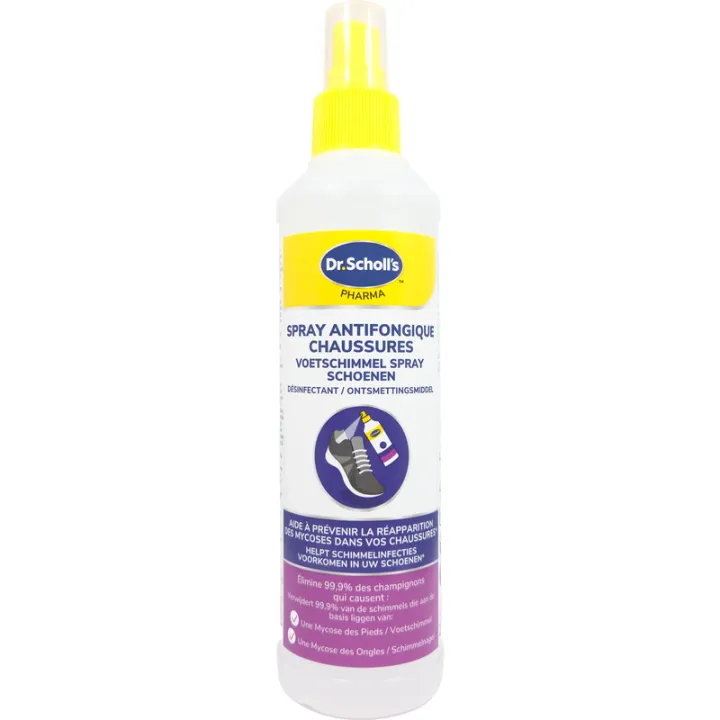
Dr. Scholl’s Antifungal Shoe Spray is a disinfectant that you spray inside your shoes to keep them hygienic. Its formula combines two quaternary ammonium compounds, commonly used disinfectants that work on the insole and lining.
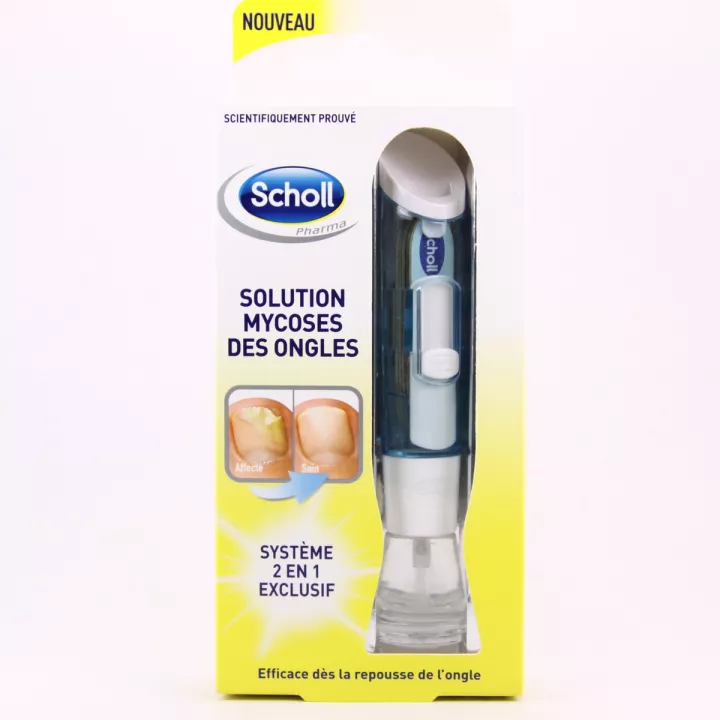
A closed shoe traps heat and moisture from the foot, creating an environment where athlete’s foot fungi thrive. The spray eliminates 99.9% of the fungi that cause athlete’s foot and nail fungus. It should be used in conjunction with your treatment for foot and nail fungal infections, whether it’s a skin treatment or one of the treatments for nails prone to fungal infections.
When used regularly, it helps prevent the recurrence of fungal infections in your shoes with continued use. Consistency is key: a pair of shoes disinfected only occasionally won’t retain the benefits of a single spray for very long.
It’s ideal for athletic shoes and sneakers worn barefoot—which trap heat and sweat—as well as for secondhand shoes, before wearing them for the first time.
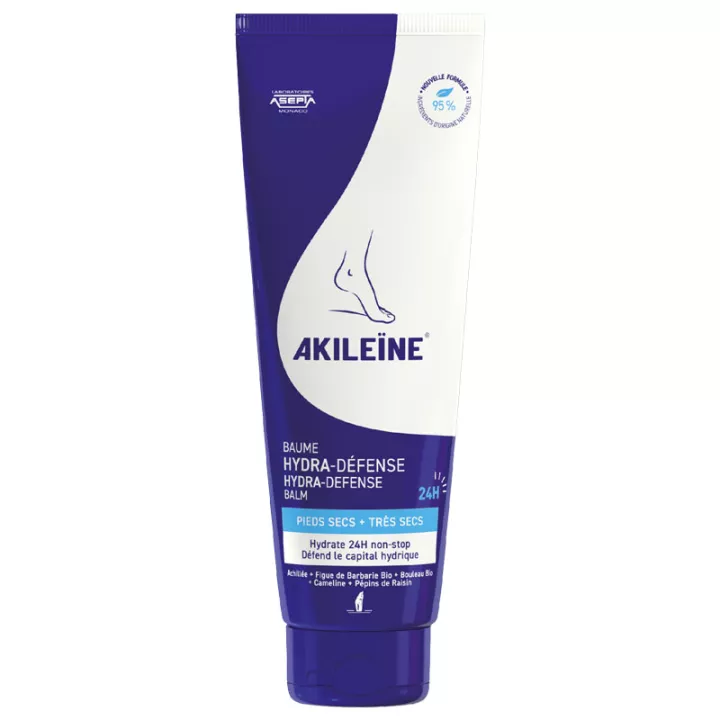
Moisture in the shoe comes primarily from the foot. To keep your feet dry once the skin has healed, we recommend using it in combination withAkiléine Black Anti-Perspirant Foot Spray, which reduces sweating. These two steps complement each other: one treats the foot, while the other treats the inside of the shoe, which dries more effectively between wears.
How do you use this shoe disinfectant?
Instructions for Use
Aim the spray toward the inside of the shoe, spray 2 or 3 times, then let it dry for 15 minutes before putting the shoe on. When you first start using it, spray all shoes you’ve worn recently, then spray the ones you’ve just worn every day.
Share your feedback on the usage instructions and dosage for Dr. Scholl’s Antifungal Shoe Spray with our partner “Verified Reviews” after your purchase.
Precautions
- For external use only. This disinfectant is meant to be sprayed inside shoes: do not spray it on the skin, feet, nails, or mucous membranes.
- Do not spray toward the face. If the product gets into your eyes, rinse thoroughly with clean water and seek medical advice if discomfort persists.
- Spray in a well-ventilated area, avoiding inhalation of the spray mist.
- If you have a known allergy to benzalkonium chloride or quaternary ammonium compounds: avoid any contact of the product with the skin.
- People with diabetes, circulatory disorders, or neuropathy: Any cracks, sores, or redness between the toes, as well as any thickened or discolored nails, require medical advice or consultation with a podiatrist before treatment.
- Always read the label before use. If you consult a doctor, have the container or label available.
- If accidentally swallowed, contact a poison control center.
- Avoid releasing into the environment. Dispose of the contents and container in accordance with local regulations.
- Store between 5 and 25 °C, away from sunlight. Keep out of reach of children.
What are the ingredients in this antifungal disinfectant spray?
Active Ingredients
Per 100 g of product: Alkyl (C12-16) dimethylbenzyl ammonium chloride (CAS 68424-85-1) 0.166 g, Didecyldimethylammonium chloride (CAS 7173-51-5) 0.084 g.
Tested against: Trichophyton, Candida C. brasiliensis, Pseudomonas aeruginosa, Escherichia coli, Staphylococcus aureus, Enterococcus hirae.
Packaging
250-ml spray bottle.
Our Expert Advice on Dr. Scholl’s Antifungal Shoe Spray
At the counter, we often see fungal infections that return despite proper treatment, because one pair of shoes was missed during disinfection. The ones that get left out are almost always the same: slippers, last winter’s boots, and the spare pair left at the office. Make a list of them before your first application—this step will determine the outcome.
When it comes to daily wear, alternate between two pairs if possible: a pair of shoes that gets a full day’s rest has time to dry, while a pair worn every day stays damp. And before you turn to disinfection, get the fungal infection confirmed: itchy redness between the toes isn’t always caused by a fungus, and a damaged toenail warrants a swab test before any treatment.
FAQ
Can I treat my foot fungus with Dr. Scholl’s Antifungal Shoe Spray alone?
No. This disinfectant works inside shoes, not on skin or nails that are already affected. The fungal infection itself requires treatment tailored to the affected area—such as a cream, solution, or nail polish—as recommended by a pharmacist or prescribed by a doctor.
How long should I use Dr. Scholl Antifungal Shoe Spray?
At least for the entire duration of the fungal infection treatment. The fungus can survive for several months in a shoe, even after treatment is complete, and cause a new infection; therefore, disinfection should not stop the day the skin appears to be healed.
Can I spray Dr. Scholl Antifungal Shoe Spray on my socks?
The instructions are intended for use only on the inside of shoes. Socks should be changed daily and washed in the washing machine; when you have a fungal infection, cotton or wool—which allow the foot to breathe better—are the best choices.