What is a moisture-control product, and how does it differ from a deodorant?
In cosmetics, the term “anti-moisture” refers to formulations that reduce skin moisture—primarily antiperspirants and absorbent powders. They differ from deodorants in one fundamental way: a deodorant masks or neutralizes odors without affecting perspiration itself, whereas an antiperspirant reduces sweat production by acting on the sweat glands.
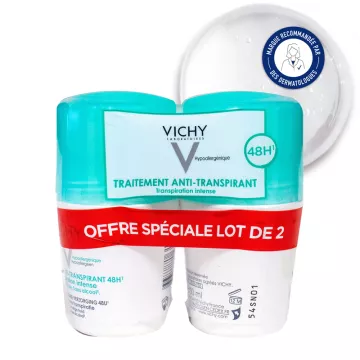
- Antiperspirant (anti-moisture): contains aluminum salts (aluminum chlorohydrate) that form a deposit in the sweat ducts and limit the flow of sweat—reducing perspiration by 20 to 50 percent, depending on the concentration
- Simple deodorant: neutralizes odor-causing bacteria without blocking perspiration—alcohol, zinc, baking soda, essential oils—see our deodorant page
- Combination deodorant and antiperspirant: both actions in a single formula—the best-selling type on the market
- For cases of excessive sweating, our hyperhidrosis page details specific medical and over-the-counter solutions
Aluminum salts in antiperspirants: what does the science say?
Aluminum salts are the most effective moisture-control ingredients available without a prescription—and the most controversial. The ANSM and the European Commission have established regulated concentration limits for their use in cosmetics.
- Maximum permitted concentration (EC 1223/2009): 10.6% anhydrous aluminum chlorohydrate in roll-on deodorants, 6.25% in spray deodorants—above these levels, use is restricted to medical purposes by prescription
- Controversy regarding links to breast cancer and Alzheimer’s disease: epidemiological studies to date (ANSES 2020) have not established a proven causal link—exposure should still be monitored, especially on broken skin (after shaving)
- ANSM Precautionary Advice: Do not apply to irritated skin, skin that has been shaved within the last 24 hours, or broken skin—avoid high concentrations in children and pregnant women
- Aluminum-free alternatives: natural deodorants (baking soda, alum, zinc, essential oils)—less effective against sweating but without exposure to aluminum salts
What moisture-control solutions are available for sensitive and reactive skin?
Sensitive skin often does not tolerate conventional antiperspirants well—alcohol, aluminum salts, and fragrances are the three main causes of underarm irritation. Our organic deodorant line offers alternatives formulated for these skin types.
- Alcohol-free formulas: replace alcohol with glycerol or an aqueous gel—significantly less irritating on areas that have recently been waxed
- Alum (potassium aluminum sulfate): a natural aluminum salt with low skin absorption—well-tolerated by sensitive skin—bacteriostatic without blocking sweat glands
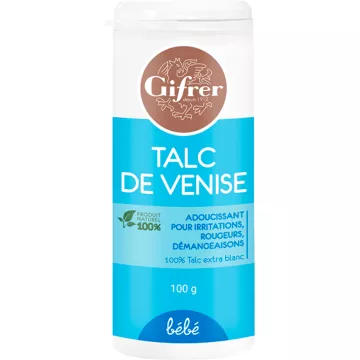
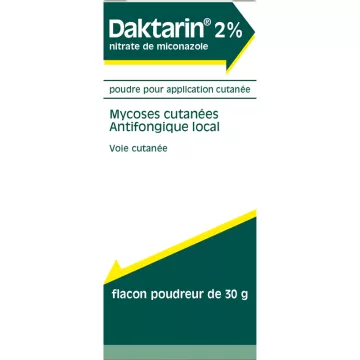
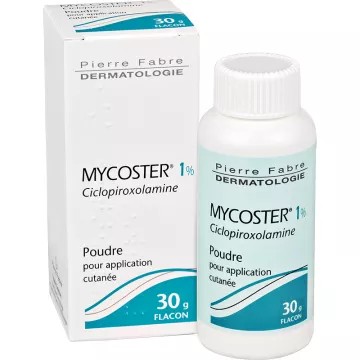
- Absorbent powders (cornstarch, vegetable talc, kaolin clay): mechanically absorb skin moisture without chemical actives—useful for skin folds, feet, and areas prone to friction
- Zinc-based deodorants: effective bacteriostatic action, well-tolerated—less potent than aluminum salts but with no usage restrictions
- For intensive athletic use: clinical formulas with higher aluminum concentrations — apply in the evening to clean, dry skin
How do you use an antiperspirant correctly to maximize its effectiveness?
The timing and method of applying an antiperspirant directly determine its effectiveness—information rarely specified in dailyhygiene routines.
- Apply in the evening to dry, clean skin (after showering and drying thoroughly): sweat glands are less active at night—the aluminum layer has time to form before the day begins
- Do not apply immediately after shaving or hair removal—wait at least 24 hours to avoid irritation on damaged skin
- Skin must be completely dry: residual moisture dilutes the product and reduces its effectiveness—dry thoroughly after showering before applying
- Use strong formulas less frequently: 2 to 3 times a week is sufficient for clinical antiperspirants—the effect lasts 48 to 72 hours
- For persistent body odor despite using an antiperspirant: check your diet (garlic, spices), the quality of your clothing fabrics, and consider a dermatological evaluation