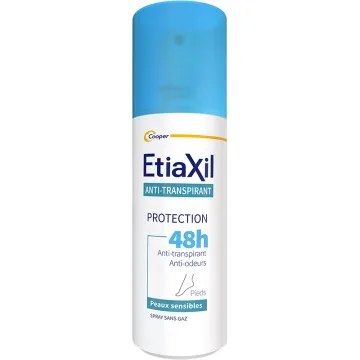
How does deodorant work, and how is it different from an antiperspirant?
A deodorant works on odors, not on the amount of sweat—that’s the fundamental difference from an antiperspirant. Sweat itself is virtually odorless; it is skin bacteria that break it down into fatty acids and ammonia, which cause unpleasant odors. A deodorant neutralizes these bacteria or masks odors without blocking the sweat glands.
- Basic deodorant: antibacterial active ingredients (alcohol, zinc, baking soda, triethyl citrate) + fragrance—reduces odors without affecting perspiration
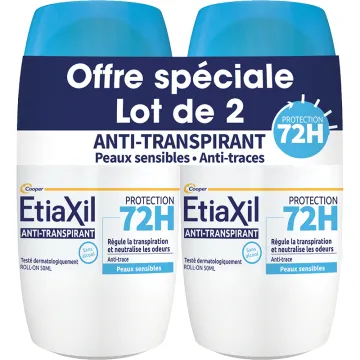
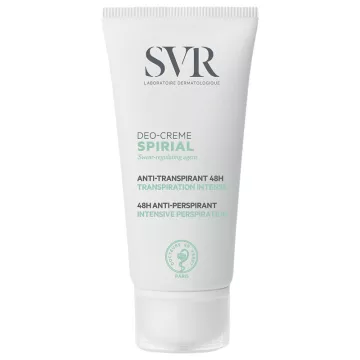
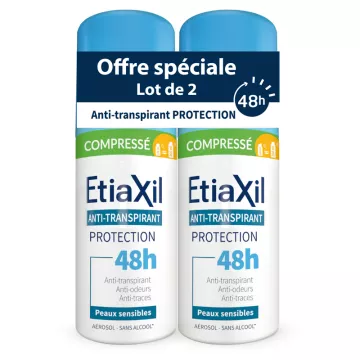
- Antiperspirant: aluminum salts that temporarily block sweat ducts — reduces both sweat and odors — see our antiperspirant page for formats and precautions
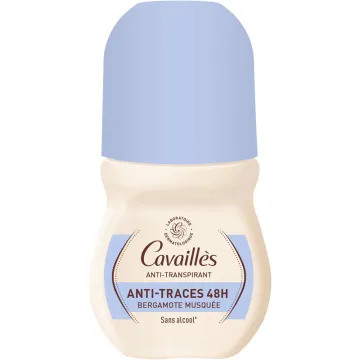
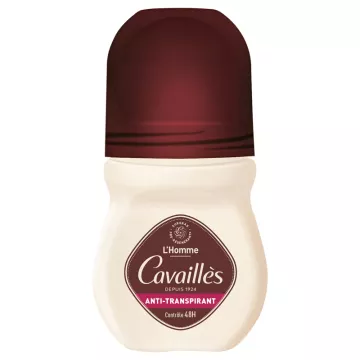
- Combination deodorant-antiperspirant: the best-selling format — combines both actions in a single formula
- Excessive sweating (hyperhidrosis): Our hyperhidrosis page covers specific solutions beyond traditional deodorants
How to Choose a Deodorant Based on Your Skin Type?
Deodorant is applied daily to a particularly sensitive area—the choice of formula must take into account both skin type and effectiveness.
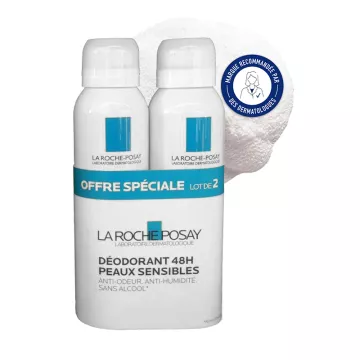
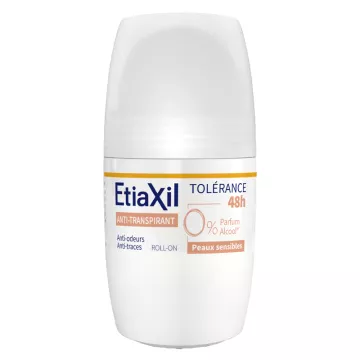
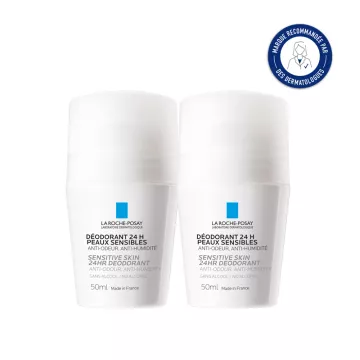
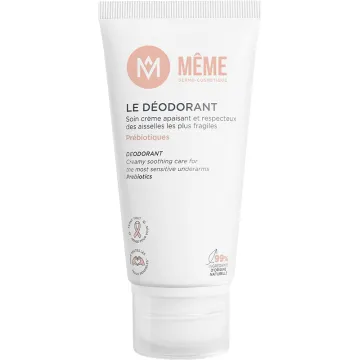
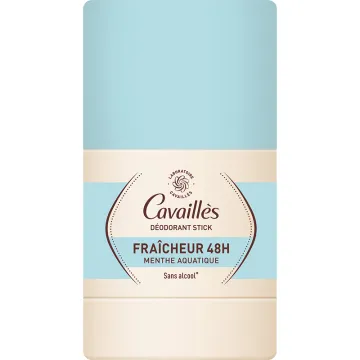
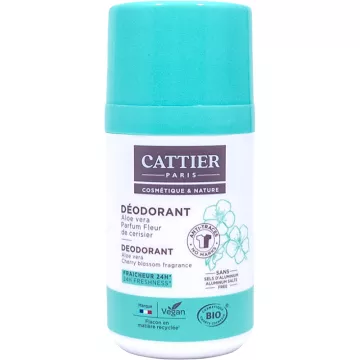
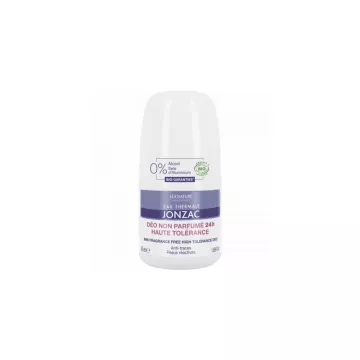
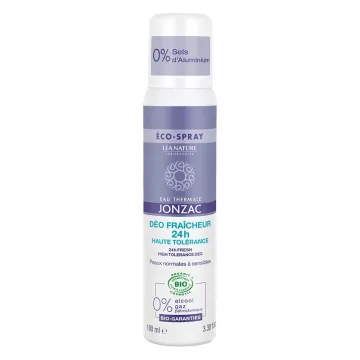
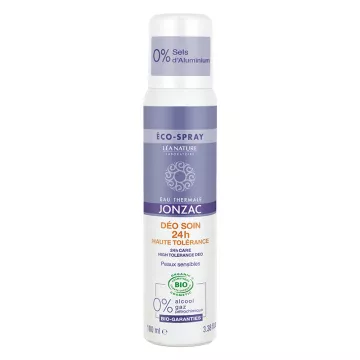
- Sensitive and reactive skin: alcohol-free (the leading cause of underarm irritation), fragrance-free, baking soda-free (may cause irritation over time)—gentle active ingredients: zinc, triethyl citrate, probiotic actives
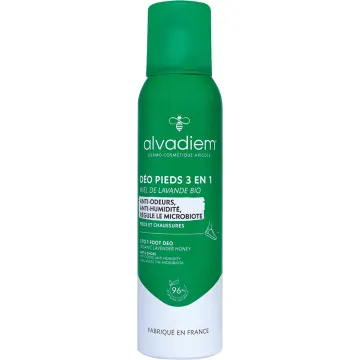
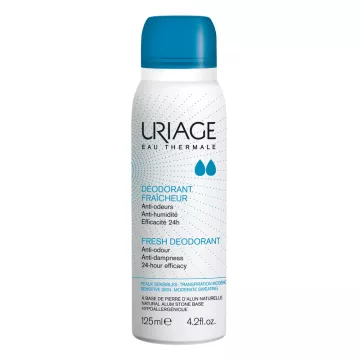
- Normal skin: wide range of formats—roll-on, stick, spray—main criteria: skin tolerance and desired duration of effectiveness
- Intense athletic activity: sports deodorant or clinical antiperspirant formula — 48–72-hour protection, resistant to heavy sweating
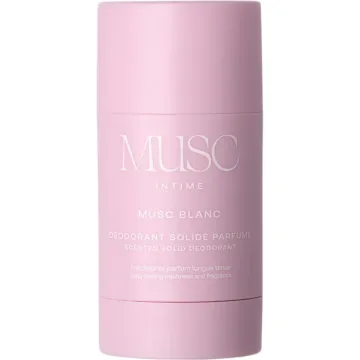
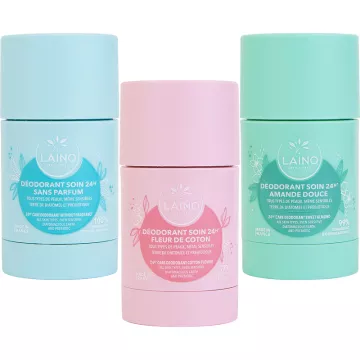
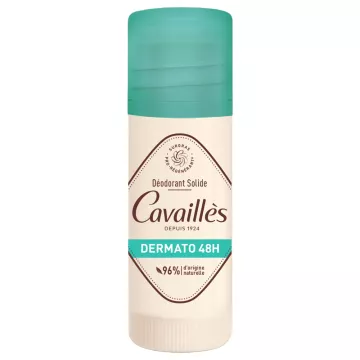
- Skin that doesn’t tolerate solid formats well (feels like white residue): water-based roll-on or spray — sticks often contain waxes that can leave marks on dark clothing
Natural deodorant or conventional deodorant: which to choose?
The market for natural and organic deodorants has grown significantly—with varying levels of effectiveness depending on the active ingredient and individual sweat production.
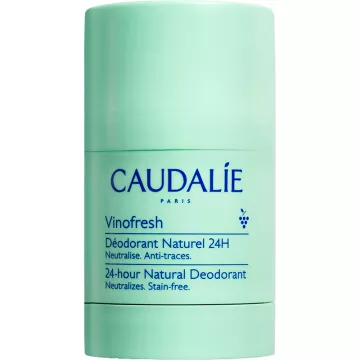
- Baking soda: very effective against odors, a natural antibacterial — may irritate sensitive skin (alkaline pH) and weaken the underarm skin barrier over time — test for one week before regular use
- Alum stone: bacteriostatic, well-tolerated by reactive skin —no real antiperspirant effect—effective for moderate sweating
- Zinc ricinoleate: molecularly traps odor-causing molecules—the best natural anti-odor active ingredient without direct antibacterial action—found in the best organic formulas
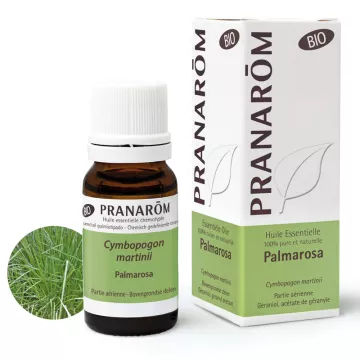
- Essential oils from our “Essential Oils and Sweating” line: tea tree, lavender, palmarosa — natural antibacterials — always diluted in a carrier oil, never applied undiluted to underarm skin
When and how should you apply your deodorant properly?
How you apply it determines the deodorant’s effectiveness and skin tolerance—simple rules that are often overlooked in dailyhygiene routines.
- Apply to clean, completely dry skin—residual moisture dilutes the active ingredients and can cause irritation (especially with alcohol)
- After shaving or hair removal: wait at least 24 hours before applying—damaged skin absorbs active ingredients and irritants more readily
- Preferably in the evening for antiperspirants—sweat glands are less active at night, and the aluminum deposit has time to form
- Avoid staining clothes: let it dry for 2–3 minutes before getting dressed—water-based roll-on formulas stain less than wax-based sticks
- Perform a sensitivity test for any new product: apply to the inside of your wrist and leave on for 24 hours—stop use if redness or itching occurs