What is the difference between focal and generalized hyperhidrosis?
Not all formsof hyperhidrosis are the same—distinguishing between focal and generalized hyperhidrosis is the first diagnostic step, as it points to very different causes and treatments. For comprehensive medical management (stepwise treatments, botulinum toxin, iontophoresis), see our hyperhidrosis page.
- Focal (primary) hyperhidrosis: excessive sweating localized to specific areas—palms, soles of the feet, armpits, face—bilateral and symmetrical—with no identifiable cause—often begins in adolescence—hereditary in 30–50% of cases
- Generalized (secondary) hyperhidrosis: excessive sweating that is diffuse across large areas of the body—often occurring at night—a sign of an underlying cause that requires investigation (thyroid dysfunction, diabetes, lymphoma, infection, medication)
- Distinguishing factor: Primary hyperhidrosis generally does not occur during sleep —profuse night sweats suggest a secondary cause
- Seek urgent medical attention if: sudden onset of excessive sweating in an adult with no prior history, accompanied by weight loss, fever, or palpitations
How is hyperhidrosis diagnosed?
The diagnosis is primarily clinical—but a few simple tests can objectively confirm and map the excessive sweating, which guides treatment selection and the request for medical management.
- Iodine-starch test (Minor’s test): apply iodine to the affected area, sprinkle with starch—sweat causes a blue-violet reaction that precisely highlights the active areas—used before a botulinum toxin injection to target the areas
- HDSS (Hyperhidrosis Disease Severity Scale) questionnaire: assesses the impact on daily activities on a scale from 1 (never bothersome) to 4 (always intolerable)—the score guides the intensity of the recommended treatment
- HDSS score ≥ 3: moderate to severe hyperhidrosis warranting specialized medical care—dermatologist as the first line of care
- Targeted blood work if a secondary cause is suspected: TSH, fasting blood glucose, complete blood count (CBC)—to rule out metabolic or infectious causes
What psychosocial impact can hyperhidrosis have?
Hyperhidrosis is a condition whose emotional impact is often underestimated—social embarrassment can be as debilitating as the sweating itself and requires comprehensive management. Associated odors amplify social anxiety.
- Anticipatory anxiety: The fear of sweating in public creates a vicious cycle—stress stimulates the sweat glands and worsens sweating
- Professional impact: avoiding jobs that require handshakes, presentations, or manual labor—restricted career choices
- Social and emotional isolation: reduced physical contact, constant discomfort with clothing, avoidance of hot or stressful situations
- Psychological support: cognitive-behavioral therapies (CBT) proven to break the anxiety-sweating cycle—specialized support groups
- Effectively treated hyperhidrosis significantly improves quality of life—a dermatology consultation can often help resolve situations that feel hopeless
How can you adjust your daily routine while waiting for or in addition to treatment?
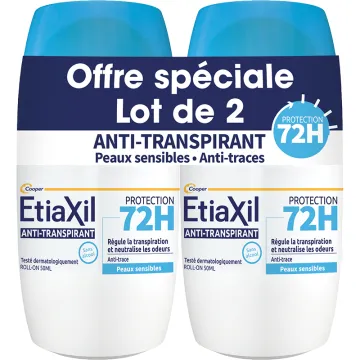
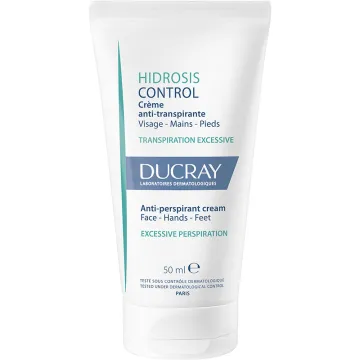
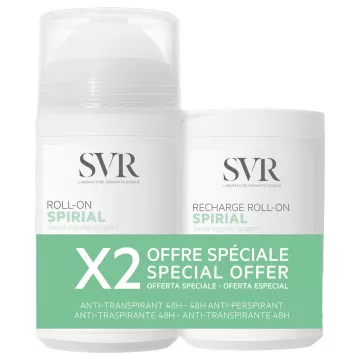
While waiting for medical treatment or in addition to available solutions such as deodorants and antiperspirants, several practical adjustments can significantly reduce daily discomfort.
- Clothing made of breathable natural fibers (cotton, linen, lightweight merino wool)—synthetic fibers trap moisture and amplify odors
- Dark-colored or patterned clothing—better at concealing sweat stains than light or gray colors
- Disposable or washable absorbent underarm pads: discreet fabric protection—convenient for work settings
- Sage herbal tea (EMA): a well-documented natural supplement for mild cases—2 cups per day—not recommended for pregnant women
- Diet: Reduce caffeine, alcohol, and spicy foods—triggers that increase sweating from the apocrine and eccrine glands