Common sage, clary sage, or white sage: What’s the difference in herbal medicine?
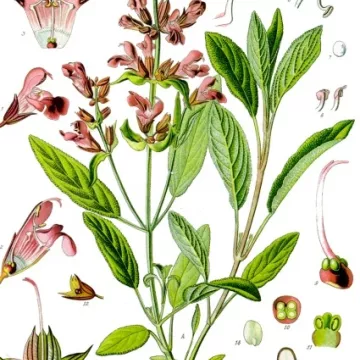
Common sage (Salvia officinalis) is the medicinal sage listed in the European Pharmacopoeia—recognized by the EMA/HMPC for menopause and oral hygiene. Clary sage (S. sclarea) is the sage used in emotional and hormonal aromatherapy—milder and free of the thujone issue. White sage (S. apiana) is a North American ceremonial plant—it has no validated phytotherapeutic uses.
The main practical difference between common sage and clary sage: common sage contains thujone (a neurotoxic ketone)—which makes it very effective but strictly limited in duration and dosage. For essential oil applications, clary sage is often preferable—see our page on clary sage.
What are the uses of common sage recognized by the EMA?
Two uses are the best documented and recognized by the European Pharmacopoeia.
Hyperhidrosis and menopausal hot flashes: this is the primary indication for common sage. The EMA/HMPC recognizes the traditional use of sage leaves for excessive sweating and to support menopausal comfort. Standardized dry extract in capsules is the most commonly used form for this purpose—herbal tea is an option but is less concentrated.
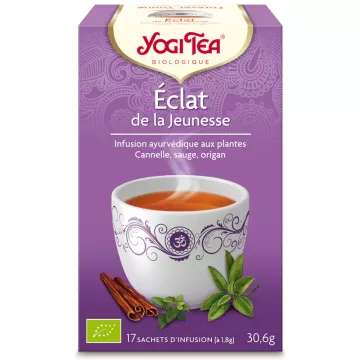
- Herbal tea: 1 c.c. of dried leaves in 250 mL of water at 90°C, steep for 10 min—1–2 cups per day—4–8-week course of treatment
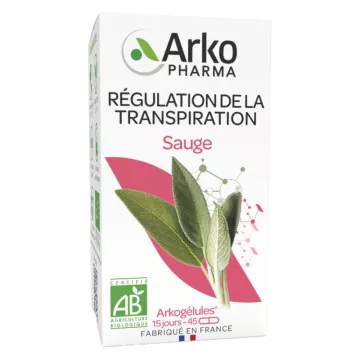
- Standardized extract capsules: the most effective form for hot flashes—follow the manufacturer’s recommendations
- Do not exceed 2–3 months of continuous use—the accumulation of thujone requires breaks
Oral hygiene: The tannins and rosmarinic acid in sage have an astringent and purifying effect on the oral mucosa—the EMA also recognizes this use.
- Gargle: strong infusion (2 c.c. per 200 mL, steeped for 15 minutes), cooled — 2–3 times a day for sensitive gums and canker sores
- Naturalmouthwash: supportsfresh breath and gum health
Common sage and digestive comfort?
A well-established traditional use—sage is carminative and mildly antispasmodic.
- Herbal tea after meals: slow digestion, bloating, and heaviness—1 cup after a meal—more aromatic and slightly bitter
- Sage + St. John’s wort in a blended herbal tea: for people with stress-related functional digestive disorders—the two plants complement each other
- Common sage is not recommended for acid reflux or gastritis—it stimulates gastric secretions
What are the absolute precautions for common sage?
The thujone in common sage requires some of the strictest precautions in herbal medicine.
- Pregnant and breastfeeding women: contraindicated—thujone is abortifacient and sage inhibits lactation
- Epilepsy: contraindicated—thujone is a ketone that lowers the seizure threshold
- Hormone-dependent diseases (breast cancer, endometrial cancer): consult a healthcare professional—sage has a phytoestrogenic effect
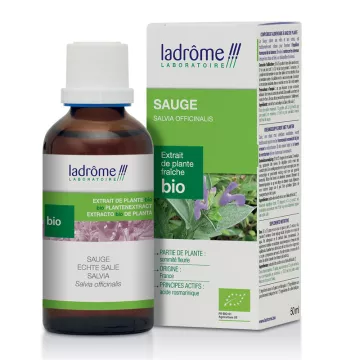
- Salvia officinalis essential oil: for internal use only under the supervision of a qualified professional—thujone in concentrated essential oil is dangerous without supervision
- Treatment duration: 3 months maximum, mandatory break—never use daily without interruption
- Herbal tea: well tolerated in reasonable doses, but observe the required breaks as with extracts