What is Common Sage Used For?
Common sage, native to the Mediterranean region, is used in both cooking and medicine. Its Latin name, Salvia, means “she who saves,” a reference to its many benefits. In addition to common sage, other species such as clary sage and Spanish sage are also used, although they contain less thujone, a potentially toxic substance.
The main uses of sage include relieving digestive issues, such as bloating and gas, as well as regulating sweating, particularly during menopause. Its anti-inflammatory and antiseptic properties also make it effective against inflammation of the mucous membranes, providing support in cases of viral infections.
Common sage is recognized for its role in aiding recovery, relieving menstrual cramps, stimulating bile production, and even improving memory. When applied topically, it is used to disinfect minor wounds. Gargling with a sage decoction is often recommended to combat dental plaque.
Common sage is a plant rich in active compounds. Its leaves contain flavonoids, diterpenes, triterpenes, and phenolic acids, which contribute to its anti-inflammatory, antiseptic, and antioxidant effects. This composition allows it to effectively treat several conditions.
Its beneficial effect on stomachaches and indigestion is largely due to its flavonoids and essential oils. The phenolic acids present in sage are responsible for its anti-inflammatory action, which is essential for soothing irritation of the mucous membranes. Furthermore, studies have shown that sage can improve memory and help manage anxiety.
When it comes to women’s health, common sage is particularly helpful for relieving menopausal symptoms. Its phytoestrogenic properties help regulate hormonal fluctuations, thereby reducing hot flashes and mood swings.
This plant is also beneficial for digestion. Thanks to its antispasmodic properties, it helps soothe digestive disorders, providing essential digestive comfort. By incorporating sage into your diet, you may experience a real improvement in your gut health.
Finally, common sage is a true treasure trove of health benefits. Its effects aren’t limited to digestion and menopause. It also contributes to oral health and reduces the risk of chronic diseases, thereby strengthening your immune system.
At Iphym Laboratories, we also offer Chopped Willow Bark at the best price in our online pharmacy.
How should you use this herb?
To enjoy the benefits of common sage, steep 1 to 3 g of dried leaves in a cup of boiling water for ten minutes. The recommended dose is three cups per day for internal use. For topical applications, such as gargling, you can use the preparation up to five times a day. Note, however, that the daily intake of thujone should not exceed 3 mg, and this should be limited to a maximum of two weeks.
Share your feedback on the usage instructions and dosage of Common Sage with our partner Verified Reviews after your purchase.
Precautions
Common sage should not be used by people with epilepsy. At the recommended dose, side effects are rare, although nausea and vomiting may occur in the event of an overdose. Excessive consumption—more than 15 g of dried leaves—may cause hot flashes, a rapid heartbeat, dizziness, and seizures.
The European Medicines Agency also recommends caution for people driving vehicles or operating machinery, due to a potential effect on alertness.
In addition, it is best to avoid sage during pregnancy and while breastfeeding, except for culinary use. Finally, its use in children and adolescents under the age of eighteen is not recommended.
What is its composition?
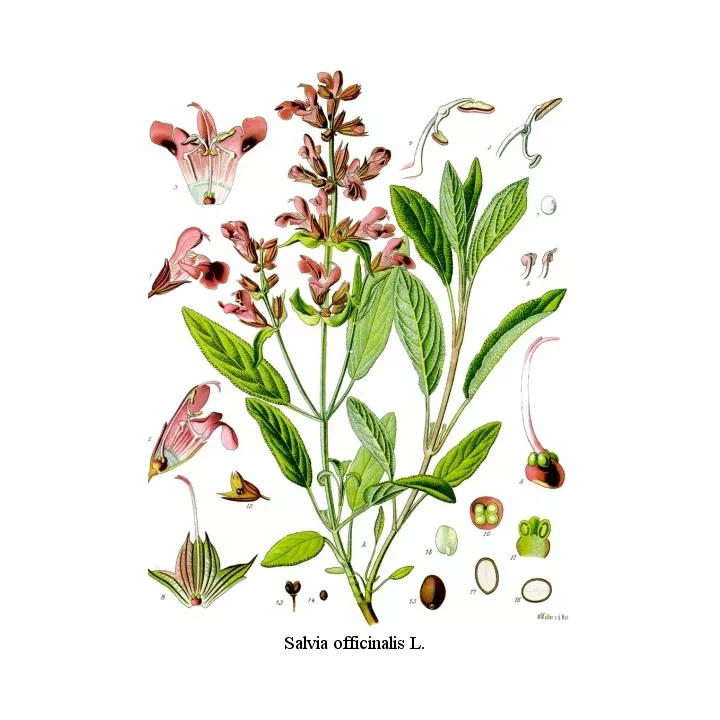
Latin name: Salvia officinalis L.
Family: Lamiaceae
Common names: Common sage, Sacred herb, European tea
Parts used: Leaves
Origin: Mediterranean region
Active ingredients: Essential oil, tannins, diterpenes, flavonoids, triterpenes
Product Description
Common sage is available in several sizes: 100 g, 250 g, or 1 kg, to meet your specific needs.