Where do unpleasant body odors really come from?
Body odor does not come directly from sweat—fresh sweat is virtually odorless. It is the bacteria on the skin that break down the components of sweat into volatile fatty acids and ammonia, which are responsible for the characteristic odor. Understanding this mechanism fundamentally changes the approach to solutions, whether it’s a simple deodorant or a more targeted treatment.
- Eccrine glands: produce watery, saline sweat—which has little odor on its own—found throughout the body, with a high concentration on the feet and hands
- Apocrine glands: concentrated in the armpits and groin area—produce sweat rich in proteins and fatty acids—the preferred substrate for odor-producing bacteria
- The axillary skin microbiome varies from person to person—two people may sweat the same amount but have very different odors depending on their dominant bacterial flora
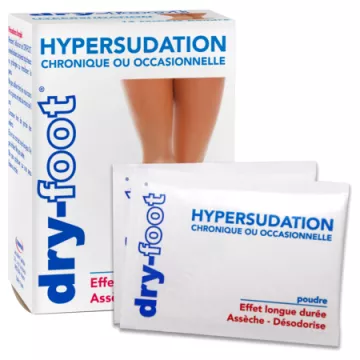
- Persistent odors despite using deodorant: check whether sweating is excessive (see our hyperhidrosis page) or if other factors are at play
What factors worsen body odor?
Beyond dailypersonal hygiene, several internal and external factors influence the intensity and nature of body odors.
- Diet: garlic, onions, spices (cumin, curry), alcohol—their sulfur-containing and volatile compounds are eliminated through sweat after metabolism—a noticeable reduction occurs within 24–48 hours after stopping consumption
- Medications: Certain antibiotics, antidepressants, and penicillins alter the skin microbiome or are partially excreted through sweat
- Stress and emotion: Emotional sweat comes mainly from the apocrine glands (underarms)—richer in bacterial substrates than thermal sweat—resulting in a more intense odor even with a small amount of sweat
- Synthetic fabrics: Polyester and nylon trap bacteria and fatty acids within the fibers—odors are more persistent than on cotton or bamboo—soak in baking soda before washing
- Metabolic disorders: poorly controlled diabetes (acetone odor), kidney failure (ammonia odor), trimethylaminuria (fishy odor)—these characteristic odors require medical attention
How to treat unpleasant odors depending on the affected area?
Not all areas of the body have the same glandular density or microbiome—solutions vary depending on the location.
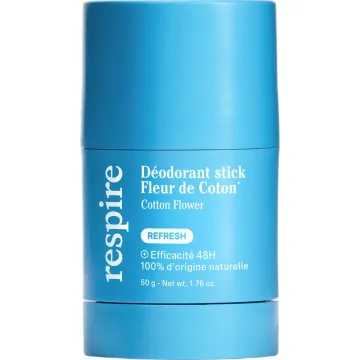
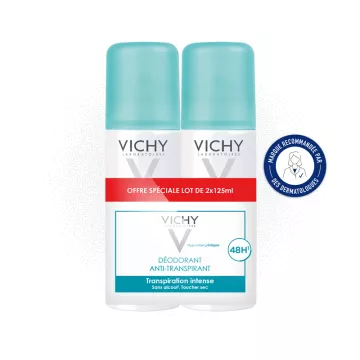
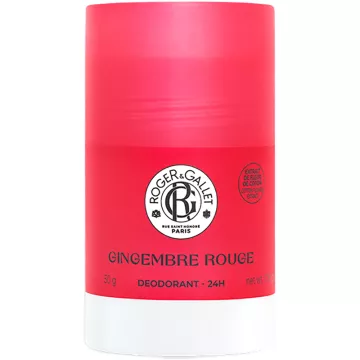
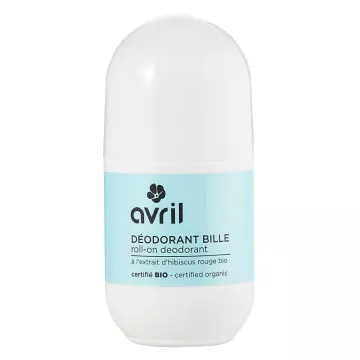
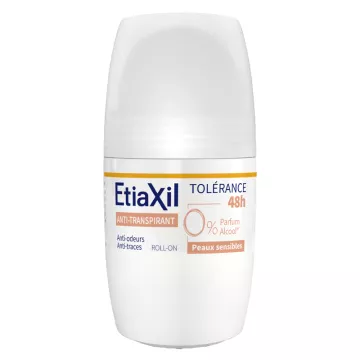
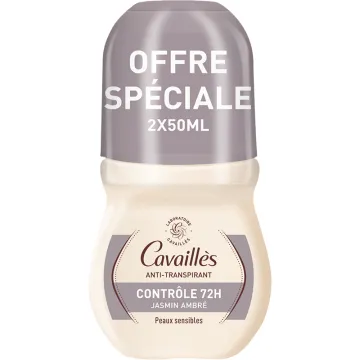
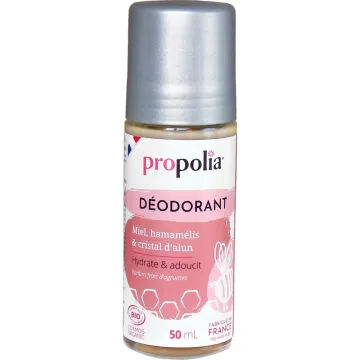
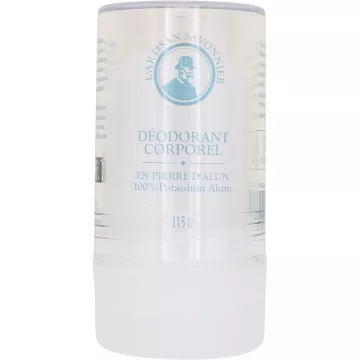
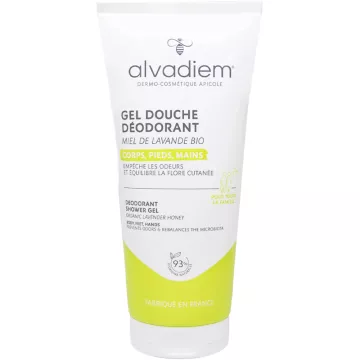
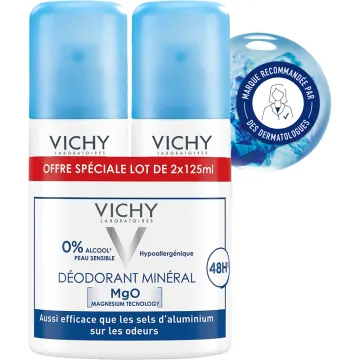
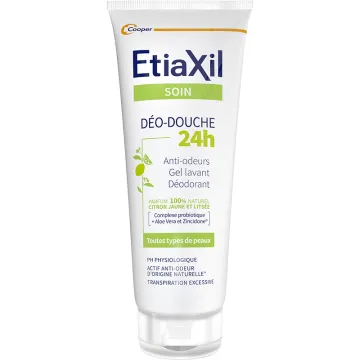
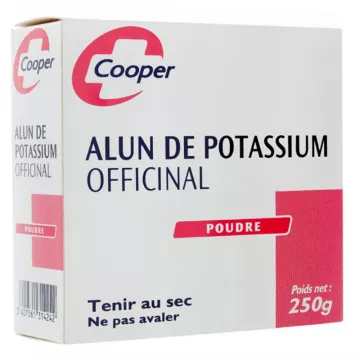
- Underarms: natural deodorant (zinc ricinoleate, alum) or antiperspirant depending on sweat levels—daily hygiene with an SLS-free cleanser—shaving or hair removal reduces the bacterial substrate
- Feet: antibacterial cleanser (tea tree oil, zinc) between the toes, thorough drying, natural-fiber socks, activated charcoal insoles—moisture is the main cause of foot odor
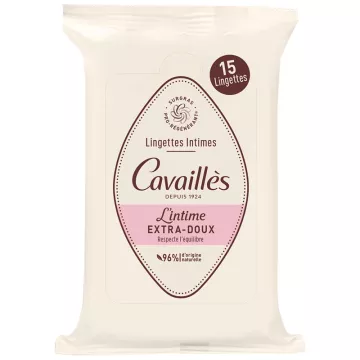
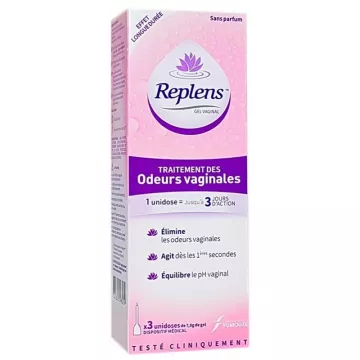
- Intimate area: normal vaginal flora is slightly acidic (pH 3.8–4.5) — any alkaline product disrupts it — use only a fragrance-free, pH-acidic intimate cleanser — a strong or unusual odor requires medical advice (bacterial vaginosis, infection)
- Mouth: Our oral hygiene page covers the prevention of bad breath—often linked to the bacterial flora on the tongue and periodontal pockets
When should you see a doctor about bad odors?
Most body odors are related tohygiene and product choice. However, certain odors are warning signs that should not be ignored.
- A smell of acetone (like a Reinette apple) or sweet-smelling sweat: may indicate hyperglycemia or uncontrolled diabetes—seek medical attention immediately
- Persistent ammonia odor despite good hygiene: a possible sign of kidney failure—blood tests recommended
- Persistent fishy odor despite showering: trimethylaminuria (TMAU)—a rare, treatable metabolic disorder—specific laboratory testing required
- Unusual vaginal odor with discharge: common bacterial vaginosis; treat with antibiotics or antifungals depending on the pathogen—do not self-treat with vaginal douches
- Smell of infection from a wound or injured area: seek medical attention promptly—may indicate a bacterial superinfection requiring treatment