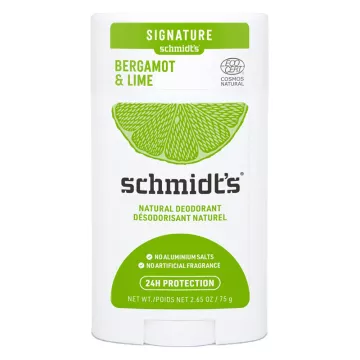
What is a natural deodorant, and how does it differ from a conventional deodorant?
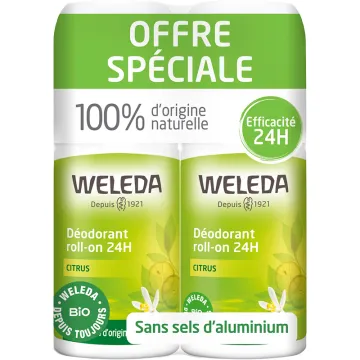
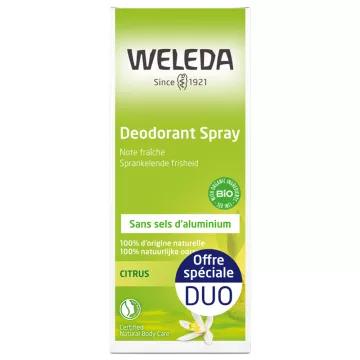
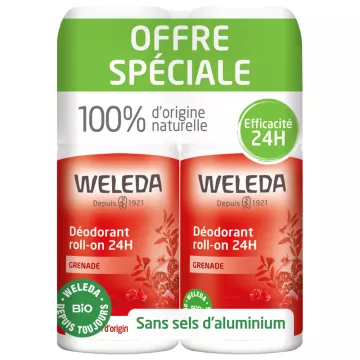
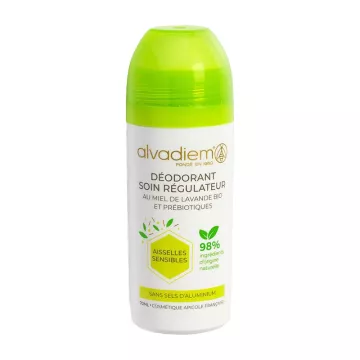
A natural deodorant neutralizes body odor using active ingredients derived from minerals, plants, or fermentation—without synthetic aluminum salts, parabens, or synthetic fragrances. Unlike an antiperspirant, which blocks sweat glands, a natural deodorant allows perspiration to occur normally and acts solely on the bacteria responsible for odors. Our deodorant page covers the general principles of selection and product formats.
- Formula free of synthetic aluminum salts: no blocking of sweat ducts—the skin sweats freely
- Free of denatured alcohol for the gentlest formulas—alcohol is a common irritant for the underarms, especially after hair removal
- Free of synthetic fragrances: sensitive and reactive skin tolerates natural fragrances or unscented formulas better
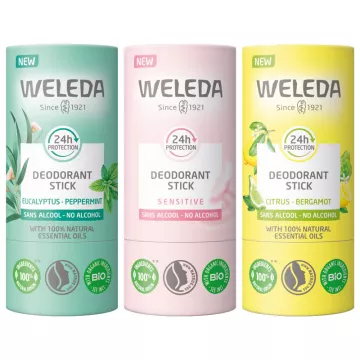
- Certified formulas: a truly guaranteed natural deodorant carries a certification label—Cosmos Natural, Cosmos Organic, Ecocert—see our organic deodorant line
Which natural active ingredients truly neutralize odors?
The effectiveness of a natural deodorant depends entirely on the quality and concentration of its active ingredients—not all are created equal.
- Zinc ricinoleate: the best natural odor-fighting ingredient—it molecularly captures odor-causing compounds without direct antibacterial action—excellent skin tolerance, used in the best organic formulas
- Natural alum (potassium aluminum sulfate): bacteriostatic by forming a mineral film—low skin absorption—well-tolerated on reactive skin
- Baking soda: effective and economical antibacterial agent—alkaline pH (8–9) may irritate sensitive skin and weaken the underarm skin barrier with prolonged use—test for two weeks
- Cornstarch and tapioca starch: moisture absorbers — reduce maceration without antibacterial properties — often combined with other active ingredients
- Antibacterial essential oils from our aromatherapy line: true lavender, tea tree, palmarosa — always dilute in the formula; never apply undiluted to the underarms
How to successfully transition to a natural deodorant?
The “transition period” is real—many people give up too soon, mistaking normal adjustment for the product’s ineffectiveness. For cases of pathological excessive sweating, our hyperhidrosis page details more targeted solutions.
- The first 2–4 weeks: The sweat glands, which have long been suppressed by aluminum salts, return to their normal activity—resulting in temporarily increased sweating—this is a physiological response, not a sign of ineffectiveness
- It’s best to make the switch in the summer or during vacation—there are fewer social pressures during the adjustment period
- Practice enhanced underarm hygiene during the transition: shower daily, change clothes more frequently—residual bacteria in fabrics can cause odors to linger even with a new deodorant
- Wash worn clothes with a little baking soda as an extra step—this removes odors embedded in the fibers
- If odors remain significant after 4 weeks: switch formulas (baking soda → zinc ricinoleate) or switch to a more concentrated natural deodorant
Vegan, cruelty-free natural deodorant: how to read the labels?
The demand for ethical products has led to a proliferation of “vegan” and “cruelty-free” claims—often without third-party verification. To learn more about certifications for natural and organic formulas, our organic deodorant page details the actual guarantees behind each label.
- Certified vegan: The Vegan Society or EVE Vegan logo—no animal-derived ingredients (no lanolin, beeswax, or milk)—verified by an independent organization
- Cruelty-free: PETA’s “Beauty Without Bunnies” or Leaping Bunny logo—no animal testing at any stage—note that outside the EU, some markets require testing
- "Vegan" without a logo: unverified claim — check the INCI list for ingredients of animal origin (beeswax = cire d’abeille, lanolin = lanoLine, carmine = animal-derived dye)
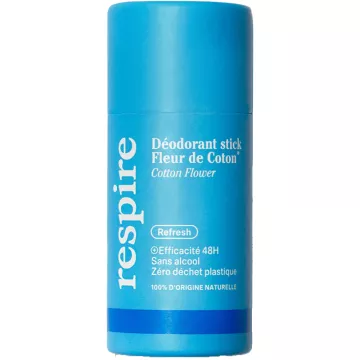
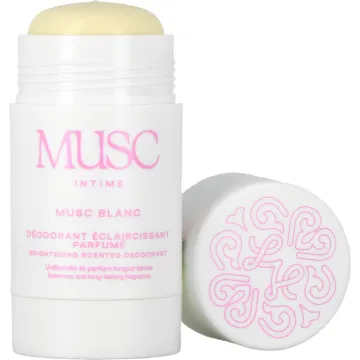
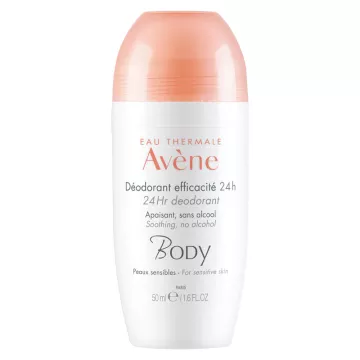
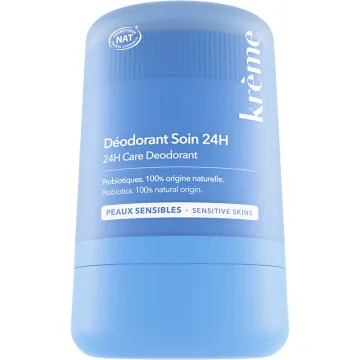
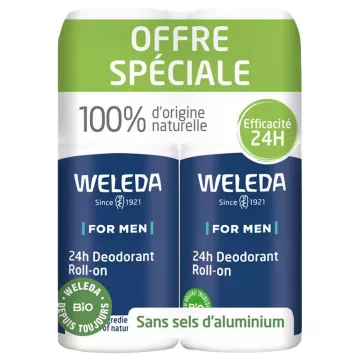
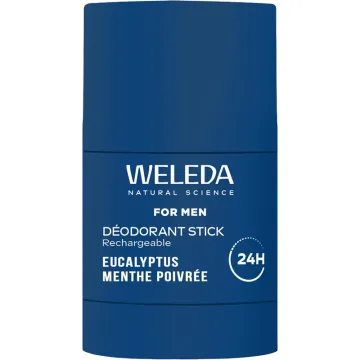
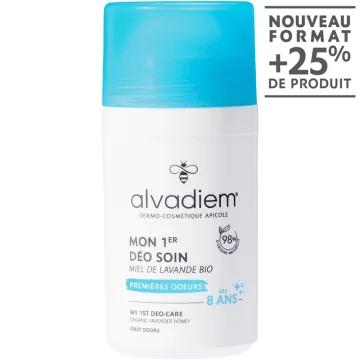
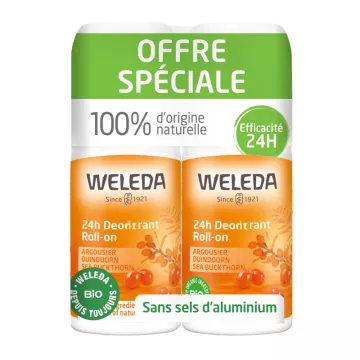
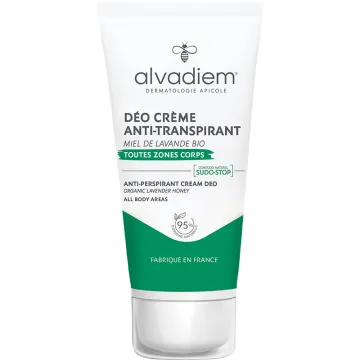
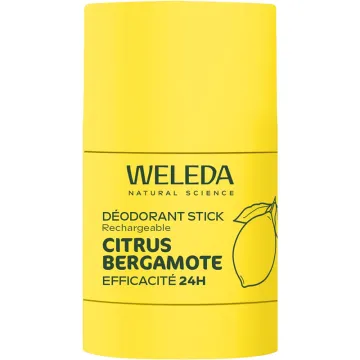
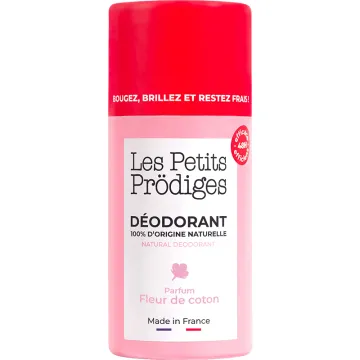
- Available formats: men’s stick, roll-on, cream, spray — solid formulas are often the most concentrated in active ingredients and the most eco-friendly