Antiperspirant vs. Deodorant: What's the Real Difference?
Antiperspirants and deodorants don’t do the same thing—a common misconception that explains a lot of disappointment when choosing products. Antiperspirants contain aluminum salts that form a temporary deposit in the sweat glands, mechanically reducing sweat production. Deodorants, on the other hand, neutralize the bacteria responsible for body odor without affecting the amount of sweat produced.
- For heavy sweating that soaks through clothing: an antiperspirant is necessary
- If you experience odor without excessive sweating: deodorant is sufficient
- In cases of pathological hyperhidrosis, our hyperhidrosis page outlines specific medical solutions
- Precaution (ANSM): Never apply to skin that has been shaved or waxed within the last 24 hours—aluminum penetrates more deeply through damaged skin
Which antiperspirant formats are best for which uses?
Each format has its practical advantages—the choice depends as much on lifestyle as on skin tolerance. For sensitive skin, the formulation is just as important as the concentration.
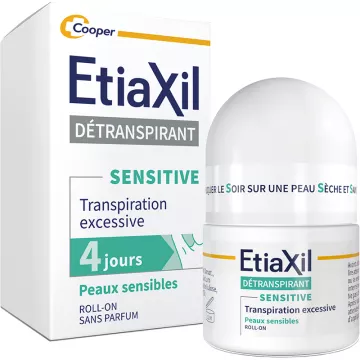
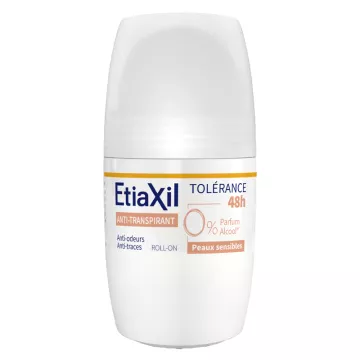
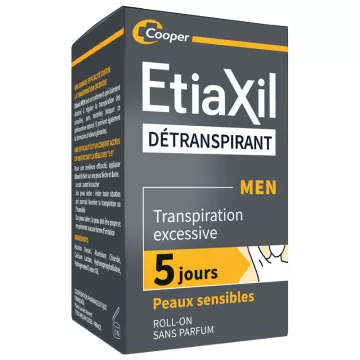
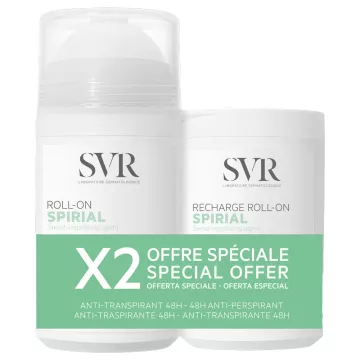
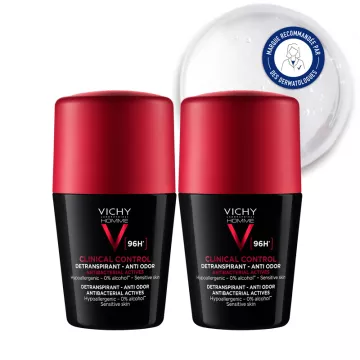
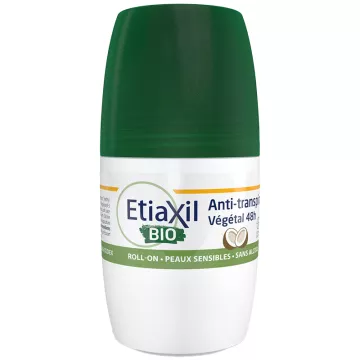
- Roll-on: precise application, feels wet upon application (dries in 2–3 minutes), often higher aluminum content (up to 10.6%)—most effective in clinical use
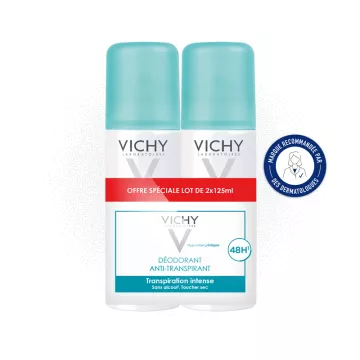
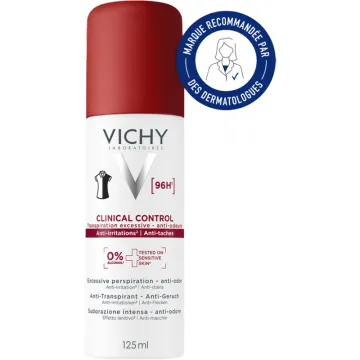
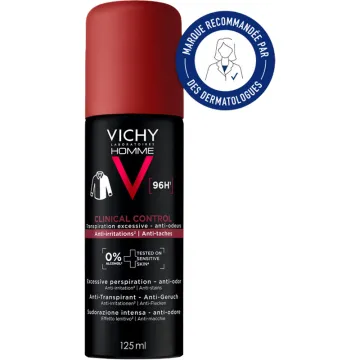
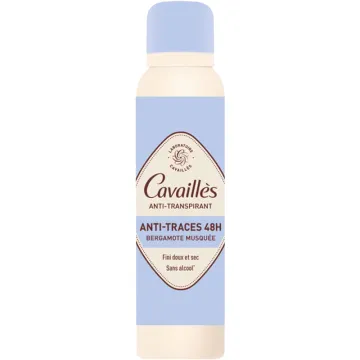
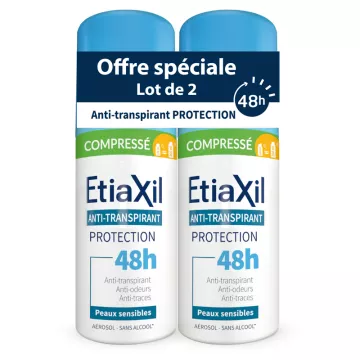
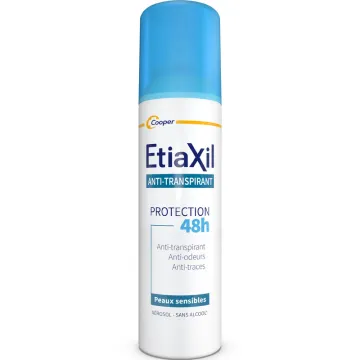
- Aerosol spray: dries immediately, wide coverage, limited aluminum concentration (max 6.25% according to EC 1223/2009)—convenient but less potent
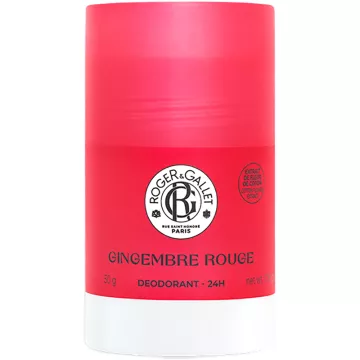
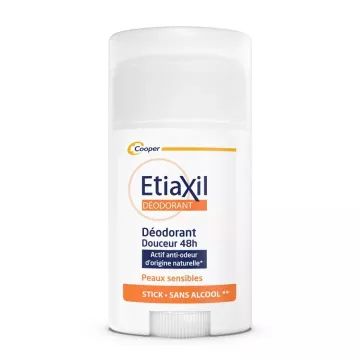
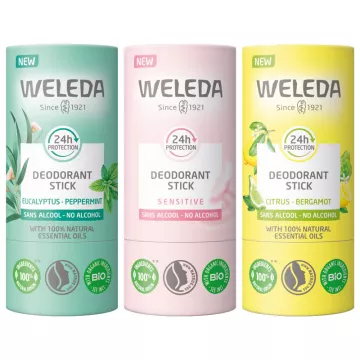
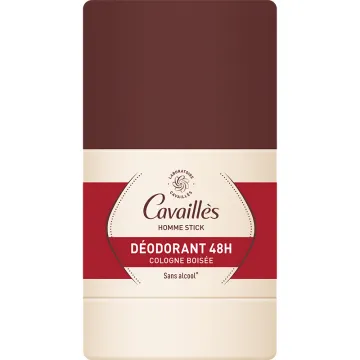
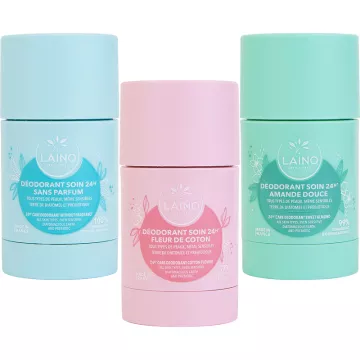
- Solid stick: doesn’t run, clean application, often contains vegetable wax—good for travel and dry skin
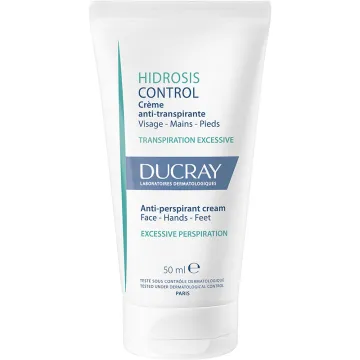
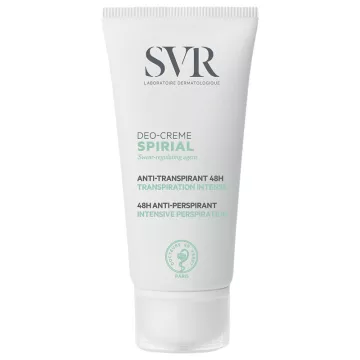
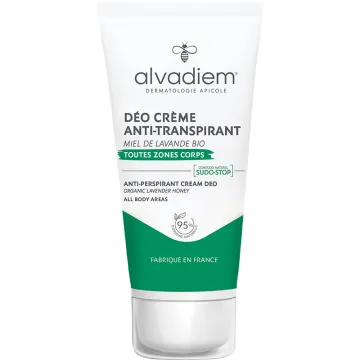
- Cream: for very sensitive skin or specific areas (feet, hands)—milder formulation, targeted application
- Antiperspirant wipes: sports and travel sizes — single-use after exercise
Can you use an antiperspirant on areas other than the underarms?
The underarms aren’t the only areas affected by excessive sweating—feet, hands, and the back may also require targeted protection, provided the format and concentration are appropriate.
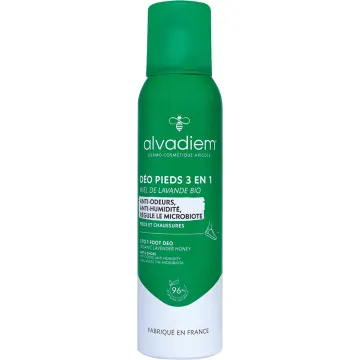
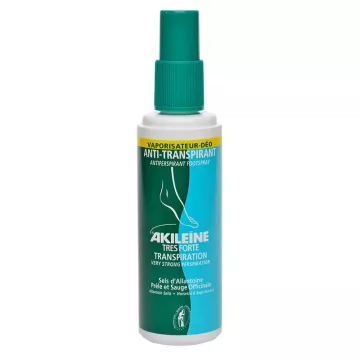
- Feet: heavy sweating (very dense eccrine glands) and associated risk of fungal infection — antiperspirant spray or cream specifically for feet, often combined with an antifungal active ingredient (tea tree, zinc) — apply in the evening to clean, dry feet
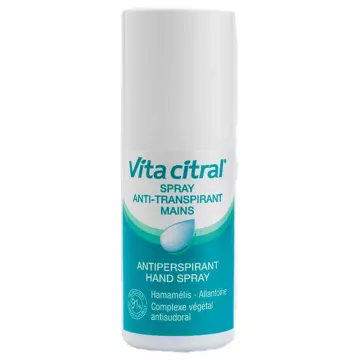
- Hands (palmar hyperhidrosis): low-concentration roll-on or cream—do not apply before manual activities—rinse off before any contact with food
- Back and chest: wide-coverage spray—useful for intense exercise —sports formulations with medium concentration
- Areas to avoid: face, mucous membranes, and inguinal folds with lesions—these areas have much higher skin absorption rates
What are some natural alternatives to aluminum-based antiperspirants?
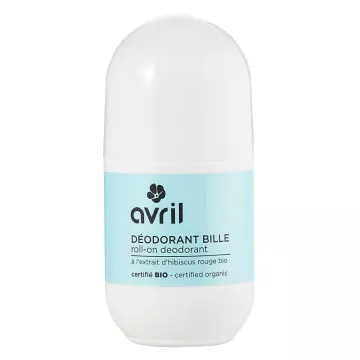
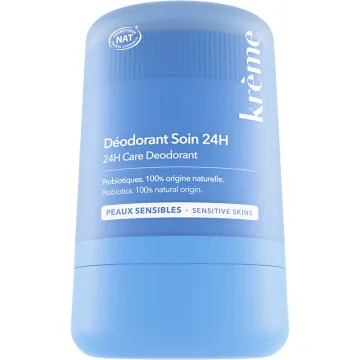
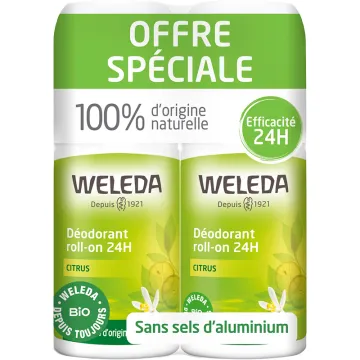
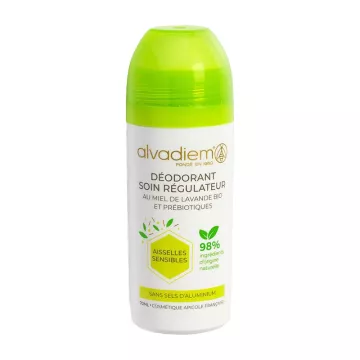
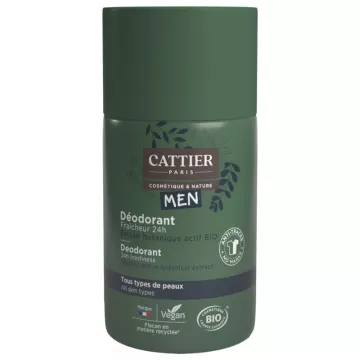
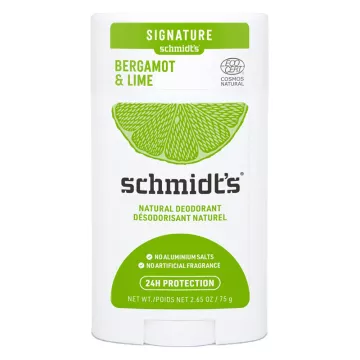
For those who wish to reduce their exposure to aluminum salts, the natural alternatives offered in our line of natural and organic deodorants work differently but may be sufficient for normal perspiration.
- Alum stone (potassium aluminum sulfate): contains a natural aluminum salt with very low skin absorption—bacteriostatic without blocking the glands—well-tolerated on sensitive skin —no significant antiperspirant effect
- Baking soda: very effective against odors, antibacterial—but may irritate sensitive skin and weaken the underarm skin barrier over the long term—test on a small area
- Zinc: well-tolerated bacteriostatic agent, found in many certified organic deodorants — has no effect on sweat volume but effectively neutralizes odors
- Essential oils (tea tree, lavender, palmarosa): antibacterial properties — see our range of essential oils and sweat — always dilute in a carrier oil; never apply undiluted to the underarms
- Important: “aluminum-free” does not mean “free of any antiperspirant active ingredients”—check whether the product contains other metal salts (such as zirconium) that may have similar effects