What is an effective personal hygiene routine?
Personal hygiene is more than just taking a shower—it’s a set of rituals tailored to your skin type, your activities, and the different areas of your body, each with its own specific needs. A well-designed routine prevents skin infections, odors, and irritation, and helps maintain the integrity of the skin barrier. For product recommendations (soaps, shower gels, deodorants), see our hygiene page and our personal hygiene line.
How often should you shower based on your skin type?
The ideal frequency depends on your skin type—and more frequent showers aren’t always better.
- Dry or atopic skin: No more than one lukewarm shower per day (5 min), or even every other day—over-washing disrupts the hydrolipidic film and worsens itching
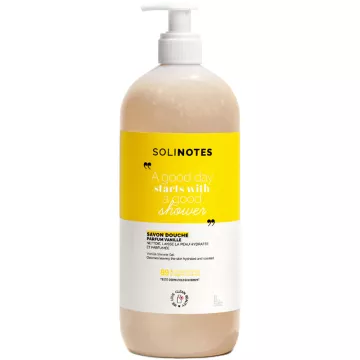
- Sensitive, reactive skin: strictly lukewarm water, short showers, and a cleanser without harsh detergents—extremely cold or hot water can trigger redness
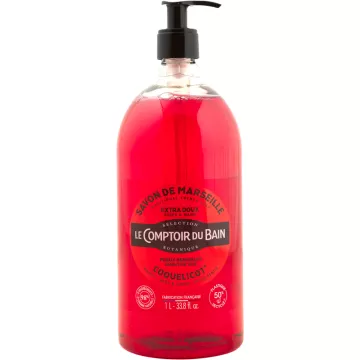
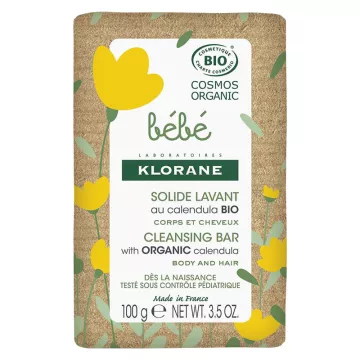
- Normal to combination skin: One shower a day is sufficient—alternate between a gentle cleanser and a moisturizing soap in winter
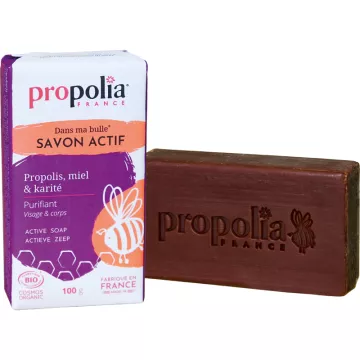
- After exercise: Always shower to remove sweat before it becomes saturated in the skin—use a purifying gel suitable for sports
- General rule: Always pat dry, never rub — and apply moisturizer to skin that’s still slightly damp to maximize absorption
How often should you wash your hair based on your hair type?
How often to shampoo is one of the most common questions—and the answer really depends on your hair type.
- Oily hair: every day or every other day—use a sebum-regulating shampoo —note: washing too often can, paradoxically, stimulate sebum production
- Dry or damaged hair: 2–3 times a week—use an ultra-gentle shampoo and always apply conditioner to the lengths
- Normal hair: 3 times a week is fine
- Sensitive scalps or scalps prone to dandruff: a soothing shampoo with gentle active ingredients (zinc pyrithione, piroctone olamine)—adjust the frequency based on how your scalp reacts
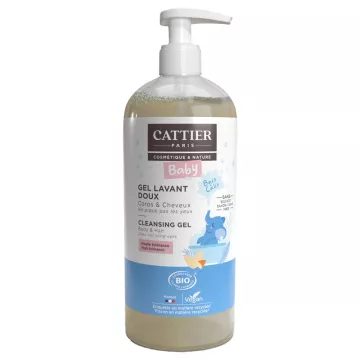
- Babies and young children: sulfate- and fragrance-free baby shampoo, no more than 2–3 times a week
How can you prevent fungal infections through good hygiene?
Fungi thrive in warm, moist, and poorly dried areas—prevention through good hygiene is very effective.
- Dry thoroughly between the toes and in all skin folds after showering—this is the first rule for preventing athlete’s foot
- Change your socks every day; choose breathable materials (cotton, bamboo)—synthetic fibers trap moisture
- Never share towels, linens, or shoes—skin fungi spread easily through contact
- After team sports or swimming: wear shower sandals, dry your feet thoroughly, and always change into dry clothes
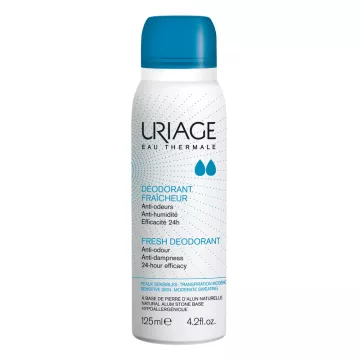
- Underarms and groin: dry thoroughly, use an appropriate deodorant —moist areas prone to friction are most susceptible to superficial fungal infections
Comprehensive personal hygiene: areas not to be overlooked
Beyond the body in general, a few areas deserve special attention.
- Oral hygiene: brush for 2–3 minutes, twice a day, and floss — oral health is linked to cardiovascular health and overall metabolism
- Hands: Wash with soap for at least 20 seconds, especially before meals, after using the restroom, and after using public transportation—this hygiene practice has the most well-documented effects on infection prevention
- Nails: trim regularly, brush the edges—long nails harbor bacteria and facilitate the spread of germs
- Ears: Never insert a cotton swab into the ear canal—cleaning the outer part of the ear with a damp cotton ball is sufficient—cotton swabs push earwax deeper into the ear and may damage the eardrum