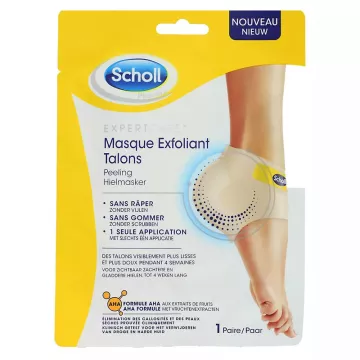
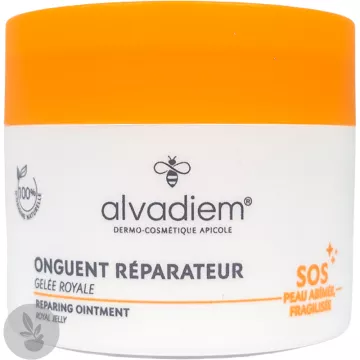
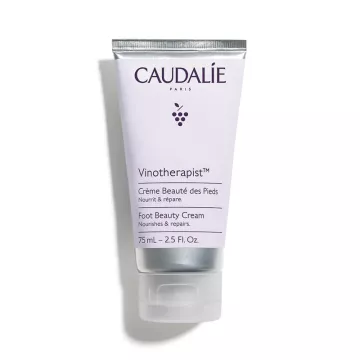
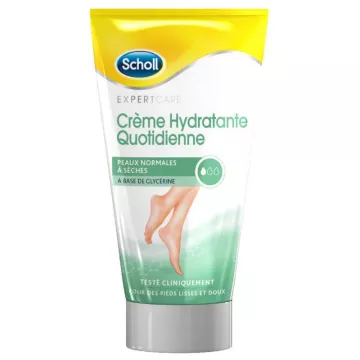
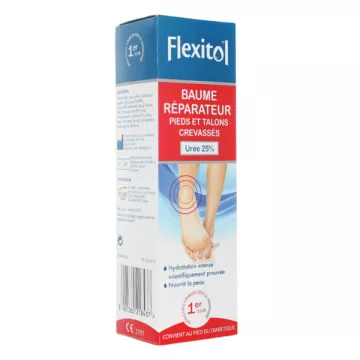
Dry feet are most often the result of insufficient skin hydration, but several aggravating factors come into play. These include exposure to extreme temperatures, the use of harsh soaps, certain conditions such aseczema or atopic dermatitis, psoriasis, and wearing ill-fitting shoes that prevent the skin from breathing. Age also plays a role: the skin gradually loses its ability to retain moisture.
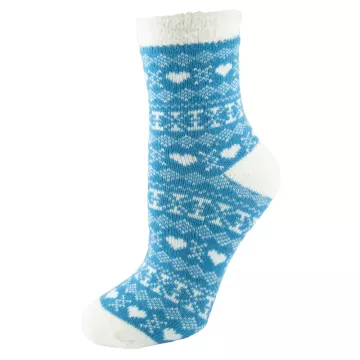
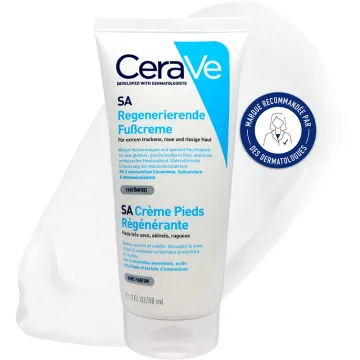
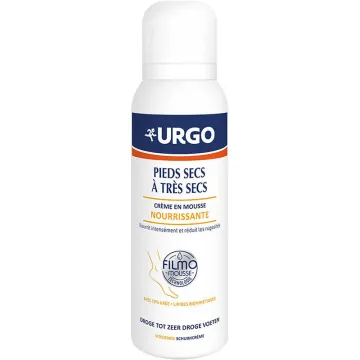
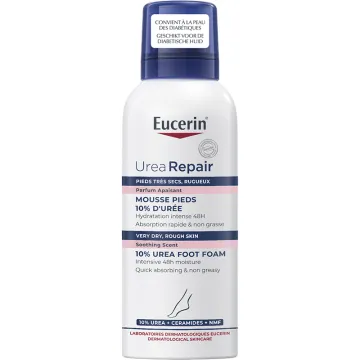
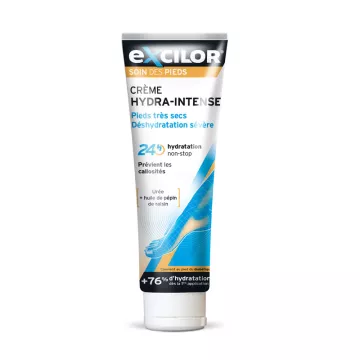
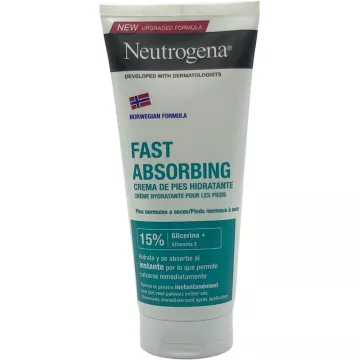
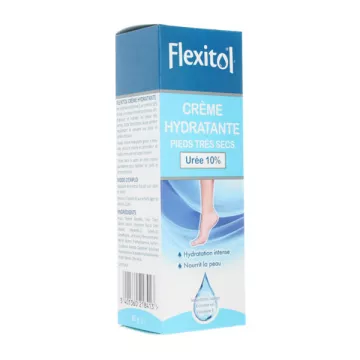
To effectively prevent dry feet, adopt a suitable skincare routine. Choose moisturizers specifically formulated for the feet, containing urea, glycerin, or hyaluronic acid—all excellent moisturizing agents. Wear socks made of natural materials like cotton or wool to let your skin breathe, and choose comfortable shoes, preferably made of leather or natural materials. Also, limit your use of harsh cleansing products.
Several home remedies effectively relieve dry feet. A foot soak with lavender essential oil or Epsom salt visibly softens the skin. After the soak, apply a generous layer of moisturizer and then put on socks to prolong the moisturizing effect. Regularly applying shea butter or coconut oil before bed also helps restore the skin’s barrier.
See a dermatologist or podiatrist if your feet remain dry and cracked despite a regular skincare routine, or if you notice signs of infection, such as redness, warmth, pain, or oozing. Also watch for symptoms that may indicate a fungal foot infection. In cases of severe itching or open sores associated with dryness, a medical evaluation is necessary to prevent complications.
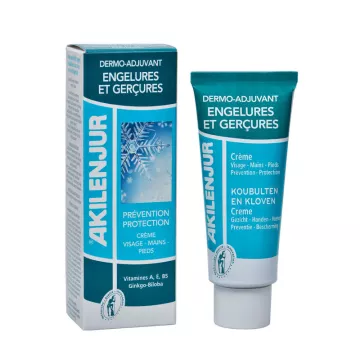
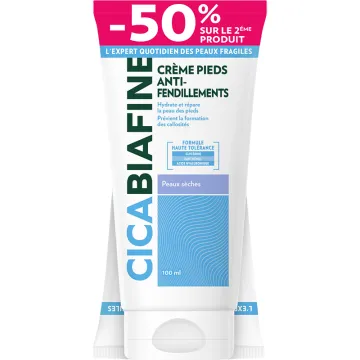
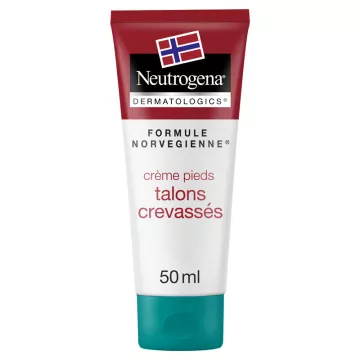
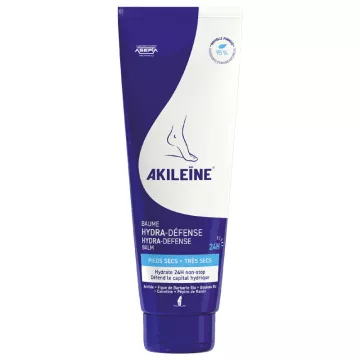
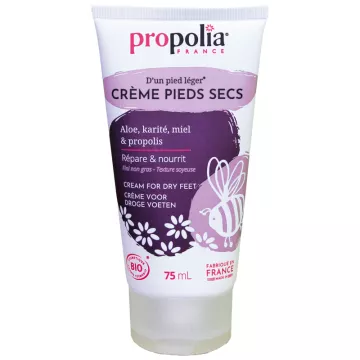
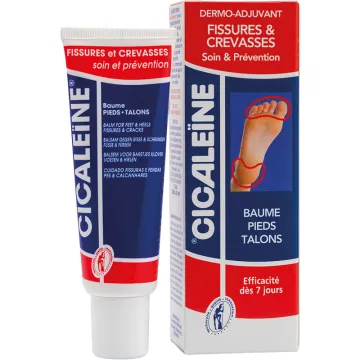
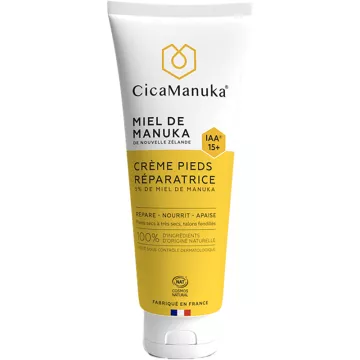
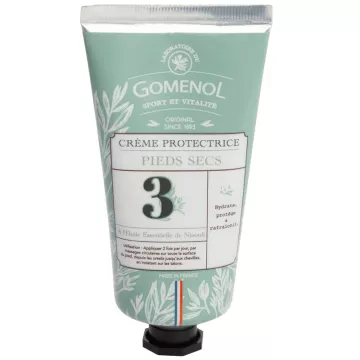
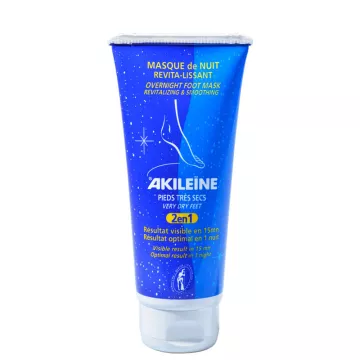
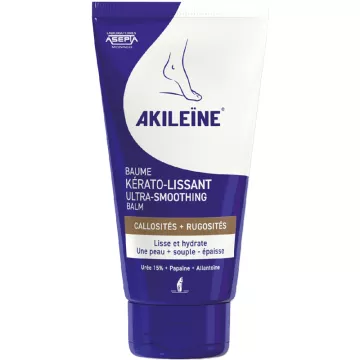
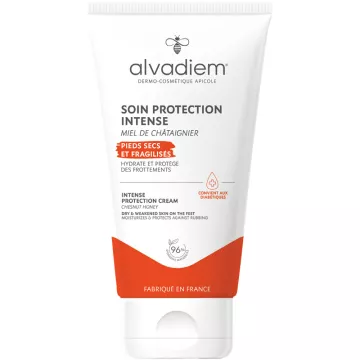
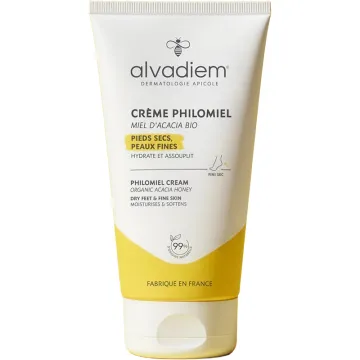
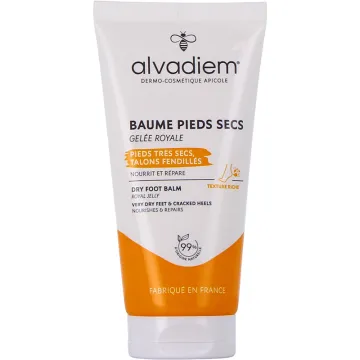
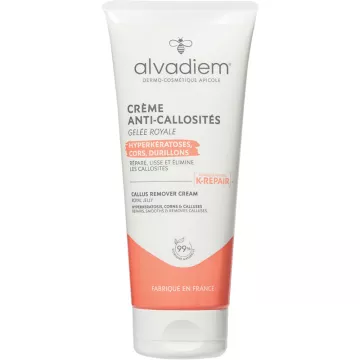
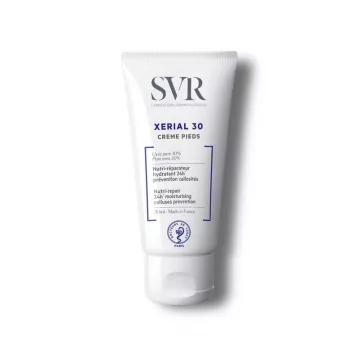
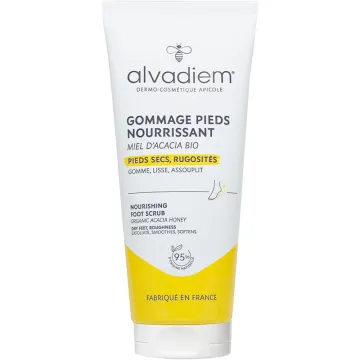
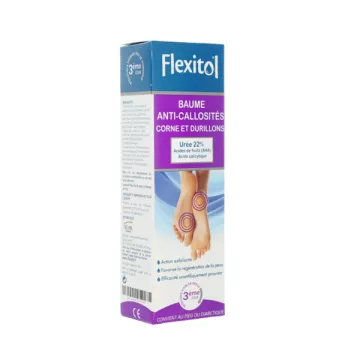
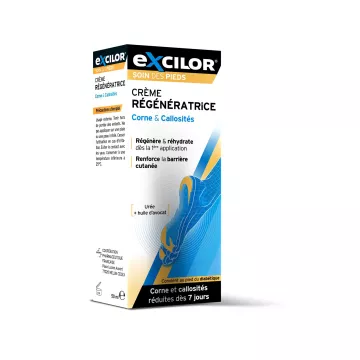
To effectively treat dry feet, choose your products carefully. Look for creams and balms for dry feet enriched with moisturizing agents such as urea, glycerin, or hyaluronic acid. Avoid products containing drying alcohols or irritating fragrances. Formulations labeled “for sensitive skin” or “hypoallergenic” are generally better tolerated.
Yes, dry feet can sometimes indicate underlying conditions. Diabetes, thyroid disorders, or certain autoimmune diseases can cause dry skin, including on the feet. If you have extremely dry feet accompanied by other unexplained symptoms, a medical evaluation can help identify the exact cause and determine the appropriate treatment.
To prevent dry feet, choose appropriate shoes. Opt for styles made from natural materials such as leather or breathable fabrics. Avoid shoes made of plastic or synthetic materials, which prevent the skin from breathing and promote moisture buildup, increasing the risk of both dryness and infections. Also make sure the shoes fit properly—neither too tight nor too loose—since poor circulation contributes to dry skin.
A balanced diet plays an important role in skin health, including the skin on your feet. To support skin hydration, include essential fatty acids such as omega-3s and omega-6s in your diet—found in fatty fish, nuts, and flax and chia seeds. Vitamins A, C, and E, zinc, and selenium also contribute to skin regeneration and help prevent dryness.
Essential oils can effectively relieve dry feet, provided they are used correctly. Lavender essential oil, for example, has soothing and moisturizing properties. Dilute it in a carrier oil—such as sweet almond or coconut oil—before applying it to your feet. Always perform a patch test on a small area before applying it more widely to rule out an allergic reaction.
In cases of extreme dryness, when the skin has painful cracks, medical treatments become necessary. A podiatrist or dermatologist may prescribe corticosteroid creams to reduce inflammation and moisturizing preparations with higher concentrations of urea or ammonium lactate. For the most severe cases, foot wraps or therapeutic shoes aid in healing and prevent secondary infections.
Daily moisturizing remains essential for maintaining the suppleness and health of the skin on the feet. Regular application of appropriate creams or lotions provides long-term protection against the formation of cracks and chapped skin. Ideally, apply the product after a shower or bath, while the skin is still slightly damp, to best lock in moisture. Active ingredients such as glycerin, urea, and hyaluronic acid are excellent at retaining water in the skin’s outer layers.