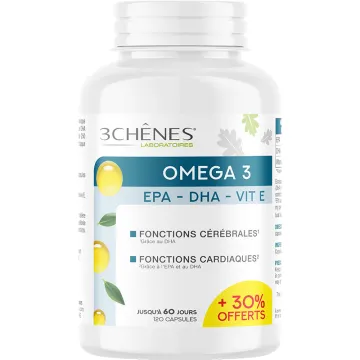
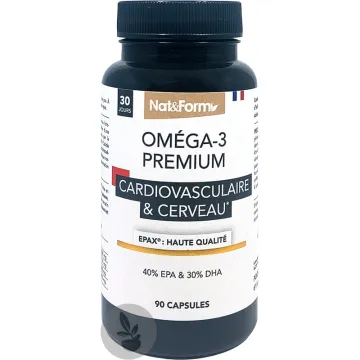
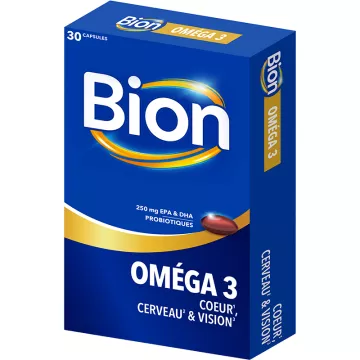
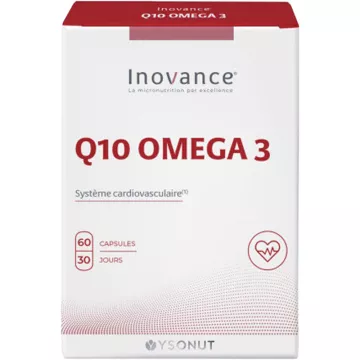
Why take omega-3s for the heart and brain?
Cognitive functions encompass the most complex areas of the human brain, including memory, language, concentration, reasoning, and logic. These essential abilities can decline with age, requiring special attention to maintain them.
Omega-3s, primarily the polyunsaturated fatty acids EPA (eicosapentaenoic acid) and DHA (docosahexaenoic acid), are classified as “essential” fatty acids. This classification is based on the fact that the human body cannot synthesize them on its own, making dietary intake essential.
The human brain is primarily composed of lipids, among which omega-3s play a crucial role. In particular, DHA is a key component of cell membranes and contributes directly to normal brain function. Furthermore, omega-3s also promote cardiovascular health by supporting normal heart function.
Omega-3s are involved in the synthesis of highly unsaturated fatty acids and biologically active derivatives. Alpha-linolenic acid (ALA), another essential fatty acid, serves as a precursor that enables the body to produce EPA and DHA, which are necessary for the proper functioning of its physiological systems. ALA helps maintain healthy arteries and a healthy heart, while EPA and DHA play a crucial role in the proper functioning of the brain and retina.
When should you take omega-3 dietary supplements?
Taking natural dietary supplements is rarely recommended, as there are so many natural sources of omega-3. The safest way to increase your omega-3 intake is to follow a varied and balanced diet. To do this, you should eat fish regularly, as well as other foods rich in polyunsaturated fatty acids (nuts, flaxseeds, avocados, etc.).
However, there’s no need to “overindulge” unnecessarily. Simply try to consume amounts close to the recommended daily intakes (2.5 g/day of alpha-linolenic acid for men and 2 g for women, and 250 mg of EPA and DHA).
- Prevention of cardiovascular diseases, including heart attacks
- Prevention of strokes
- Lowers “bad” cholesterol and raises “good” cholesterol (HDL), thereby helping to prevent atherosclerotic plaque buildup and lowering triglycerides
- Positive effects on the brain, a major “consumer of omega-3”
- Improves skin hydration and increases suppleness
- Contributes to healthy fetal development; a supplement to take during pregnancy
- Prevents the baby blues
- Helps reduce stress and combat depression
- Prevents AMD (age-related macular degeneration)
Omega-3s are therefore very beneficial during periods of stress or when feeling a little down. DHA supports normal brain function. This beneficial effect is achieved with a daily intake of 250 mg of DHA.
What are the differences between omega-3 and omega-6?
OMEGA-6 (linoleic acid, arachidonic acid, dihomo-gamma-linolenic acid, etc.)
- Functions: Lower cholesterol, pro-inflammatory, reduce blood flow, vasoconstriction, maintain skin integrity, support optimal reproductive function.
- Sources: Grape seed oil, wheat germ, sunflower, walnuts, soy, canola.
OMEGA-3
- Functions: Lower triglycerides, anti-inflammatory, limit platelet aggregation, promote blood flow, promote vasodilation, increase HDL cholesterol, prevent cellular degeneration.
- Sources: Plant-based omega-3s (alpha-linolenic acid): flaxseed oil, camelina oil, and to some extent rapeseed oil and walnuts. Animal-based omega-3s (EPA, DHA): fatty fish, dairy products, egg yolks, and meats.
What are the possible side effects of omega-3s?
- Dietary supplements should be used as part of a healthy lifestyle and a varied, balanced diet.
- Keep out of reach of children.
- Follow the recommended doses.
- Not recommended for children under 12 years of age.
- If you are allergic to fish, be aware that some omega-3-enriched foods and dietary supplements are made with fish oil;
- If you are taking medications, especially blood thinners: be sure to consult your doctor before changing your diet or taking supplements;
- If you are pregnant, consult your doctor before changing your diet or taking supplements;
- Do not change your children’s diet or give them supplements without medical advice.
What dietary supplements does Soin-et-Nature offer?
Soin-et-Nature offers a wide range of dietary supplements online, designed to meet a variety of health and wellness needs. Here are the main categories available:
- For optimal vitamin and mineral intake, specially formulated products support the body’s optimal functioning.
- To manage stress and improve sleep, natural solutions help restore calm and serenity.
- To combat fatigue and restore energy, supplements designed to boost energy and vitality are available.
- To relieve joint pain and maintain mobility, specific solutions address joint-related needs.
- To help manage hormonal imbalances associated with menopause, targeted supplements provide natural and effective support.
- To improve blood circulation and relieve the sensation of heavy legs, specially formulated products are available.
- To promote healthy digestion and regular bowel movements, supplements designed for digestive comfort offer natural support.
- To strengthen memory and concentration, specific solutions support cognitive function.
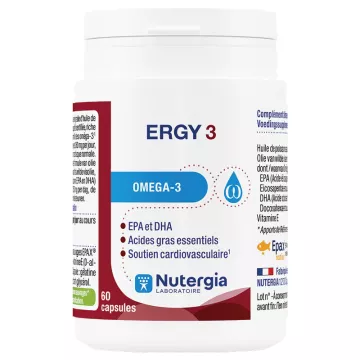
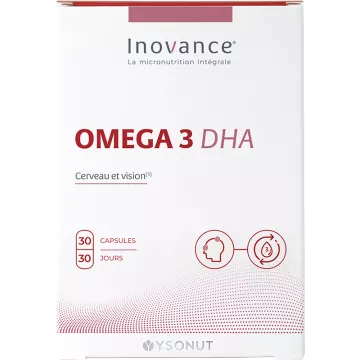
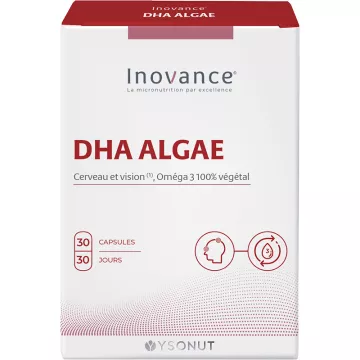
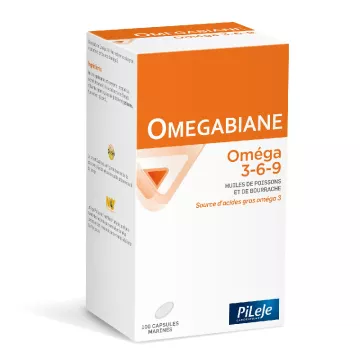
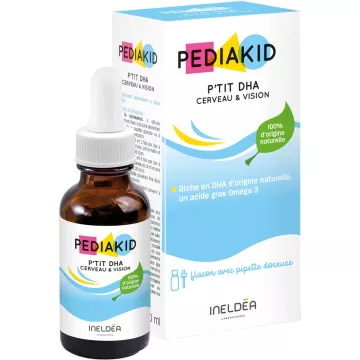
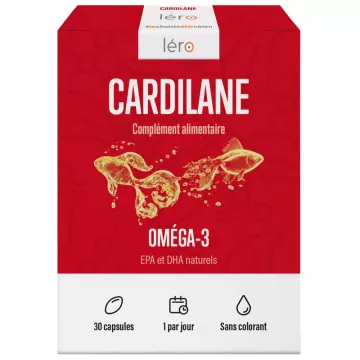
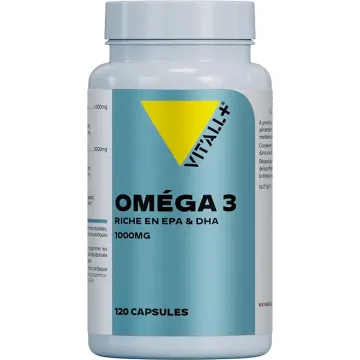
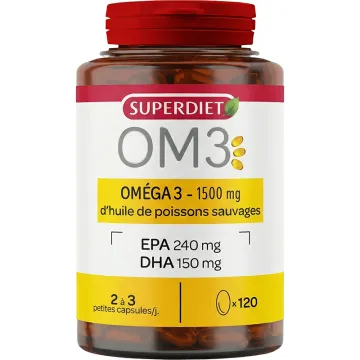
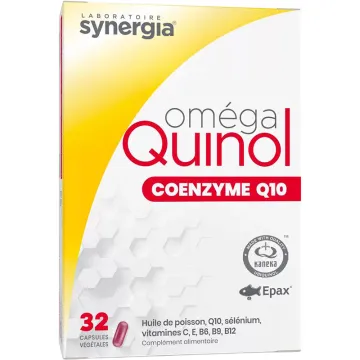
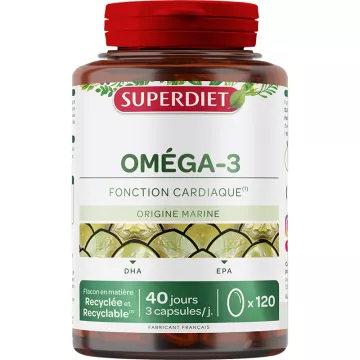
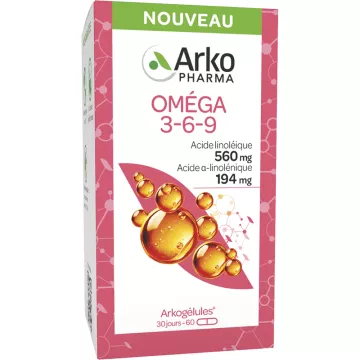
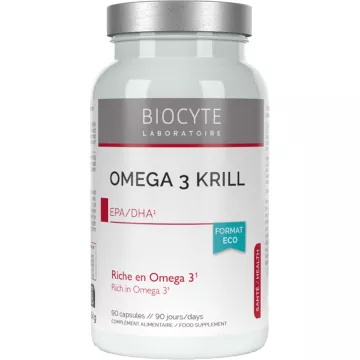
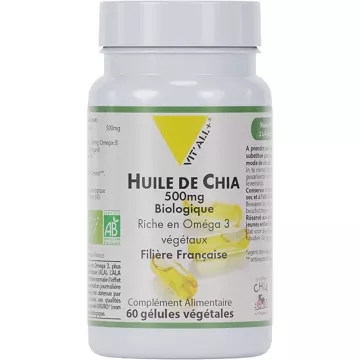
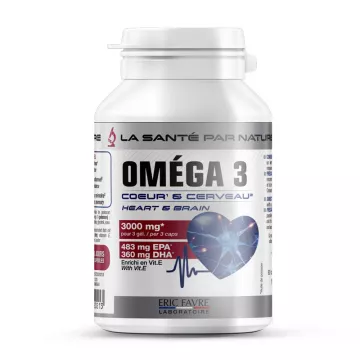
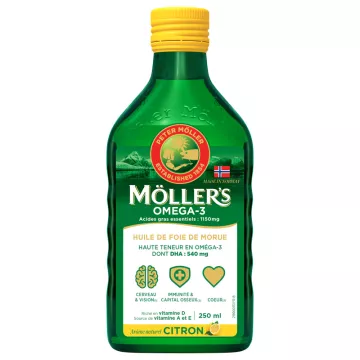
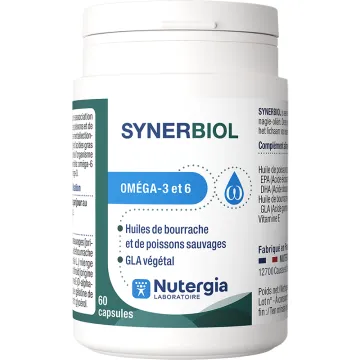
- To reap the benefits of Omega-3s, these essential fatty acids protect the heart, brain, and vision.
- To maintain eye health, targeted supplements help protect the eyes from daily stressors.
- To maintain overall physiological well-being, solutions tailored to various needs are available.
- To meet the specific needs of seniors, enriched supplements support vitality and overall health.
- To strengthen natural defenses, dietary supplements effectively boost the immune system.
- To improve respiratory comfort, natural products soothe and support the respiratory tract.
- For specific needs and targeted results, the SynActifs line offers innovative and high-performance formulas.
These dietary supplements, available on Soin-et-Nature, are designed to complement your diet and effectively meet your specific daily health and wellness needs.