What are skin cracks, and what are their main causes?
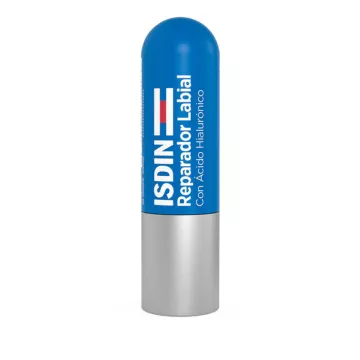
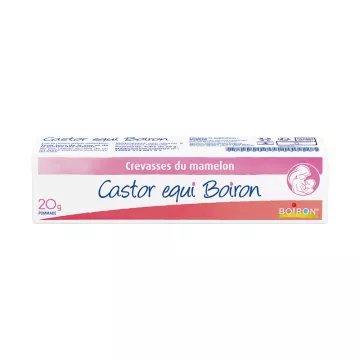
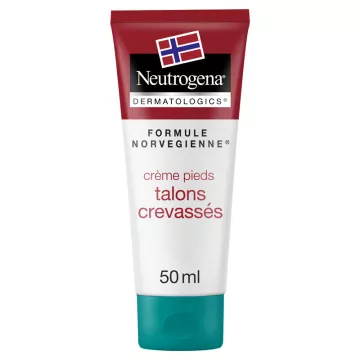
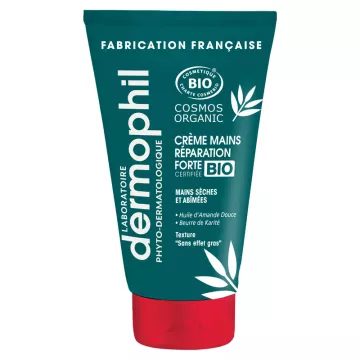
Chapped skin refers to deep, painful cracks that can form on the skin when it becomes extremely dry or irritated. These cracks can appear on various parts of the body, including the hands, feet, and lips. The main causes include exposure to cold and dry temperatures, insufficient skin hydration, the use of harsh soaps, and health conditions such as eczema or psoriasis that can predispose the skin to increased dryness.
How can you prevent skin cracks from forming?
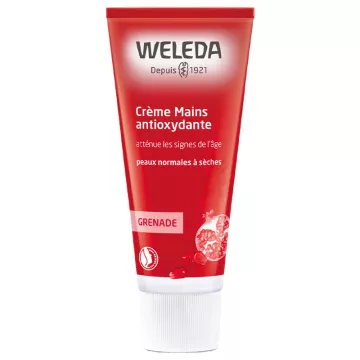
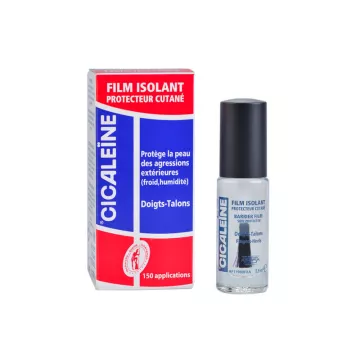
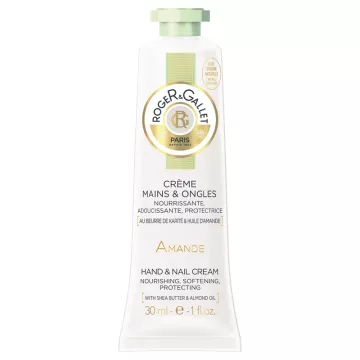
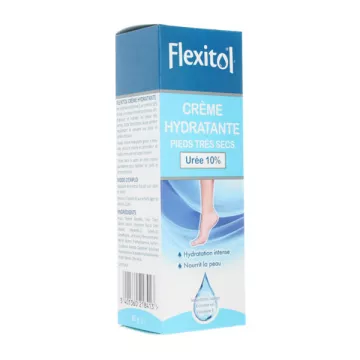
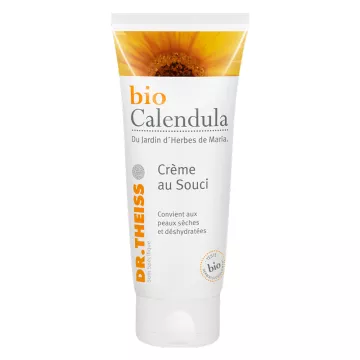
To prevent chapped skin, it’s essential to adopt a proper skincare routine that includes regularly moisturizing the skin with creams or lotions rich in emollients. It’s recommended to avoid drying soaps and opt for gentle cleansers. During cold weather, protecting exposed areas with appropriate clothing can also reduce the risk of skin cracks. Using humidifiers in living spaces to maintain adequate humidity levels is another effective preventive measure.
What treatments are available for chapped skin?
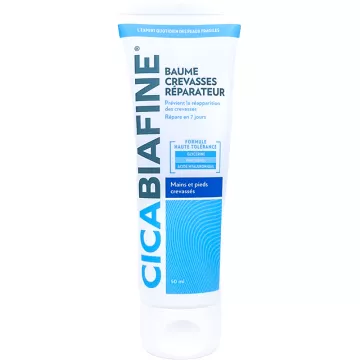
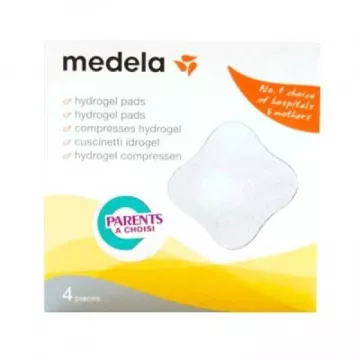
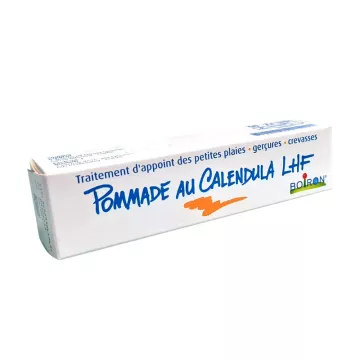
Treatment for chapped skin depends on its severity. For mild cases, regular application of moisturizing creams or specific ointments may be sufficient. For deeper or more painful cracks, more advanced treatments such as corticosteroid-based creams or hydrocolloid dressings may be necessary. In some cases, consulting a dermatologist is recommended to receive personalized treatment and avoid complications.
How do skin fissures affect quality of life?
Skin fissures can significantly affect quality of life by causing pain and discomfort, limiting mobility in the affected areas, and increasing susceptibility to infections. Everyday activities such as writing, walking, or even smiling can become painful. Special attention and appropriate care are therefore crucial for managing these symptoms and improving the quality of life for those affected.
Are there any recent innovations in the treatment of skin fissures?
Recent advances in the treatment of skin fissures include the development of new formulations of creams and ointments that specifically target skin barrier repair and the reduction of inflammation. Studies on bioactive dressings capable of delivering medication directly into the skin fissure also hold promising prospects for more effective and less invasive treatments in the future.
How can you identify the early signs of cracked skin?
The early signs of skin fissures generally include increased dryness, redness, and flaking of the skin. These early symptoms can worsen rapidly, especially without proper treatment, leading to deep and painful fissures. It is important to monitor any areas of skin that become unusually dry or rough, as these areas are more likely to develop cracks.
What are the risks associated with untreated skin cracks?
Leaving skin cracks untreated can increase the risk of infection, as the cracks provide an entry point for bacteria and other pathogens. Additionally, the cracks can become deeper and more painful, making daily care and normal movements extremely uncomfortable. Immediate attention to the first signs of skin cracks is essential to prevent these complications.
What dietary measures can help prevent cracked skin?
A diet rich in vitamins and omega-3 fatty acids can help nourish the skin from the inside and prevent skin fissures. Vitamins A, C, and E are particularly important for maintaining skin integrity. Food sources such as leafy greens, fruits, nuts, and fatty fish can contribute to healthier skin that is less prone to cracking.
Can home remedies be used to treat cracked skin?
Although some home remedies, such as applying coconut oil or shea butter, may provide temporary moisturization, they are not a substitute for medical treatments for severe cracks. These remedies can be used in addition to the care recommended by a professional to help keep the skin hydrated between applications of more targeted treatments.
How important is moisturizing for preventing and treating cracked skin?
Hydration is essential for preventing and treating cracked skin. Well-moisturized skin is less likely to crack, even in low-humidity conditions or extreme cold. It is recommended to use moisturizers several times a day, especially after washing your hands or taking a bath, while the skin is still damp to lock in moisture.