What is eczema?
Eczema refers to a chronic or recurrent skin inflammation characterized by red patches, intense itching, blisters, and sometimes oozing and scaling. The term encompasses several clinical conditions:
- Atopic eczema (or atopic dermatitis), the most common form, associated with a constitutional atopic predisposition and a genetic impairment of the skin barrier (frequently involving a filaggrin deficiency).
- Contact eczema, which can be irritant or allergic, triggered by an external substance.
- Nummular eczema (round, coin-sized patches), dyshidrosis (blisters on the palms and soles), andasteatotic eczema in the elderly on very dry skin.
Atopic eczema most often begins before the age of 5 and affects 10 to 20% of children in Western Europe. More than half of cases resolve before adolescence, but the condition may persist or recur in adulthood. See also atopic skin.
What causes eczema?
Atopic eczema results from the interaction of several mechanisms:
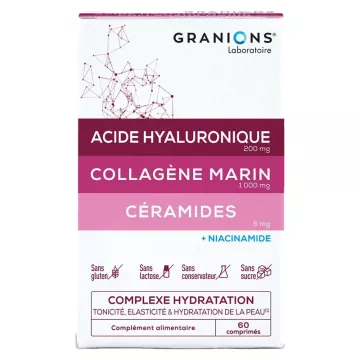
- Skin barrier dysfunction: a mutation in the filaggrin gene, a deficiency in ceramides, and increased transepidermal water loss. The skin “leaks,” allowing allergens and irritants to enter.
- Th2-type immune hyperreactivity: excessive production of pro-inflammatory cytokines (IL-4, IL-13, and IL-31, which causes itching).
- Genetic component: personal or family history of atopy (eczema, asthma, allergic rhinitis, food allergy).
- Imbalanced skin microbiome with increased colonization by Staphylococcus aureus on atopic skin.
There are many triggers for flare-ups: environmental allergens (dust mites, pollen, animal dander, mold), irritants (harsh soaps, detergents, sweat, wool), climatic variations (dry cold in winter, heat in summer), stress, viral infections, and sometimes certain foods in children with atopic dermatitis.
How is eczema diagnosed?
The diagnosis is clinical and is made by a general practitioner, pediatrician, or dermatologist based on an examination of the lesions, their characteristic distribution (elbow and knee creases, neck, hands, and face, depending on age), the duration of symptoms, the recurrent nature of the condition, and the personal and family history of atopy.
Additional tests are not routinely performed. They may be ordered depending on the circumstances:
- Epicutaneous tests (patch tests) if allergic contact dermatitis is suspected as a secondary condition.
- Allergy workup (prick tests, specific IgE) in children if an associated food allergy or a severe form is suspected.
- Assessment of severity using standardized scores (SCORAD, EASI, DLQI for quality of life).
- Skin biopsy in rare atypical cases, to rule out other conditions (psoriasis, mycosis fungoides).
What treatments are available for eczema?
Treatment is two-pronged: long-term emollient therapy and treatment of flare-ups.
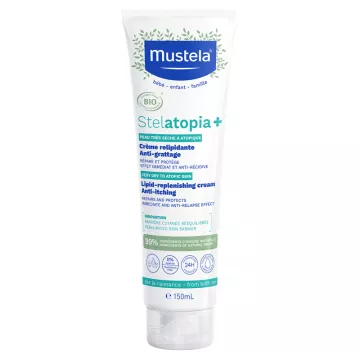
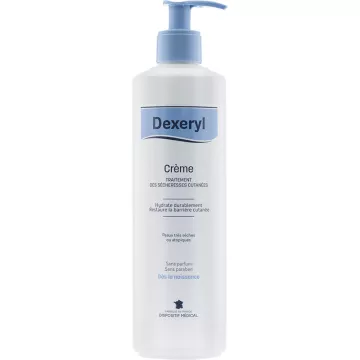
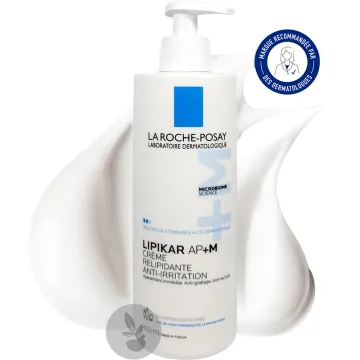
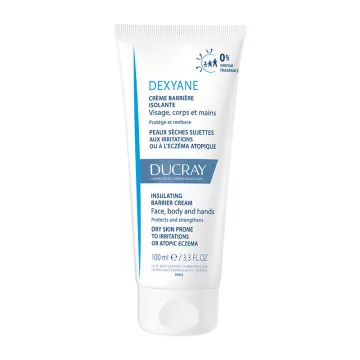
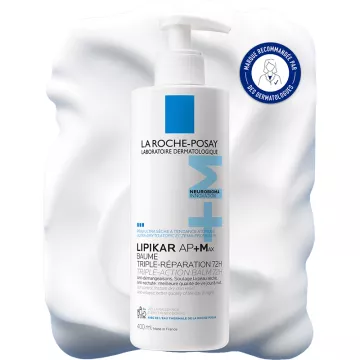
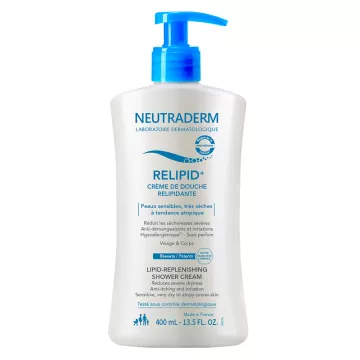
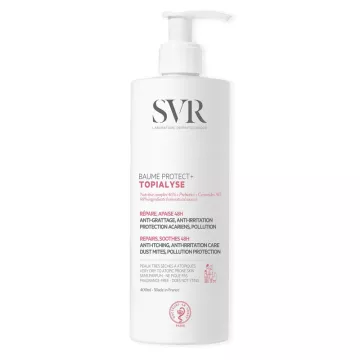
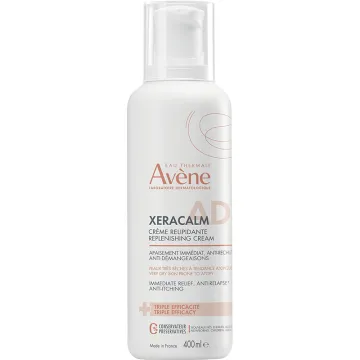
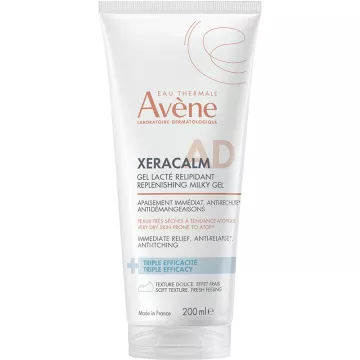
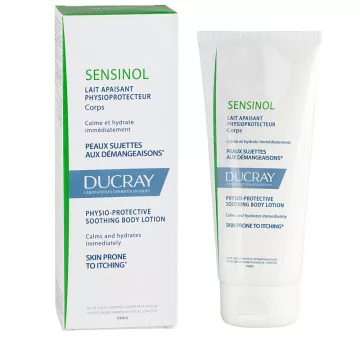
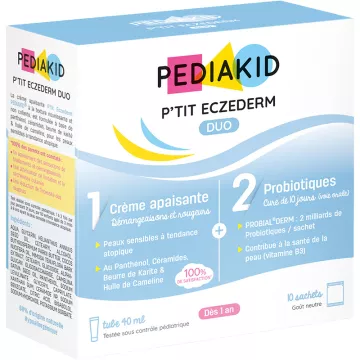
- Daily emollients (the foundation of lifelong management): ceramides, glycerin, shea butter, Rhealba® colloidal oats, to be applied 1 to 2 times a day to damp skin after showering. Certain emollients are covered by insurance with a prescription for atopic dermatitis.
- Topical corticosteroids for treating flare-ups: the cornerstone of management. Different strength classes, doses, and durations must be followed (finger-joint rule: one finger joint for an area approximately the size of two palms). To be used by prescription only; not for chronic self-medication.
- Topical calcineurin inhibitors (tacrolimus, pimecrolimus): an alternative to topical corticosteroids, particularly on the face, eyelids, skin folds, and delicate areas.
- Oral antihistamines: limited usefulness for pure eczematous pruritus. Certain sedating agents may help with sleep disturbances caused by nighttime scratching.
- NarrowbandUVB (NB-UVB) phototherapy: for extensive forms resistant to topical treatments.
- Biotherapies: dupilumab (anti-IL-4/IL-13 antibody) for moderate to severe forms; tralokinumab; lebrikizumab; oral JAK inhibitors (baricitinib, upadacitinib, abrocitinib). Strictly supervised by a dermatologist.
- Antibiotics: in cases of documented bacterial superinfection (impetiginization).
What daily habits should you adopt if you have eczema?
A consistent routine helps limit the frequency and severity of flare-ups:
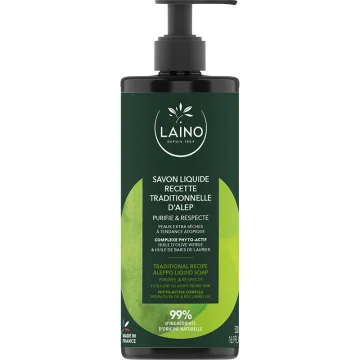
- Short, lukewarm showers (5–10 minutes) with a syndet or ultra-moisturizing gel; never use harsh soap.
- Pat dry, then apply an emollient within 3 minutes after showering, while the skin is still damp.
- Wear loose-fittingcotton clothing; use a hypoallergenic laundry detergent that is thoroughly rinsed out, without scented fabric softener.
- Keepnails short and filed to minimize damage from scratching.
- Maintain proper indoor humidity (use a humidifier if the heating system is drying out the air in winter).
- Identify and avoid personal triggers by keeping a flare-up diary.
- Manage stress through regular techniques (breathing exercises, meditation, appropriate physical activity).
Can eczema be cured?
To date, there is no definitive cure for atopic eczema: it is a chronic condition characterized by flare-ups and periods of remission. However, most patients achieve long-term control of the condition through a daily emollient routine and appropriate treatment of flare-ups. More than half of childhood cases of atopic eczema improve or resolve before adolescence.
Recent biologic therapies (dupilumab and others) have profoundly changed the prognosis for severe, treatment-resistant forms of the condition, with a significantly improved quality of life for patients who benefit from them.
Is eczema contagious?
No, eczema is not contagious. It is a condition related to an individual’s predisposition (genetic, immune, personal environment) and is not an infectious disease. It cannot be transmitted from person to person, even in the most severe or weeping forms.
Have there been any recent advances in the treatment of eczema?
The past decade has marked a turning point thanks to targeted biologics:
- Dupilumab (anti-IL-4/IL-13), the first biologic approved for moderate-to-severe atopic dermatitis, indicated for patients as young as 6 months according to European guidelines in 2023–2024.
- Tralokinumab (anti-IL-13) and lebrikizumab: targeted alternatives that are becoming increasingly available.
- Oral JAK pathway inhibitors (baricitinib, upadacitinib, abrocitinib): oral administration; specific monitoring required.
- Innovative topical treatments: ruxolitinib cream, delgocitinib (topical JAK inhibitors).
These treatments are transforming the daily lives of patients with severe forms of the condition, who have long faced a therapeutic impasse.
How does eczema affect quality of life?
The impact of eczema on quality of life is widely underestimated. Sleep is disrupted by nighttime itching and scratching, leading to chronic fatigue, anxiety, secondary depression, and loss of self-esteem (due to visible lesions on the face and hands), as well as academic or occupational consequences. Children with severe eczema and their families can be deeply affected.
Several validated studies (the DLQI and IDQOL scales for children) document an impact comparable to that of major chronic conditions. Psychological support (CBT, sophrology, hypnosis), therapeutic education (“atopy schools”), and support from patient organizations (the French Eczema Association) are invaluable complements to dermatological care.
Can eczema be triggered by environmental factors?
Yes, the environment plays a major role. The main documented triggers are:
- Airborne allergens: dust mites (especially in humid climates), pollen (seasonal), animal dander and hair, mold.
- Skin irritants: harsh soaps, detergents, disinfectants, sweat, rough fibers (wool, coarse synthetics).
- Climate: dry winter cold and drying indoor heating, sun exposure (mixed effects: often improved by moderate UV exposure, sometimes worsened by heat).
- Urban pollution: fine particulate matter, hydrocarbons, ozone.
- Tobacco and secondhand smoke, particularly in children.
- Psychological stress, significant life events.
- Viral infections (colds, chickenpox): may precede or accompany a flare-up.
What is the link between eczema and diet?
The role of diet in eczema is more limited than is often thought. Food allergies (cow’s milk, eggs, peanuts, tree nuts, soy, wheat, fish, and shellfish) are involved in a small number of cases, primarily in atopic children under 5 years of age with moderate to severe eczema.
Dietary eliminations in the absence of a documented allergy are not recommended: they do not improve eczema and may lead to nutritional deficiencies, particularly in children. If an allergy is suspected, a structured allergy evaluation (prick tests, specific IgE testing, and oral challenge tests if necessary) remains the only valid approach.
A varied diet rich in omega-3s (fatty fish, flaxseed, chia seeds, walnuts), plant-based antioxidants, and fiber supports overall skin health without constituting a specific treatment.
Can eczema affect parts of the body other than the skin?
Atopic eczema is part of the “atopic march ”: eczema in early childhood may be followed (though not always) by the development of allergic rhinitis, asthma, or food allergies. This progression has been documented but is not inevitable.
Locally, eczema can affect several specific areas:
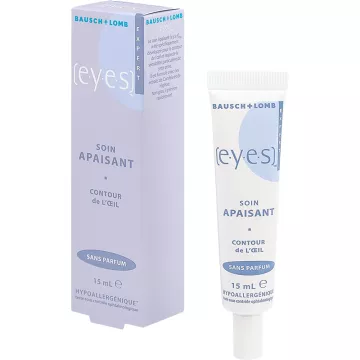
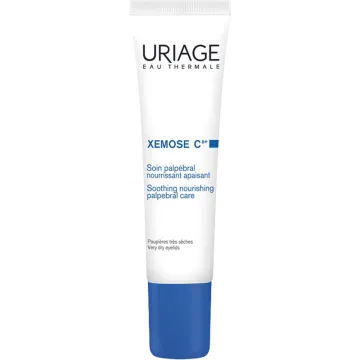
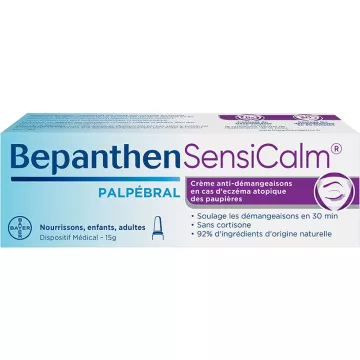
- Eczema of the eyelids: a thin-skinned area, often linked to an allergen (cosmetics, nail polish due to rubbing).
- Eczema of the lips (cheilitis) and around the mouth.
- Hand eczema: very common among professionals who have repeated contact with water, gloves, and detergents.
- Bacterial secondary infections (staphylococcal impetigo) or viralsecondary infections (eczema herpeticum = a severe form requiring urgent medical attention).
What are the risks of prolonged use of topical corticosteroids?
When used properly, topical corticosteroids are effective and well-tolerated medications. Prolonged, inappropriate, or continuous use without medical supervision can lead to local side effects:
- Skin atrophy (thinning of the skin).
- Telangiectasias (visible small blood vessels), stretch marks in thin-skinned areas (skin folds, inner thighs, abdomen).
- Localizedhypopigmentation or hyperpigmentation.
- Corticosteroid-induced acne, perioral dermatitis, and worsening of rosacea.
- Increased susceptibility to skin infections.
- Rebound effect upon abrupt discontinuation.
- Very rarely, systemic effects (when applied to large areas or on the thin skin of infants).
“Corticosteroid phobia” is a common barrier to the appropriate use of these treatments, even though properly prescribed topical corticosteroids remain a safe and effective mainstay of eczema treatment. Talking with your doctor allows you to tailor the treatment and reap the benefits without incurring the risks.
Are there any natural remedies or alternative therapies?
Several natural complementary approaches can support treatment:
- Colloidal oatmeal baths: documented soothing effect on mild to moderate itching.
- Coconut oil or sweet almond oil on very dry areas of the body (avoid using on acne-prone skin due to its potentially comedogenic nature).
- Aloe vera gel: soothes heated and irritated areas.
- Emollients enriched with panthenol and allantoin: recognized for their beneficial effects on skin comfort.
- Stress management techniques: meditation, sophrology, hypnosis. Several studies support their benefits in chronic inflammatory conditions.
Homeopathy, which patients sometimes seek out, lacks solid clinical evidence for its effectiveness in treating eczema. Herbal medicine may occasionally cause contact allergies. Any complementary treatment should be discussed with a dermatologist or pharmacist, especially if you are currently taking medication.