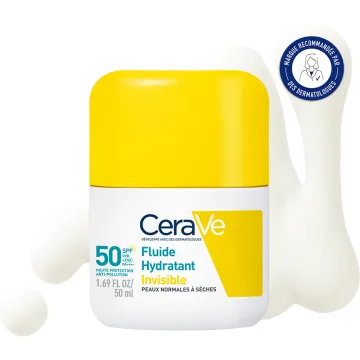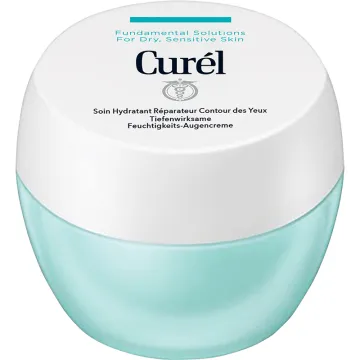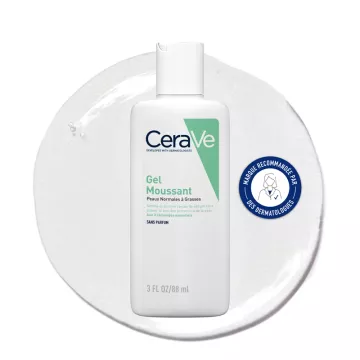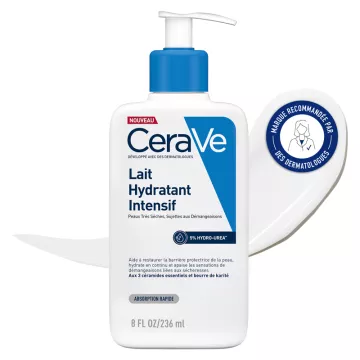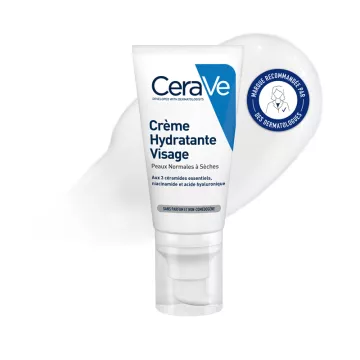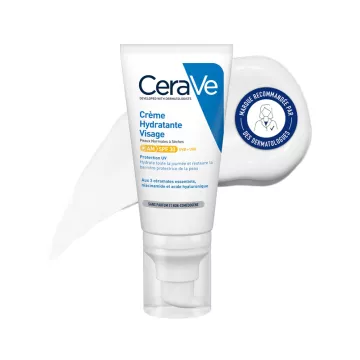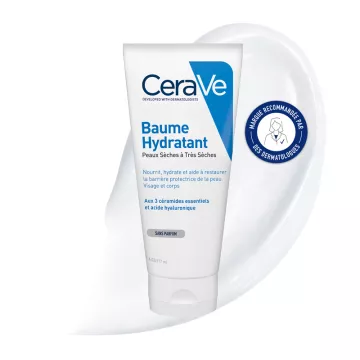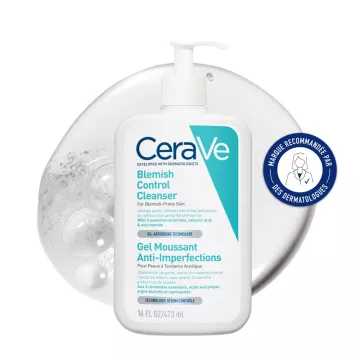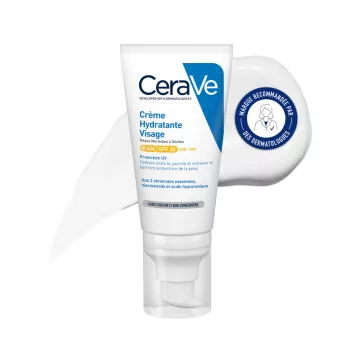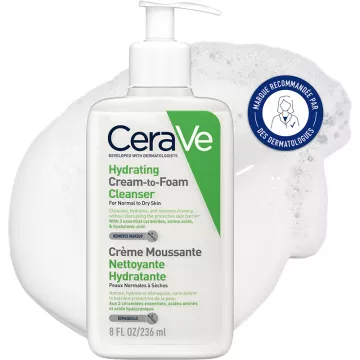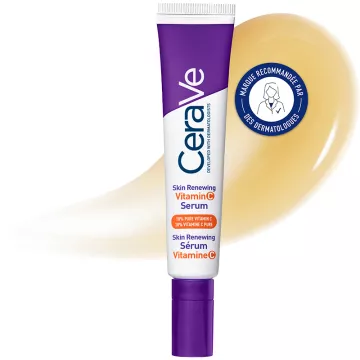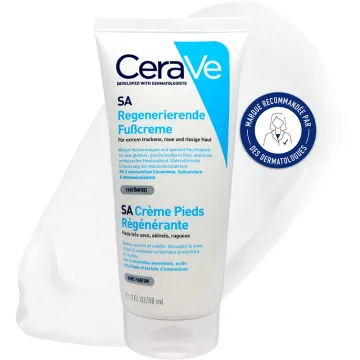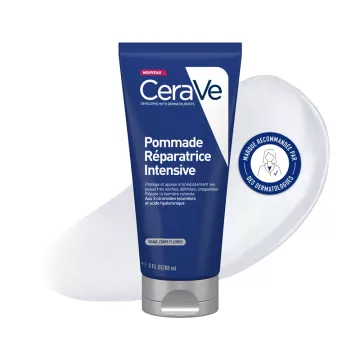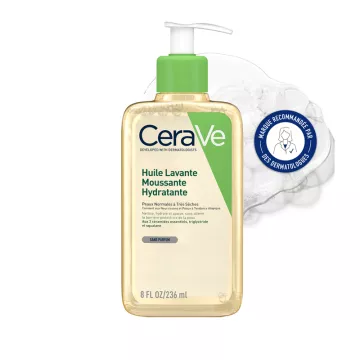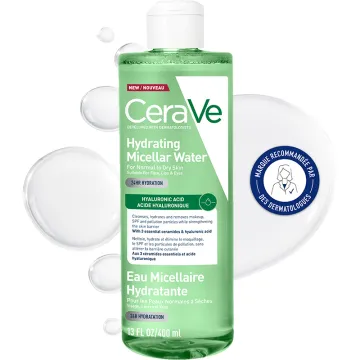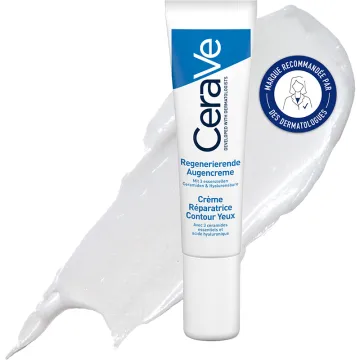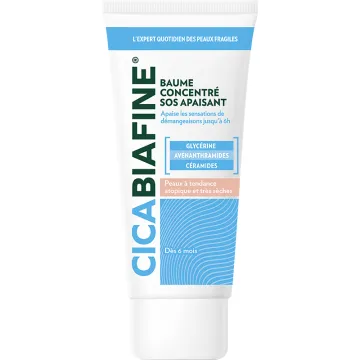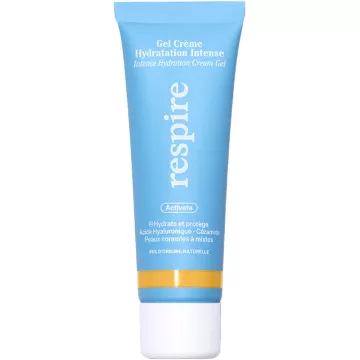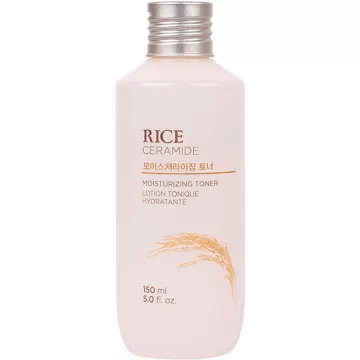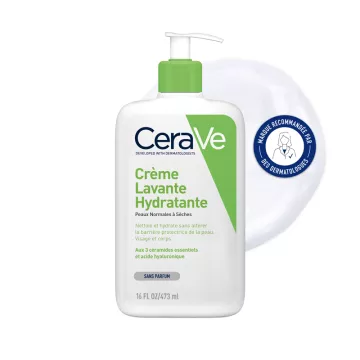
Ceramides are lipids naturally present in the skin. They account for approximately 50% of the lipids in the intercellular cement, that is, the matrix that “binds” the cells of the stratum corneum together. They play a major structural role in the skin barrier by maintaining a cohesive lipid organization that limits insensible water loss and the penetration of external aggressors.
When ceramide levels decrease, the skin loses its cohesion: it becomes drier, rougher, and more reactive, and is less tolerant of pollution, cold, or detergents. This is why they have become a key ingredient in moisturizers, reparative skincare products, and routines for sensitive, mature, or atopic-prone skin.
Ceramides offer several recognized cosmetic benefits for the skin’s visible health:
Over time, the skin gradually loses its ability to synthesize sufficient amounts of ceramides. This process begins in one’s thirties and accelerates due to a combination of factors: UV exposure, pollution, hormonal changes (particularly during menopause), smoking, and oxidative stress.
The result is thinner, drier, and more vulnerable skin that dehydrates more quickly and shows signs of fatigue and sagging sooner. For mature skin, incorporating ceramide-rich skincare products helpsmanage this change and maintain the skin’s comfort on a daily basis.
Contrary to popular belief, ceramides aren’t just for dry skin. Combination to oily skin and acne-prone skin can also benefit from them: dehydrated skin tends to react by producing more sebum to compensate, which can perpetuate an imbalance.
Skincare products formulated with ceramides help maintain proper hydration without weighing down the skin, and are particularly suitable for skin weakened by anti-blemish ingredients (cosmetic retinol, salicylic acid, benzoyl peroxide), which often compromise the skin barrier. Opt for lightweight, non-comedogenic formulas.
Yes, ceramides are frequently included in skincare products for atopic-prone skin and skin prone toeczema. Studies have shown a relative deficiency of ceramides in the stratum corneum of atopic skin, which contributes to marked dryness and hypersensitivity to irritants.
In skincare, applying products rich in ceramides helps to:
These skincare products are intended as a complementary cosmetic treatment and do not replace dermatological care in cases of eczema flare-ups, established atopic dermatitis, or psoriasis: a medical consultation is necessary to tailor the treatment.
Ceramides are available in a variety of cosmetic formats, to be chosen based on your skin type and your specific goal:
For a balanced skincare routine, ceramides pair well withhyaluronic acid (for hydration), essential fatty acids, and niacinamide (for comfort and improved skin texture).
Beyond cosmetic applications, certain foods naturally contain phytoceramides and lipid precursors that contribute to overall skin balance:
Scientific data on oral ceramide supplementation and its direct impact on eczema or sensitive skin remain limited. More generally, a balanced diet rich in omega-3 and omega-6 fatty acids supports skin health by providing the fatty acids necessary for the synthesis of skin lipids.
When used in cosmetics, ceramides are generally well tolerated, even by sensitive and reactive skin. The term “hypoallergenic,” frequently associated with these products, means that the formula has been designed to minimize the risk of an allergic reaction—it does not guarantee a complete absence of reaction.
As with any cosmetic product, an intolerance reaction may occur, most often related to other ingredients in the formula (fragrances, preservatives). If you have very reactive skin or a known allergy, it is recommended to test the product on a small area (such as the crook of the elbow) for 48 hours before use. If you experience widespread redness, severe itching, or swelling after application, discontinue use and consult a healthcare professional.
Ceramides are an active ingredient that helps structure the skin barrier. Whether the goal is to support hydration in dry skin, soothe reactive skin, or nourish mature skin, they offer a consistent and well-researched solution in cosmetics.
Their compatibility with virtually all skin types makes them a versatile ingredient in modern skincare routines, complementing a healthy lifestyle (sleep, hydration, a balanced diet, and sun protection). For skin affected by conditions such as eczema, psoriasis, or seborrheic dermatitis, consulting a dermatologist remains essential to tailor your skincare routine.