0
Menu

The secret to soothing atopic skin

Filter
Number of products : 57
Sort
Sort
Close
Sebclair Steroid-free cream for seborrheic dermatitis 30ml Sebclair Steroid-free cream for seborrheic dermatitis 30ml
€10.99
Shipped within 24h
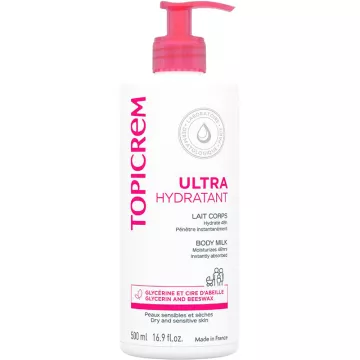
Topicrem Ultra Moisturizing Body Lotion -€2.00 Topicrem Ultra Moisturizing Body Lotion
200 ml 500 ml +
€13.90 €15.90
Add to cart
Shipped within 24h
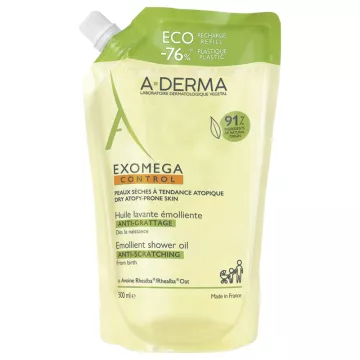
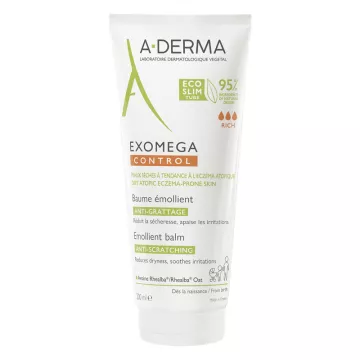
A-Derma Exomega Control Emollient Balm A-Derma Exomega Control Emollient Balm
€17.49
Shipped within 24h
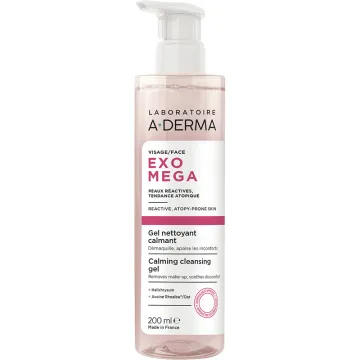
Exomega Calming Facial Cleansing Gel A-derma 200ml Exomega Calming Facial Cleansing Gel A-derma 200ml
€13.49
Shipped within 24h
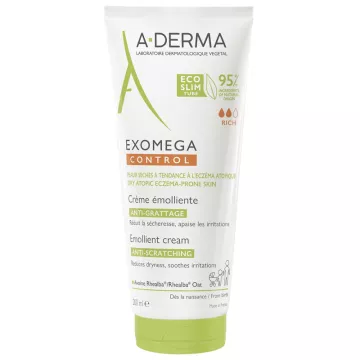
A-Derma Exomega Control Anti-scratch emollient cream 200 ml A-Derma Exomega Control Anti-scratch emollient cream 200 ml
€17.49
Shipped within 24h
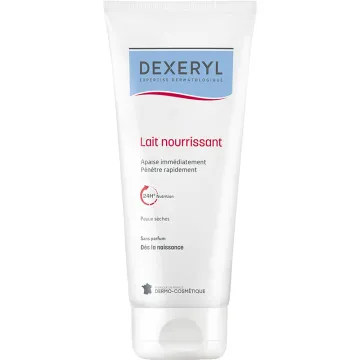
Dexeryl Nourishing Lotion Dexeryl Nourishing Lotion
200 ml 500 ml
€8.12
Add to cart
Shipped within 24h
A-Derma Exomega Control Anti-Scratching Emollient Spray A-Derma Exomega Control Anti-Scratching Emollient Spray
€19.90
Shipped within 24h
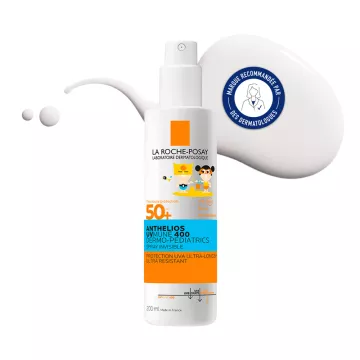
Anthelios UVMune 400 Dermo-Pediatrics Invisible Spray SPF50+ 200 ml Anthelios UVMune 400 Dermo-Pediatrics Invisible Spray SPF50+ 200 ml
€20.90
Shipped within 24h
Topicrem DA Baume Emollient Visage & Corps -€2.00 Topicrem DA Baume Emollient Visage & Corps
200 ml 500 ml
€16.29 €18.29
Add to cart
Shipped within 24h
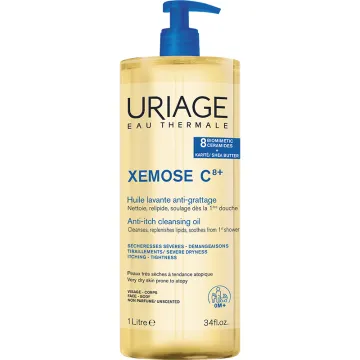
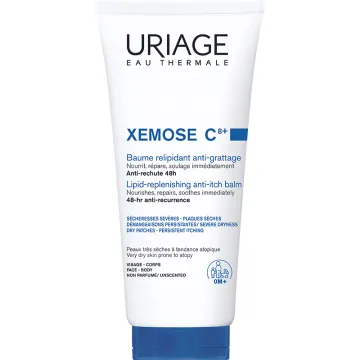
Uriage Xemose C8+ Anti-Scratching Cleansing Oil Uriage Xemose C8+ Anti-Scratching Cleansing Oil
1 litre
€21.90
Add to cart
Shipped within 24h
Topicrem DA Protect Cleansing Oil 500 ml -€2.00 Topicrem DA Protect Cleansing Oil 500 ml
€11.99 €13.99
Shipped within 24h
Topicrem Ultra Moisturizing Shower Gel 1L -€2.00 Topicrem Ultra Moisturizing Shower Gel 1L
€7.89 €9.89
Shipped within 24h
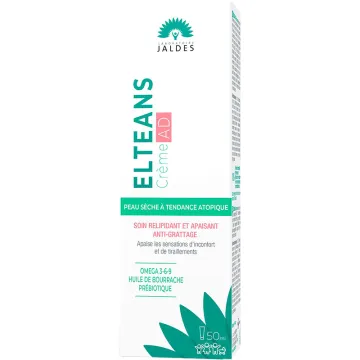
Elteans AD Lipid-Replenishing Cream 50 ml Elteans AD Lipid-Replenishing Cream 50 ml
€14.96
Shipped within 24h
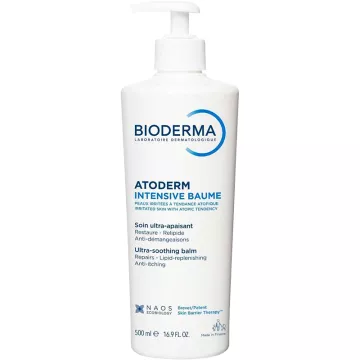
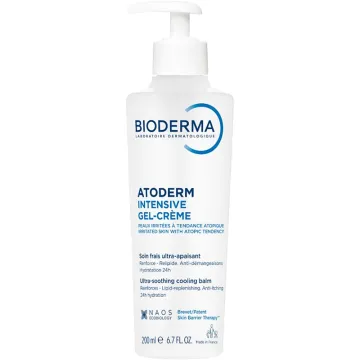
Bioderma Atoderm Intensive Gel-Cream Bioderma Atoderm Intensive Gel-Cream
200 ml 500 ml
€14.95
Add to cart
Shipped within 24h
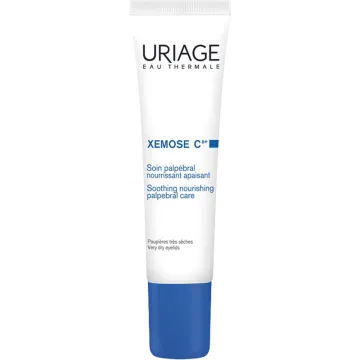
Uriage Xemose C8+ Soothing Nourishing Eye Care 15ml Uriage Xemose C8+ Soothing Nourishing Eye Care 15ml
€15.90
Shipped within 24h
A-Derma Exomega Allergo Emollient Balm A-Derma Exomega Allergo Emollient Balm
200 ml 40 ml
€20.90
Add to cart
Shipped within 24h
Dexyane Ducray Emollient Balm Dexyane Ducray Emollient Balm
200 ml 400 ml
€16.45
Add to cart
Shipped within 24h
Ducray Dexyane Med Face, Body and Hand Cream Ducray Dexyane Med Face, Body and Hand Cream
30 ml 100 ml
€10.90
Add to cart
Usually ships in 48 hours.
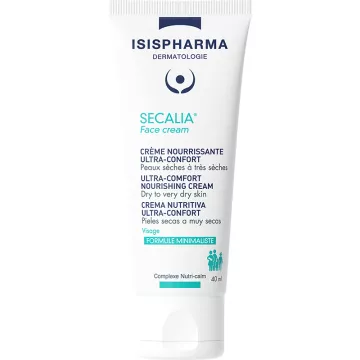
Isispharma Secalia Face Cream Ultra-Comfort Nourishing Cream 40 ml Isispharma Secalia Face Cream Ultra-Comfort Nourishing Cream 40 ml
€12.90
Shipped within 24h
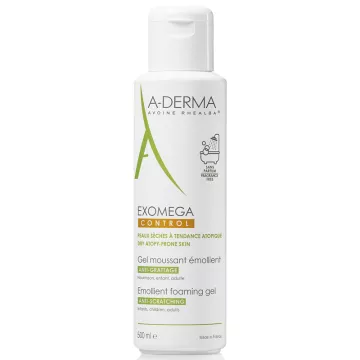
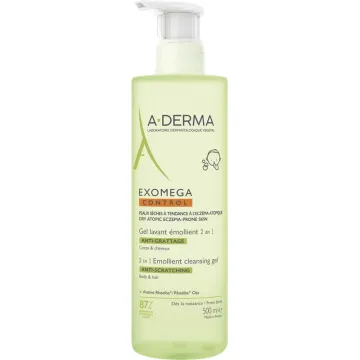
A-Derma Exomega Control Foaming emollient gel 500 ml A-Derma Exomega Control Foaming emollient gel 500 ml
€16.90
Shipped within 24h
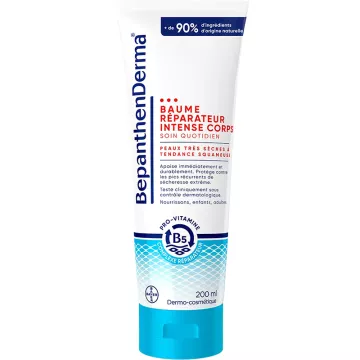
BepanthenDerma Intense Body Repair Balm BepanthenDerma Intense Body Repair Balm
€15.40
Shipped within 24h
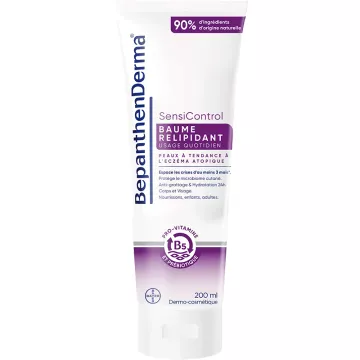
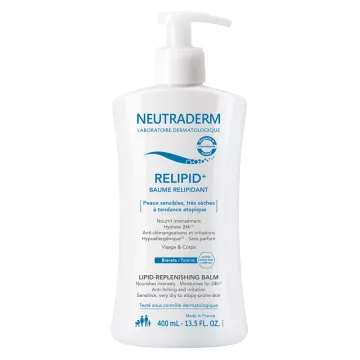
BepanthenDerma SensiControl Relipidant Balm BepanthenDerma SensiControl Relipidant Balm
200 ml 400 ml
€16.30
Add to cart
Shipped within 24h
Aderma Epitheliale Ah Ultra Repair Patch Balm 50g Aderma Epitheliale Ah Ultra Repair Patch Balm 50g
€12.90
Shipped within 24h
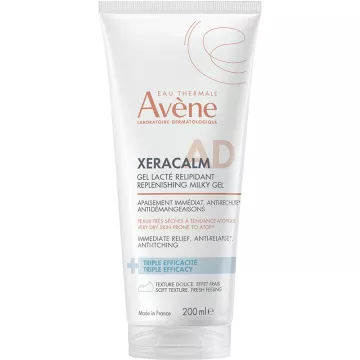
Avene Xeracalm A.D Relipidizing Milky Gel 200ml Avene Xeracalm A.D Relipidizing Milky Gel 200ml
€17.90
Shipped within 24h
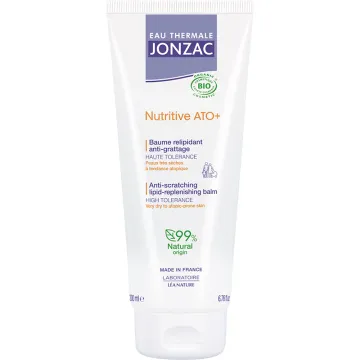
Jonzac Nutritive ATO+ Relipidant Balm Jonzac Nutritive ATO+ Relipidant Balm
200 ml
€13.69
Add to cart
Shipped within 24h
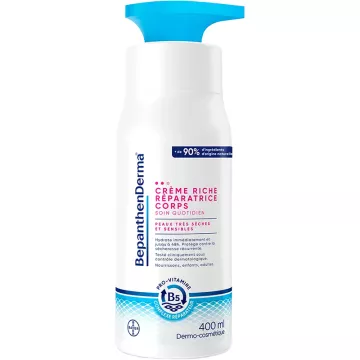
BepanthenDerma Rich Repairing Body Cream BepanthenDerma Rich Repairing Body Cream
200 ml 400 ml +
€18.49
Add to cart
Ships in 5 to 7 working days
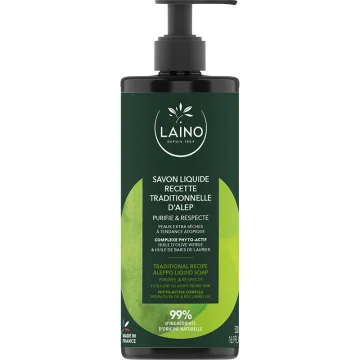
Laino Liquid Aleppo Soap 500 ml Laino Liquid Aleppo Soap 500 ml
€11.90
Shipped within 24h
La Roche-Posay Toleriane Ultra Dermallergo Moisturizing Fluid 40 ml La Roche-Posay Toleriane Ultra Dermallergo Moisturizing Fluid 40 ml
€20.90
Shipped within 24h
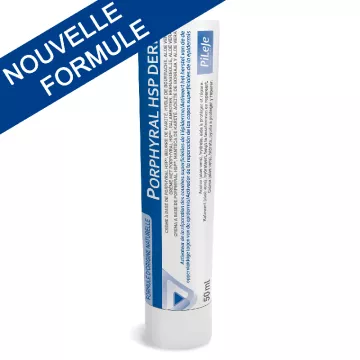
Porphyral HSP Derm Pileje Cream 50 ml Porphyral HSP Derm Pileje Cream 50 ml
€10.45
Shipped within 24h
Avene Cold Cream Sensitive Skin Avene Cold Cream Sensitive Skin
100 ml 40 ml
€9.25
Add to cart
Shipped within 24h
Avene Cold Cream Superfatted Bread 100 g Avene Cold Cream Superfatted Bread 100 g
€6.49
Shipped within 24h
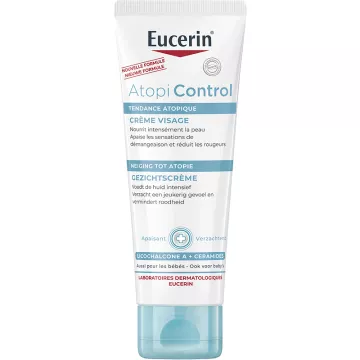
Eucerin AtopiControl Soothing Face Cream 50 ml Eucerin AtopiControl Soothing Face Cream 50 ml
€16.90
Shipped within 24h
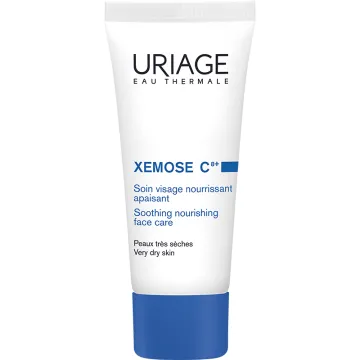
Uriage Xemose C8+ Soothing Nourishing Face Care 40ml Uriage Xemose C8+ Soothing Nourishing Face Care 40ml
€15.49
Shipped within 24h
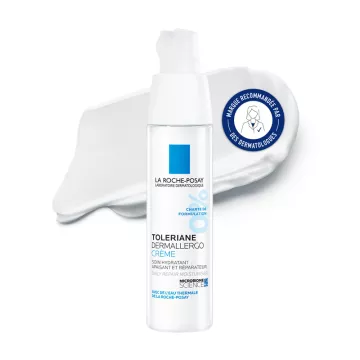
La Roche-Posay Toleriane Dermallergo cream 40 ml La Roche-Posay Toleriane Dermallergo cream 40 ml
€20.90
Shipped within 24h
SVR Topialyse Barrière Crème Réparatrice Anti Irritations 50 ml SVR Topialyse Barrière Crème Réparatrice Anti Irritations 50 ml
€6.90
Shipped within 24h
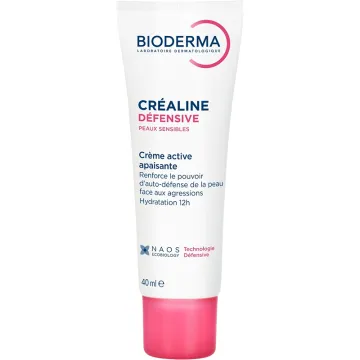
Bioderma Crealine Defensive Active Soothing Cream Bioderma Crealine Defensive Active Soothing Cream
€17.40
Shipped within 24h
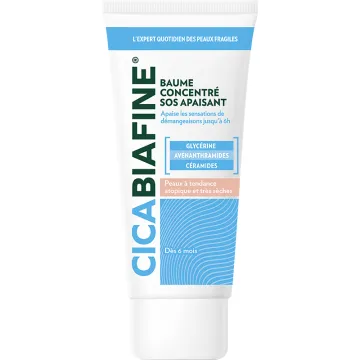
Cicabiafine SOS Soothing Balm Concentrate 75ml Cicabiafine SOS Soothing Balm Concentrate 75ml
€9.59
Shipped within 24h
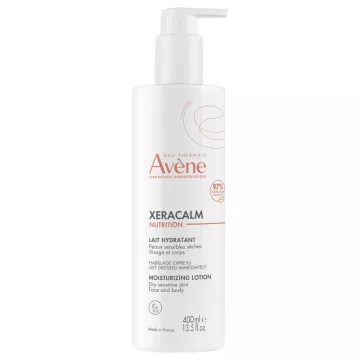
Avene Xeracalm Nutrition Moisturizing Milk Avene Xeracalm Nutrition Moisturizing Milk
200 ml 400 ml
€19.49
Add to cart
Shipped within 24h
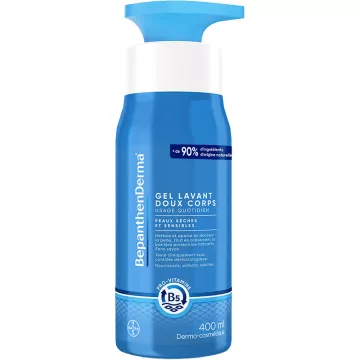
BepanthenDerma Gentle Body Wash Gel BepanthenDerma Gentle Body Wash Gel
400 ml 400 ml eco refill +
€12.46
Add to cart
Ships in 5 to 7 working days
Bioderma Skincare Atoderm soothing anti-itching body routine -€1.01 Bioderma Skincare Atoderm soothing anti-itching body routine
€38.39 €39.40
Shipped within 24h

What is atopic skin?

Atopic skin refers to a skin condition that is genetically predisposed to severe dryness, hyperreactivity to environmental allergens, and a particularly fragile skin barrier. It provides the conditions for the development of atopic dermatitis (atopic eczema), a chronic inflammatory condition characterized by flare-ups of red, dry, weeping, and intensely itchy patches.

According to the HAS and Inserm, atopic dermatitis affects approximately 15 to 20% of children and 2 to 10% of adults in France. It most often begins in early childhood and may improve in adulthood, though it does not completely disappear in some patients. Its pathophysiology involves a skin barrier dysfunction (often linked to a filaggrin deficiency), immune dysregulation, and dysbiosis of the skin microbiome.

With an appropriate skincare routine and medical follow-up during flare-ups, periods of skin comfort are significantly prolonged. Additional resources are available for eczema and the skin barrier in general.

What are the main causes?

The causes of atopic dermatitis are multifactorial:

  • Genetic predisposition: a frequent family history of atopy (asthma, allergic rhinitis, atopic dermatitis)
  • Filaggrin deficiency: a key protein in the skin barrier
  • Abnormalities in the skin microbiome: dysbiosis favoring Staphylococcus aureus
  • Th2-typeimmune dysregulation
  • Environmental allergens: dust mites, pollen, animal dander, mold
  • Food allergens (particularly in some children)
  • Climate fluctuations: dry cold, heat, sudden changes
  • Air pollution and secondhand smoke
  • Chronic stress and fatigue (neurocutaneous axis)
  • Inappropriate skincare products: alkaline soaps, harsh shower gels, fragrances
  • Synthetic fabrics or wool in direct contact with the skin
  • Hard water and excessive washing with hot water
  • Concurrentviral or bacterial infections

Identifying personal triggers remains a key step in management.

How to care for your skin on a daily basis?

The management of atopic skin is based on three pillars: restoring the skin barrier, controlling inflammation, and preventing flare-ups. The recommendations from the HAS and the French Society of Dermatology emphasize simple but consistent practices.

Cleanse with lukewarm (never hot) water using a very mild, soap-free, fragrance-free product: a syndet, ultra-moisturizing gel, or cleansing oil. Showers should be kept short (5 minutes maximum). Pat the skin dry gently, without rubbing.

Applying emollients is the key step. One to two applications daily—or more, depending on the severity of dryness—visibly restore comfort. Applying emollients immediately after bathing, while the skin is still damp, optimizes moisture retention and effectiveness.

Several complementary steps reinforce this strategy:

  • Clothing made of soft natural fibers (cotton, silk, bamboo) rather than synthetics or wool
  • Hypoallergenic, fragrance-free laundry detergents; double-rinsing; and avoiding scented fabric softeners
  • Room humidity of 40–60% with a humidifier if the heating is very high
  • Moderate indoor temperature (19–21 °C in the bedroom)
  • Keep nails short to minimize scratching-related lesions
  • Lukewarm baths with colloidal oatmeal (HAS-approved) if itching occurs
  • Avoidance of identified allergens and personal triggers
  • Oral hydration: 1.5 to 2 L of water per day
  • Stress management (the neurocutaneous axis is well-documented)

A dermatology consultation is recommended in cases of frequent, widespread, weeping, or secondarily infected flare-ups, or when the condition significantly impacts quality of life.

Which products should you choose?

The choice of skincare products is crucial. Several well-documented active ingredients are particularly suitable for atopic skin:

  • Ceramides, cholesterol, and free fatty acids: mimic the natural composition of the skin barrier
  • Glycerin: a mild, well-tolerated humectant
  • Shea butter: nourishing, rich in fatty acids and fat-soluble vitamins
  • Hyaluronic acid: a major moisturizer
  • Panthenol (provitamin B5): soothing and restructuring
  • Allantoin, bisabolol, Centella asiatica: plant-based soothing agents
  • Niacinamide: supports ceramide synthesis
  • Plant-based squalane: a well-tolerated emollient
  • Plant-based oils (sweet almond, calendula, avocado): nourishing and soothing
  • Thermal waters (Avène, La Roche-Posay, Uriage, Saint-Gervais): soothing
  • Colloidal oats: a soothing agent recognized by the HAS
  • Topical probiotics and prebiotics: support the microbiome

Look for labels such as “for atopic skin,” “hypoallergenic,” “dermatologically tested,” and “fragrance-free.” Avoid: concentrated fragrances, high-proof alcohols, allergenic preservatives (methylisothiazolinone, formaldehyde, and its precursors), harsh sulfates, and untested essential oils. A 48-hour patch test is still recommended. Specific resources are available for ceramides and sensitive skin in general.

Can atopic dermatitis be cured?

Atopic skin is a constitutional condition: it cannot be “cured” in the strict sense, but skin comfort can be significantly improved and flare-ups can be spaced out with appropriate management. In children, atopic dermatitis often improves spontaneously as they grow: according to Inserm, approximately 60% of affected children see their symptoms significantly subside during adolescence or adulthood.

For persistent forms, the course of the condition depends on the rigor of management: a daily emollient routine, avoidance of triggers, early treatment of flare-ups with prescribed topical corticosteroids, and a healthy lifestyle. Current research (particularly in biotherapies) has transformed the prognosis for severe forms of the condition.

What is an appropriate diet?

Diet can influence the course of atopic dermatitis, though it is not the sole cause. Restrictive diets are not routinely recommended and must be medically supervised, particularly in children to prevent nutritional deficiencies.

In some patients, food allergies can trigger or worsen flare-ups (eggs, cow’s milk, peanuts, soy, gluten, tree nuts, fish). Elimination of these foods is justified only after confirmation by allergy testing. A food diary can help identify associations.

In general, a beneficial diet includes:

  • Fatty fish twice a week for anti-inflammatory omega-3 EPA and DHA
  • Colorful fruits and vegetables: 5 servings per day (vitamins, polyphenols, antioxidants)
  • Adequate vitamin D (deficiency is common in atopic conditions)
  • Zinc (oysters, meats, legumes): supports healthy skin
  • Dietary probiotics (plain yogurt, kefir, lacto-fermented vegetables): support for the gut microbiota
  • Oral hydration: 1.5 to 2 L of water per day

Limit: ultra-processed foods, fast-acting sugars, excessive alcohol (in adults), and excessive dairy products in sensitive patients.

Atopic dermatitis or eczema: what’s the difference?

The terms are often used interchangeably, but they do not refer to the same thing. Atopic skin refers to a constitutional predisposition: a skin type prone to intense dryness and hyperreactivity. A person can have atopic skin without showing any active lesions.

Atopic dermatitis (atopic eczema) refers to the chronic inflammatory disease that develops on this constitutional basis. It manifests as erythematous, weeping, or scaly patches that are itchy and occur in flare-ups. The sites of involvement vary by age: the face and skin folds in infants; the elbow and knee creases in children; and the hands and face in adults.

Other forms of eczema exist (allergic contact eczema, dyshidrotic eczema) that are unrelated to atopy: their management and prognosis differ. Specific resources are available for itching andskin allergies in general.
Is it more prone to infections?

Yes, atopic skin is more susceptible to infections due to several factors: an impaired skin barrier, lesions caused by scratching, local immune deficiency, and very frequent colonization by Staphylococcus aureus. The most common infections include bacterial impetigo caused by staphylococci or streptococci, viral infections (herpes, the potentially severe Kaposi-Juliusberg herpetic eczema), and, more rarely, fungal skin infections.
Prompt medical evaluation is necessary in cases of profuse oozing, honey-colored crusts, clusters of vesicles, fever, sudden spread of the rash, or unusual skin pain. It is essential to avoid contact with individuals who have cold sores.

Prevention involves rigorous daily care, early treatment of outbreaks, good hand hygiene for the patient and those around them, and keeping vaccinations up to date.

What impact does the climate have?

Climate variations strongly influence the course of atopic dermatitis.Winter combines cold outdoor temperatures with drying indoor heating: it is the most challenging season for most patients. Emollient treatments are intensified, a humidifier becomes useful, and protective cotton clothing is recommended.

Summer generally brings relief thanks to humidity and moderate sun exposure (a well-documented anti-inflammatory effect), but sweating can trigger flare-ups, especially in skin folds. Swimming in seawater is often well tolerated and soothing, provided the skin is rinsed with fresh water and immediately rehydrated.

Spring can be difficult if there is a concurrent pollen allergy.Fall is a time to prepare for winter: gradually increase the use of emollients.

What medical treatments are available?

According to recommendations from the HAS and the French Society of Dermatology, the medical management of atopic dermatitis falls under the purview of a dermatologist. Treatment is tailored to the severity of the condition, the patient’s age, and the impact on quality of life.

Treatment options include:

  • Daily emollients as systematic maintenance therapy (reimbursed for certain indications)
  • Topical corticosteroids: the standard of care for flare-ups, with intensity and duration adjusted as needed
  • Calcineurin inhibitors (tacrolimus, pimecrolimus): to reduce corticosteroid use, for sensitive areas (face, skin folds)
  • Oralantihistamines: control of itching, especially if it interferes with sleep
  • Antibiotics in cases of confirmed bacterial superinfection
  • Narrow-band UVB phototherapy for extensive forms
  • Systemic immunosuppressants (cyclosporine, methotrexate) for severe forms
  • Targetedbiologics (dupilumab, tralokinumab, baricitinib, upadacitinib): a major advance for severe forms in adults and adolescents
  • Therapeutic education in atopy schools: documented improvement in disease control

Self-medication with corticosteroids without medical advice should be avoided, particularly on the face, in skin folds, and in children. Your licensed pharmacist remains a valuable resource for guiding your daily skincare routine and complementing medical care. Specific resources are available for dry skin and dry skin in infants in general.