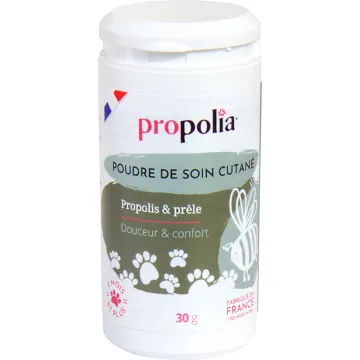
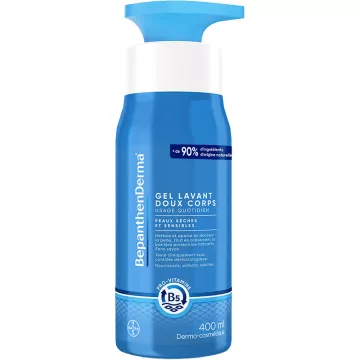
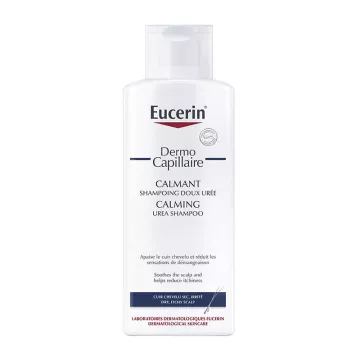
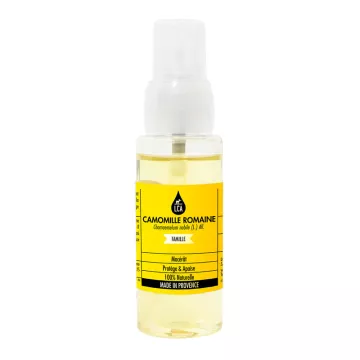
Content written for informational purposes and reviewed by Dr. Arnaud, Ph.D. in Pharmacy. This article is not a substitute for individualized medical advice. Intense, persistent, generalized pruritus (itching), accompanied by fever, icterus (jaundice), a decline in general health, or suspicious skin changes, warrants prompt medical attention. Sources: French National Authority for Health (HAS), French National Institute of Health and Medical Research (Inserm), French Society of Dermatology (SFD).
What causes itching?
Itching (medical term: pruritus) is a skin sensation that triggers the urge to scratch. There are many causes:
- Skin-related causes: eczema (atopic, contact), psoriasis, seborrheic dermatitis, hives, lichen, fungal infections, scabies (typically causes nighttime itching and is contagious), dry skin (xerosis).
- Allergic reactions: to medications, foods, insect bites, or cosmetics.
- Systemic causes: liver diseases (cholestasis, jaundice), kidney diseases (chronic kidney disease), thyroid disorders, diabetes, iron-deficiency anemia, blood disorders (lymphomas, polycythemia vera), neurological conditions.
- Neurogenic causes (paresthetic notalgia, neuropathies).
- Psychogenic or psychosomaticcauses, in which stress amplifies a skin sensation.
- Iatrogenic causes: adverse effects of various medications (opioids, antibiotics, antihypertensives).
Identifying the location, progression, triggering factors, and associated signs guides diagnosis and management.
How can itching be effectively relieved?
Relief depends on the underlying cause. As a first-line treatment:
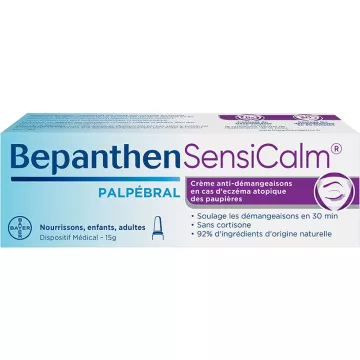
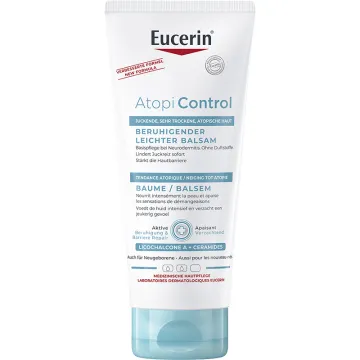
- Daily emollient care (ceramides, glycerin, shea butter, allantoin, panthenol B5) to restore the skin barrier.
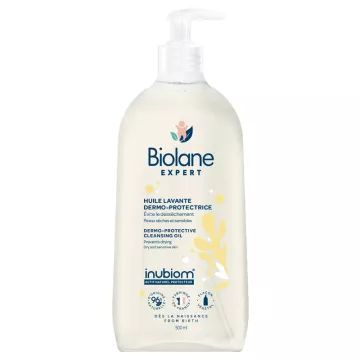
- Lukewarm (not hot) water, short showers, syndets, or ultra-moisturizing cleansers.
- Clothing made of breathable fabrics (cotton); avoid rough fabrics.
- Keep nails trimmed short to minimize scratching and secondary infection.
- Oral antihistamines for allergy-related itching: available with a pharmacist’s recommendation (cetirizine, loratadine, second-generation desloratadine—less sedating; hydroxyzine—more sedating). Precautions: driving, use with other sedative medications.
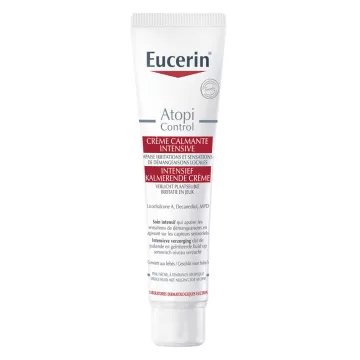
- Topical corticosteroids by prescription, applied to inflamed areas (eczema, dermatitis), for a short duration as recommended.
- Specific treatment of the underlying cause once identified (antifungal for fungal infections, antiparasitic for scabies, treatment of the underlying condition, etc.).
Can itching be a sign of a serious illness?
Yes, certain situations should raise concern. Itching with no identifiable skin cause, or that is persistent or accompanied by systemic symptoms, may indicate a systemic condition:
- Hepatic cholestasis (with or without jaundice), hepatitis, cirrhosis.
- Chronic kidney disease (uremic pruritus).
- Thyroid dysfunction (hypothyroidism or hyperthyroidism).
- Uncontrolled diabetes.
- Iron-deficiency anemia.
- Blood disorders: lymphomas (particularly Hodgkin’s lymphoma, where pruritus may precede diagnosis), polycythemia vera.
- Neurological disorders.
- More rarely, paraneoplastic syndromes.
Chronic pruritus (> 6 weeks) that is unexplained, generalized, or associated with fever, weight loss, night sweats, jaundice, or changes in general health requires prompt medical consultation to guide diagnostic testing (liver and kidney function tests, complete blood count, TSH, ferritin, and sometimes imaging or a hematology consultation).
What are some home remedies for itching?
Several simple measures can provide relief for mild cases:
- Cool compresses (local anesthetic effect from the cold).
- Warmcolloidal oatmeal baths for 10 to 15 minutes: known to soothe itching (eczema, hives). Pat dry.
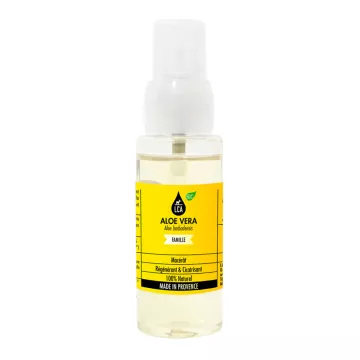
- Purealoe vera gel, which is soothing and well-tolerated.
- A rich emollient after showering.
- Low-concentration menthol ointment (cooling effect); use with caution in children, avoiding the infant’s face.
- Baking soda in the bath: use only occasionally; its alkaline pH (~9) may irritate delicate skin with repeated use.
These approaches are not a substitute for medical care in cases of widespread, persistent itching, or itching that significantly impacts daily life. Test any new product on the inner elbow for 24 to 48 hours before regular use.
When should you see a doctor for itching?
You should see a doctor if you experience:
- Itching that has persisted for more than a few weeks with no obvious cause.
- Widespread or generalized itching.
- Severe itching that disrupts sleep or daily life.
- Associated symptoms: fever, jaundice (yellowing of the skin or eyes), dark urine, weight loss, night sweats, severe fatigue, polyuria/polydipsia, changes in bowel habits.
- Extensive, weeping, or secondarily infected skin lesions (redness, warmth, pus).
- Pruritus in pregnant women (particularly in the third trimester: rule out intrahepatic cholestasis of pregnancy, a condition that requires prompt medical attention).
- Nocturnal pruritus with family members also experiencing itching (suspected scabies; requires medical confirmation).
- Itching in a child that interferes with sleep or feeding.
In the event of a severe allergic reaction (swelling of the face, difficulty breathing suggestive of angioedema), call 15 or 112 immediately.
What foods can worsen itching?
In people with identified foodallergies or intolerances, certain foods can trigger or worsen itching:
- Common allergens: eggs, cow’s milk, peanuts, tree nuts, shellfish, fish, soy, wheat (gluten in celiac disease, which may be associated with dermatitis herpetiformis).
- Foods that release histamine: strawberries, tomatoes, chocolate, hard cheeses, deli meats, alcohol (effects vary depending on individual profiles).
- Food colorings and preservatives: can cause reactions in certain forms of chronic hives.
Empirical elimination is not recommended without a diagnosis, particularly in children (risk of nutritional deficiencies). If a food allergy is suspected, allergy testing can provide an accurate diagnosis and guide a targeted elimination diet.
Can itching be seasonal?
Yes, several seasonal factors can influence pruritus:
- Winter, cold weather, indoor heating: dry indoor air, drier skin, classic winter pruritus (“hivernal pruriginous”), particularly in older adults. Adjust your skincare routine to include richer, more emollient products.
- Summer, heat, excessive sweating: can irritate the skin (heat rash), promote certain fungal infections, and exacerbate contact dermatitis (sweat + cosmetics).
- Spring: Pollen allergies are frequently associated with skin symptoms in atopic patients.
- Fall: seasonal transition, established skin dryness.
Adapting your skincare routine and sun protection to each season helps better control chronic pruritus.
What role does the mind play in itching?
Stress and anxiety have a bidirectional relationship with the skin:
- Episodes of stress can trigger or worsen flare-ups of eczema, psoriasis, and chronic hives.
- Conversely, chronic itching affects sleep and quality of life, which worsens overall mental well-being.
- Mental health disorders can also manifest as scratching or excoriation behaviors unrelated to an initial skin lesion (neurotic excoriations, dermatillomania).
Helpful approaches: stress management techniques (cardiac coherence, mindfulness meditation, sophrology, yoga), regular physical activity, adequate sleep, and psychological counseling in cases of significant distress or symptoms suggestive of a behavioral disorder.
What natural treatments are available for itching?
Several natural approaches can complement standard care:
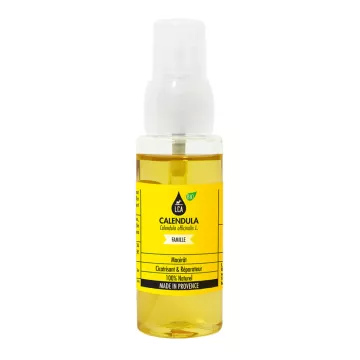
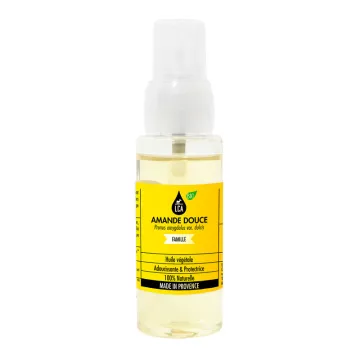
- Emollient plant oils (coconut, calendula, hemp, sweet almond) on dry skin.
- Colloidal oatmeal baths, which are well-tolerated and soothing.
- Aloe vera gel for limited areas.
- Body emollients enriched with soothing agents (allantoin, panthenol B5).
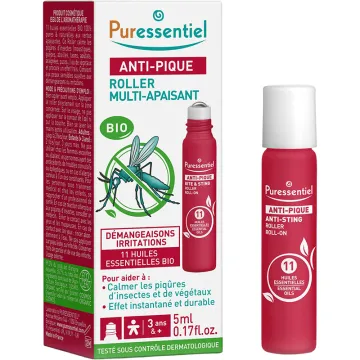
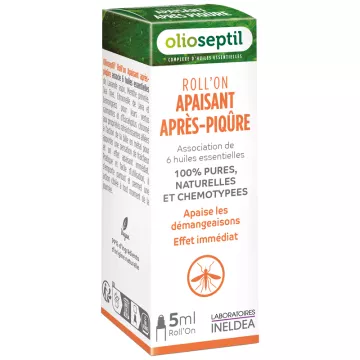
- Essential oils: Avoid using them as a first-line treatment on damaged or severely inflamed skin. If used, dilute to a maximum of 1% in a plant-based oil, perform a patch test on the inner elbow for 24 to 48 hours, and observe standard precautions (pregnancy, breastfeeding, children under 7 years of age, epilepsy, asthma).
These approaches are suitable for mild cases; moderate to severe or chronic cases require medical attention.
How can you prevent itching in your daily life?
Several habits can help prevent itching:
- Daily skin moisturization with a suitable emollient, immediately after showering.
- Gentle cleansing: lukewarm water, short showers, syndets or ultra-moisturizing products with a pH close to 5.5; avoid using loofahs.
- Wear clothing made of breathable fabrics (cotton); avoid wearing wool directly against atopic skin.
- Identify and avoid individual triggers (known allergens, strong fragrances, certain detergents).
- Use mild laundry detergents and rinse clothes twice.
- Maintain a healthy lifestyle: get enough sleep, eat a varied diet, and manage stress.
- Adapt your routine to the seasons and weather conditions.
- Regular follow-up for known chronic skin conditions (particularlysensitive and atopicskin ).
When should you see a doctor? Any persistent itching (> a few weeks) that is widespread, intense, disrupts sleep, or is accompanied by systemic symptoms (fever, jaundice, weight loss, night sweats) warrants a medical consultation. In case of a severe allergic reaction (facial swelling, difficulty breathing): call 15 or 112. Itching in pregnant women during the third trimester: report it immediately (possible suspicion of intrahepatic cholestasis of pregnancy).
Sources: HAS—recommendations on atopic dermatitis, chronic urticaria, and scabies; Inserm—skin disease dossiers; French Society of Dermatology (SFD).