What is an allergy, and how does an allergic reaction work?
An allergy is an excessive and inappropriate immune response to a substance that is usually harmless—the allergen. During the first exposure (sensitization), the body produces specific IgE antibodies that bind to mast cells and basophils. Upon subsequent exposures, the allergen binds to these IgE antibodies and triggers mast cell degranulation: a massive release of histamine, leukotrienes, and prostaglandins, which are responsible for the symptoms. This is known as Type I (immediate) hypersensitivity. Natural products for allergies are available in the store.
- Allergy vs. intolerance: An allergy involves the immune system (IgE, mast cells)—even a tiny amount of allergen can trigger a severe reaction—while intolerance (e.g., lactose intolerance) is a digestive metabolic disorder without immune involvement—digestive symptoms may appear similar, but their mechanisms and management differ—see “digestive difficulties” for food intolerances
- Anaphylaxis: the most severe and potentially life-threatening form—a generalized systemic reaction—drop in blood pressure, bronchospasm, glottal edema, widespread hives, vomiting—occurs within minutes to hours after exposure—an epinephrine auto-injector (auto-injector pen) is the emergency treatment—people at risk must carry one with them at all times
- Types of allergens: airborne (pollen, dust mites, mold, animal dander—see seasonal allergy and allergic rhinitis)—food (peanuts, tree nuts, milk, eggs, wheat, soy, shellfish, fish—the 14 major regulated allergens)—contact (skin allergy —nickel, latex, cosmetics, perfumes)—drug-related (penicillin, NSAIDs, iodinated contrast agents)
- Why do some people develop allergies? : genetic predisposition (hereditary atopic predisposition—25 to 60% risk depending on the number of atopic relatives)—hygiene hypothesis (insufficient exposure to microbes during childhood alters Th1/Th2 immune maturation) — environmental factors (pollution, climate change) — allergies can develop at any age, even in people with no prior history
How is an allergy diagnosed, and what treatments are available?
Allergy diagnosis combines a clinical interview (circumstances, timing, nature of reactions), a physical examination, and laboratory tests. Prick tests remain the gold standard for IgE-mediated allergies: a drop of allergen extract is applied to the scarified skin—a wheal ≥ 3 mm after 15 minutes confirms sensitization. Specific serum IgE (RAST) tests supplement the evaluation when prick tests are not feasible. If a food or drug allergy is suspected, provocation tests under medical supervision may be necessary.
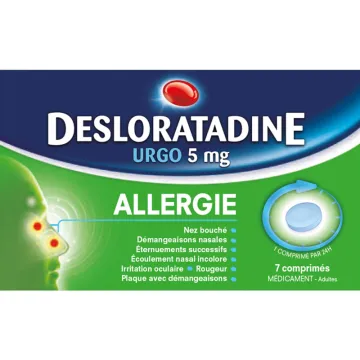
- Symptomatic treatment: second-generation antihistamines (cetirizine, loratadine, bilastine—non-sedating—sneezing, itching, runny nose)—nasal corticosteroids (fluticasone, mometasone—for both congestion and inflammation)—topical corticosteroids for the skin (eczema, contact dermatitis) — bronchodilators (allergic asthma) — antihistamine eye drops (allergic conjunctivitis)
- Allergen avoidance: a crucial preventive measure — effective only if the allergen is identified and avoidable — pollen (difficult — RNSA bulletins, closed windows, HEPA filters) — dust mites (mite-proof covers, washing bedding at 60 °C, vacuuming, humidity < 50%) — food (reading labels, mandatory declaration of the 14 major allergens in restaurants)
- Allergen immunotherapy: the only disease-modifying treatment—subcutaneous or sublingual — 3 to 5 years — indicated for severe, poorly controlled respiratory allergies — reduces sensitivity to allergens, decreases the need for medication, prevents progression to asthma and the spread of sensitization
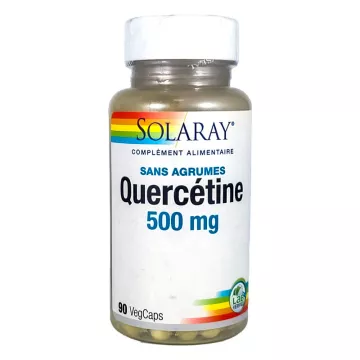
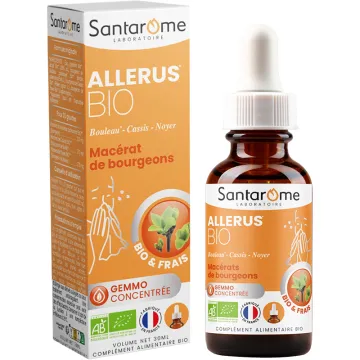
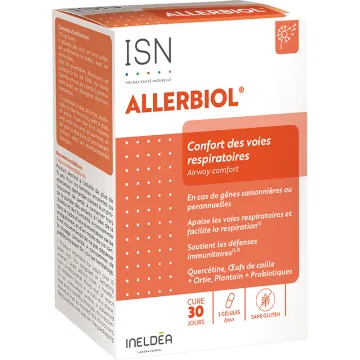
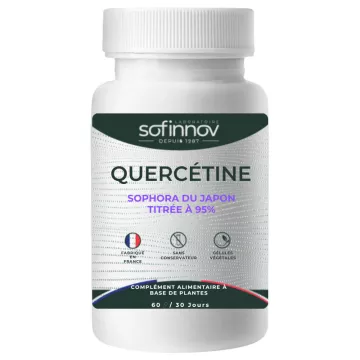
- Natural supportive supplements: quercetin (apples, onions—stabilizes mast cells and reduces histamine release)—vitamin C (reduces histamine release)—probiotics (Th1/Th2 modulation — useful for prevention in atopic children) — black cumin (Nigella sativa — documented antihistamine properties) — allergy dietary supplements
Preventing allergies and managing high-risk situations
Primary prevention of allergies—preventing their development—is particularly important for children with atopic predisposition (allergic parents). Extended breastfeeding, early and varied introduction of solid foods (particularly for major allergens starting at 4 to 6 months), controlled exposure to pets during infancy, and protection from secondhand smoke are measures with documented effectiveness. Secondary prevention (in individuals who are already sensitized) relies on allergen avoidance and early treatment.
- Allergies and indoor environmental quality: HEPA air purifier in the bedroom — relative humidity < 50% (dust mites, mold) — regular cleaning of surfaces — no carpeting in high-risk rooms — daily ventilation — pets: do not allow them in the bedroom if there is a documented allergy to dander
- Situations posing a particular risk: insect stings (bees, wasps—hymenopteran venom—possible anaphylaxis in sensitized individuals—auto-injectable epinephrine essential) — Drug allergies (NSAIDs, antibiotics — always inform the prescribing physician of any history of drug reactions) — Food allergies in school-aged children (IEP — Individualized Education Plan)
- Hay fever and allergic asthma: 20 to 40% of people with seasonal allergies develop asthma — untreated allergic rhinitis is the main risk factor — comprehensive allergy management reduces this risk — see also hay fever