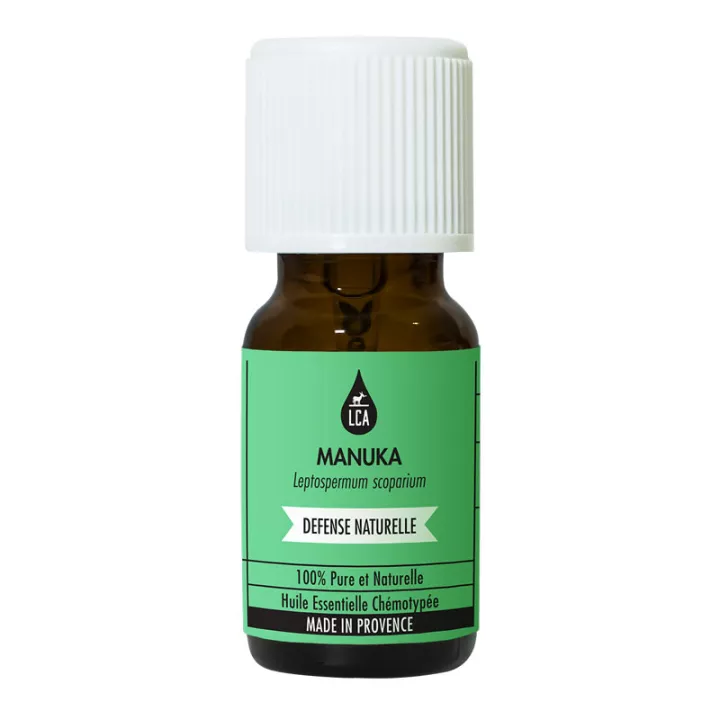
What is LCA Manuka Essential Oil 5 ml used for?
This oil is known for its broad-spectrum purifying properties. It is used in particular to purify indoor air and to treat blemish-prone skin. Its gentle scent is highly appreciated.
Indications:
- Allergies such as hay fever, pollen, animal dander, and dermatitis
- Blisters
- Warts
- Cold sores
- Athlete's foot
- Ulcers and canker sores
- Bronchitis
- Colds
- Flu
- Sinusitis
- Cough
Manuka is a small tree that grows wild in New Zealand under harsh climatic conditions. Part of the Myrtaceae family, this shrub has small, highly fragrant white and pink flowers and aromatic leaves. LCA Manuka Essential Oil is a general tonic that helps prevent seasonal illnesses. To protect yourself from viruses and germs, this oil is indispensable. It is even more powerful thantea tree essential oil, and when used in combination with other specific essential oils, it is highly effective in treating respiratory and skin infections.
Properties:
- Powerful air purifier
- Antibacterial
- Powerful antifungal (20 times more effective than tea tree essential oil against certain bacteria and germs)
- Very powerful antiviral
- Antihistamine
- Expectorant
Antibacterial
Manuka essential oil is distinguished by its powerful antibacterial effect, attributed primarily to leptospermon and flavesone. This antibacterial action is particularly effective against Gram-positive bacteria such as Staphylococcus aureus and Streptococcus faecalis, as well as against Gram-negative bacteria such as Escherichia coli, Pseudomonas aeruginosa, and Klebsiella pneumoniae. According to some sources, its antibacterial potency is up to 20 times greater than that of tea tree essential oil.
Antifungal
Thanks to its composition of leptospermone and flavesone, Manuka essential oil exhibits strong antifungal activity. It is effective against various pathogenic fungi such as Candida albicans, Tricophyton rubrum, Aspergillus niger, Microsporum canis, and Mentagrophytes.
Antiviral
The triketones present in Manuka essential oil also give it significant antiviral properties. It can therefore help relieve certain respiratory tract infections, particularly ENT infections.
Expectorant
Manuka essential oil helps clear the respiratory tract by facilitatingthe removal of mucus from the throat and bronchi, making it an effective expectorant.
Purifying
Thanks to its antibacterial, antifungal, and antiviral properties, Manuka essential oil helps purify the air by eliminating pathogenic germs, thereby helping to prevent infections.
Secondary Properties
In addition to its primary properties, Manuka essential oil also offers beneficial secondary properties:
- Soothing: It can have a calming effect on skin irritations and associated discomfort.
- Antihistamine: Its antihistamine action can help relieve allergic reactions and itching.
We also offermarjoram essential oil from LCA, a laboratory specializing in aromatherapy, at the best price in our online pharmacy.
Directions for Use and Dosage
Air Purification: For diffusion: Add the number of drops indicated in the instructions to your diffuser. Diffuse for no more than 30 minutes at a time.
ENT infections: Topical use: Rub 1 to 2 drops onto the chest
Inhalation: Breathe directly from the bottle
Skin Conditions: Topical use: Apply 1 to 2 drops undiluted directly to the affected area
Acne: Topical use: Apply 1 undiluted drop to each pimple, morning and evening after washing your face, until the acne clears up. Take a one-week break after 3 weeks of use.
Share your feedback on the usage instructions and dosage for LCA Manuka Essential Oil with our partner. Verified reviews after your purchase.
Precautions
- Keep out of reach of children.
- Pregnant and breastfeeding women
- Children under 6 years of age
- Oral use is restricted to therapists
- Asthma and epilepsy
- Neurotoxic risk
What is its composition?
30% triketones: leptospermone 18% - isoleptospermone 5% - flavesone 4%
25% sesquiterpenes: calamenene 11% - muurolla 3-5-diene 8% - copaene 4.5%
Monoterpenes
100% pure chemotyped essential oil (free of other related essential oils), 100% whole (undiluted, undeterpenated, unrectified…), 100% natural (not denatured with synthetic molecules).
Botanical name: Leptospermum scoparium
Part of the plant used: Twigs
Extraction method:Complete steam distillation
Presentation
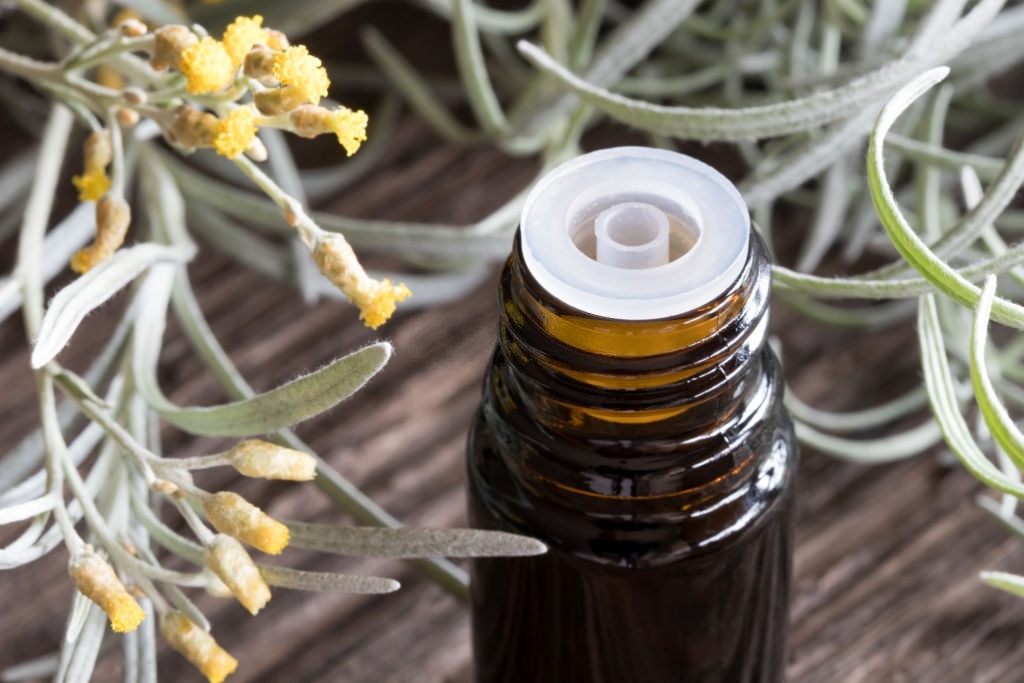
LCA Essential Oil comes in a 5 ml bottle.
Our advice and expert opinions from pharmacists
Native to New Zealand, the manuka is a shrub that can grow up to three meters tall and thrive at altitudes of up to 1,400 meters. It blooms for about 6 weeks, covered in highly fragrant, nectar-rich white flowers. A cousin of the tea tree, the manuka is a highly resilient plant, capable of withstanding both drought and frost. It is considered one of the most valuable pioneer plants, capable of helping devastated land or areas that have suffered severe deforestation to regenerate new vegetation: the manuka protects the young shoots of all other species.