Seasonal epidemics follow a relatively predictable pattern in France. The rhinovirus epidemic begins as early as September–October. RSV bronchiolitis (in infants) occurs from November through January. The flu (influenza A/B) is officially declared by the Sentinelles Network once the rate exceeds 140 consultations per 100,000 inhabitants per week—with the peak generally occurring in January–February. Norovirus gastroenteritis peaks between November and March. In the spring, pollen triggers outbreaks of allergic rhinoconjunctivitis. Understanding this timeline allows you to adapt your preventive strategy: boost immunity starting in September, and switch to active protection in December–January.
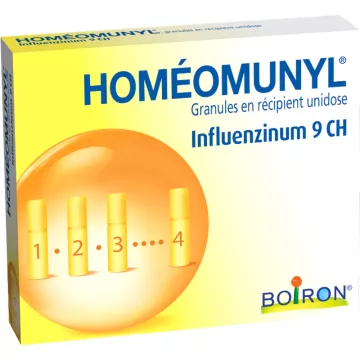
Two remedies form the core of seasonal homeopathic prevention. Thymuline (9 CH, 1 dose per week, October–December) stimulates thymus-dependent cellular immunity.Influenzinum (9 CH, 2025–2026 vaccine strain, 1 dose per week from October through March) is prescribed as a complementary or alternative homeopathic preventive measure. Homéomunyl (Boiron) combines Thymuline, Influenzinum, and Yersin Serum in a 4-dose preventive regimen. These treatments are intended to complement hygiene measures and do not claim to be as effective as the flu vaccine.
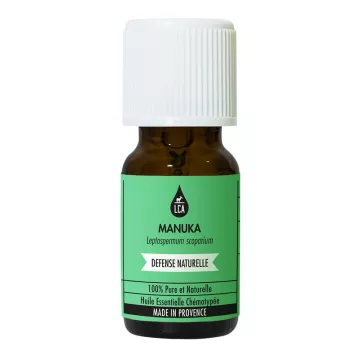
Manuka honey (methylglyoxal ≥ 400 MGO) has antibacterial (S. pyogenes, H. influenzae), antiviral (rhinovirus), and anti-inflammatory on the oropharyngeal mucosa—one teaspoon on an empty stomach in the morning during an epidemic is a documented preventive measure. Melatonin (0.5–1 mg in the evening) synchronizes nocturnal T cells and increases the production of IL-2 and IFN-γ. A study (Spiegel et al., 2002) confirms that restricting sleep to 4 hours over 6 nights reduces post-influenza-vaccination antibody production by 50%.
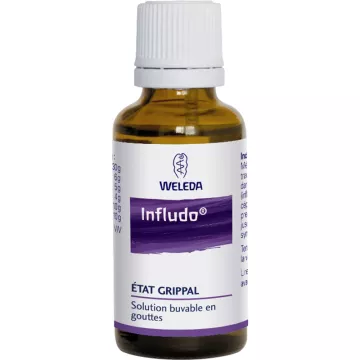
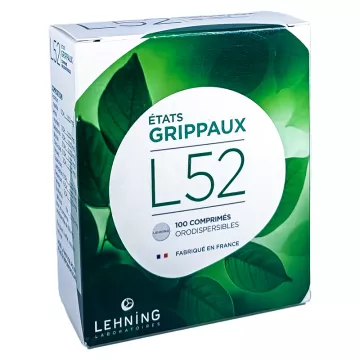
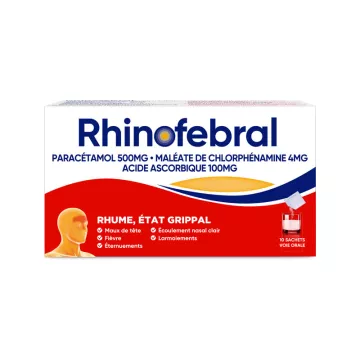
Over-the-counter medications can manage most flu-like symptoms without a doctor’s visit. Rhinofebral Day & Night simultaneously treats fever, congestion, and watery eyes. Actifed Flu-Like Symptoms combines an antipyretic and a decongestant. Lehning L52 is a gentle homeopathic alternative. Fervex Sugar-Free for Children is suitable for children weighing more than 15 kg. Weleda Infludo is the homeopathic oral solution for adults. Self-medication is appropriate for mild cases—any worsening of symptoms (persistent fever > 39.5 °C, difficulty breathing) requires a doctor’s consultation.
Sleep duration and quality are independent predictors of resistance to viral infections. According to Cohen et al. (2009), sleeping less than 7 hours per night triples the risk of rhinovirus infection. Deep sleep triggers the release of immune cytokines (TNF-α, IL-1β) and strengthens vaccine-induced immune memory. During an epidemic: maintain a regular sleep schedule, limit blue light exposure after 9 p.m., and avoid alcohol in the evening. Optimal sleep duration (7 to 9 hours for adults) is the simplest and most well-documented way to boost immunity.
People at risk of complications (age ≥ 65, chronic cardiorespiratory conditions, diabetes, immunosuppression, pregnant women, infants < 6 months) should strengthen their preventive measures during an epidemic. Annual flu vaccination is a priority for these groups—recommended by the HAS as early as October. In addition: doubling the dose of vitamin D3 (2,000–4,000 IU/day), daily zinc (15 mg), long-term probiotic therapy, and disinfection of frequently touched surfaces (door handles, phones, keyboards) with 70° alcohol. Any fever > 38.5 °C in an infant < 3 months of age or any shortness of breath in an older adult requires immediate medical attention.