The amount of sleep needed varies depending on age, genetic predisposition, and individual needs. The National Sleep Foundation’s recommendations are as follows: 14 to 17 hours for newborns, 12 to 15 hours for infants, 9 to 11 hours for school-age children, 8 to 10 hours for teenagers, 7 to 9 hours for adults, and 7 to 8 hours for older adults. More important than the sheer duration is the quality of recovery upon waking—feeling rested and alert is the best indicator that the duration is adequate. Persistent emotional fatigue upon waking, despite an apparently sufficient duration, often signals a problem with quality rather than quantity.
Chronically insufficient sleep (less than 6 hours per night for adults) leads to both short- and long-term consequences. In the short term, cognitive impairment, emotional instability, and a weakened immune system are observed. In the long term, the risk of type 2 diabetes, obesity, and cardiovascular disease increases significantly—nighttime blood pressure no longer experiences its natural physiological drop. Daytimeirritability is often the first clinical sign of sleep debt—frequently dismissed as trivial, it reveals an unmet need that deserves attention.
Increasing sleep duration starts with simple but consistent behavioral adjustments:
Treating the underlying cause of insufficient sleep—anxiety, pain, nighttime awakenings—is often more effective than trying to force yourself to sleep more through sheer willpower alone.
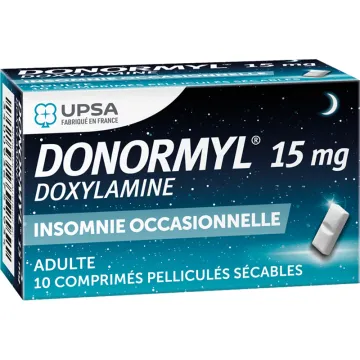
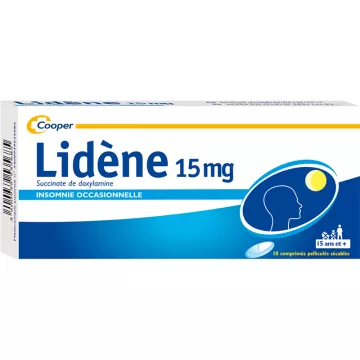
Two approaches are suited to very different profiles. Coffea tosta (homeopathic dilution of roasted coffee, 9–15CH) is the remedy for insomnia caused by mental overexcitement—the person has racing thoughts at bedtime, and the brain refuses to shut down despite fatigue. Doxylamine (an H1 antihistamine, 15 mg OTC) is the only over-the-counter medication specifically indicated for difficulty falling asleep that reduces total sleep time—sedation occurs within 30 to 60 minutes, lasting 6 to 8 hours; short courses of 3 to 5 days maximum; contraindicated in cases of glaucoma, benign prostatic hyperplasia, or when combined with alcohol. During convalescence, sleep duration naturally increases—this is a physiological recovery process that should be respected and supported.
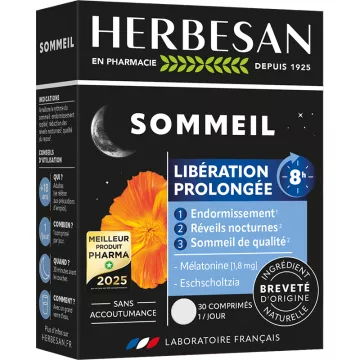
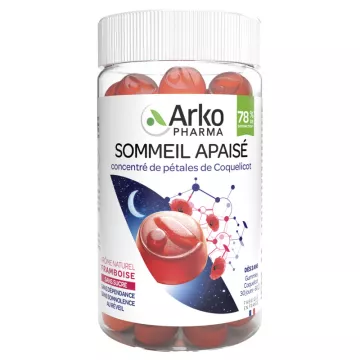
A short nap (10 to 20 minutes before 3 p.m.) is the most well-documented strategy for partially compensating for insufficient nighttime sleep—it improves alertness and cognitive performance without disrupting sleep the following night. Poppy gummies (Papaver rhoeas, mild alkaloids) offer an accessible option for gentle evening support without melatonin. LP 8h melatonin reduces early awakenings that shorten total sleep duration by maintaining a stable plasma level throughout the night. Neurasthenia is a condition in which no amount of sleep ever seems sufficient—it requires a comprehensive approach that includes adaptogens, nutritional support, and long-term stress management.