What are the signs that you need to relax?
Relaxation is a physiological need—not a luxury. Your body and nervous system send clear signals when they’ve exceeded their stress tolerance threshold. Recognizing these signals allows you to take action before you burn out. Discover our serenity and well-being products, our stress and sleep supplements, and our anti-stress formulas to help you unwind effectively.
- Persistent fatigue despite sleep: if you wake up just as tired as when you went to bed, your nervous system is no longer able to recover—a classic sign of chronic nervous exhaustion requiring immediate action
- Irritability and hypersensitivity: a disproportionate emotional reaction to minor daily incidents—chronic cortisol lowers your tolerance threshold and makes the “little things” unbearable
- Constant muscle tension: clenched jaws upon waking, shoulders constantly hunched, stiff neck, tense trapezius muscles—muscle tension is the physical manifestation of your nervous state
- Stress-related digestive disorders: bloating, cramps, alternating constipation and diarrhea—the gut reacts directly to the nervous state (gut-brain axis) and is often the first organ to signal the need to decompress
- Difficulty concentrating and brain fog: inability to finish a task, frequent forgetfulness, “mind going in circles”—excess cortisol impairs the cognitive functions of the prefrontal cortex
The Best Ways to Relax Based on Your Profile
- For restless and hyperactive people: Start with physical activity (dynamic yoga, brisk walking, swimming) before attempting seated meditation—exercise burns off adrenaline and helps you reach a state of calm afterward—practice cardiac coherence for 5 minutes after exercise to amplify the effect
- For those who are exhausted and drained: prioritize passive relaxation (a warm bath, nature, music, reading)—avoid intense exercise, which further depletes you—take magnesium in the evening + valerian/lemon balm herbal tea + gradual wind-down
- For those who are anxious and prone to rumination: mindfulness + 4-7-8 breathing + sensory grounding (5-4-3-2-1) — interrupt the thought cycle before the spiral begins — 10-minute guided meditation in the evening
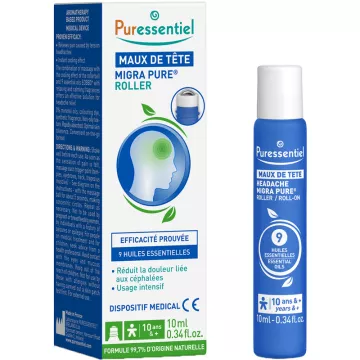
- For tension headaches: Jacobson’s progressive muscle relaxation (sequential contraction-relaxation) + true lavender essential oil on the temples diluted in a vegetable oil + magnesium (deficiency = frequent tension headaches) + bisglycinate 300–400 mg/night
- For stressed insomniacs: a strict bedtime routine (same time, dim lighting, no screens 1 hour before bed) + 38–40 °C bath 20 minutes before bedtime + valerian/passionflower herbal tea + lavender diffusion — discover our solutions in our relaxation and sleep line
Natural products for easy relaxation
- Magnesium bisglycinate: the ultimate supplement for neuromuscular relaxation — deficiency (70% of the population) → muscle tension + hyperexcitability + insomnia — 300–400 mg in the evening — results often felt as early as the first week — ideal when combined with calming herbs
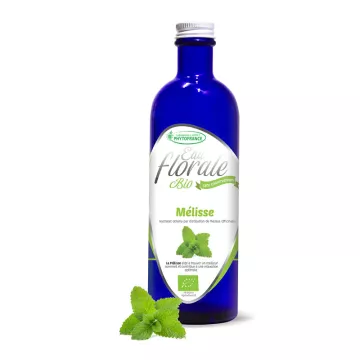
- Relaxing herbal teas: valerian (sedative, sleep) — passionflower (nighttime rumination) — lemon balm (nervous digestive spasms) — linden (mild diaphoretic, relaxing) — chamomile (digestive soother) — prepare 10 minutes before bedtime in a warm mug → dual effect: warmth + herbal therapy — explore our stress, sleep, and relaxation product lines
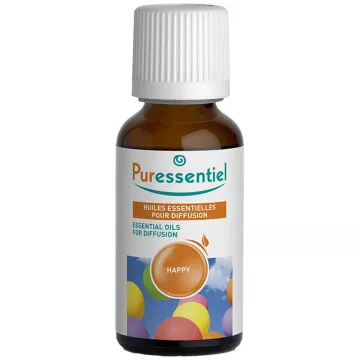
- Essential oils: true lavender (documented anxiolytic) — Roman chamomile (muscle cramps + nervousness) — frankincense (grounding, slows breathing) — ylang-ylang (blood pressure + anxiety; must be diluted) — sweet orange (lightness and joy; diffuse in the evening) — check out our selection of essential oils for sleep
- Melatonin: a natural hormone of the circadian rhythm — signals “it’s nighttime, time to sleep” — 0.5–1 mg immediate-release 30 minutes before bedtime — helpful for jet lag, shift work, or stress that makes it hard to fall asleep — non-addictive; does not cause dependence, unlike prescription sleeping pills
- Relaxing baths: Epsom salt (magnesium sulfate) — transdermal absorption of magnesium + muscle relaxation + parasympathetic warmth — 2–4 handfuls in a 38–40 °C bath, 20 minutes—add 5–10 drops of lavender essential oil to a neutral base (whole milk, vegetable oil) to dissolve in the water—find our bath salts and bath products in our serenity and wellness line
Create an environment and routine conducive to relaxation
- Soothing environment: soft lighting in the evening (warm-toned bulbs, candles) — cool temperature (18–20 °C for sleep) — noise reduction (earplugs, white noise or nature sounds) — houseplants (connection to nature + natural air humidification) — tidiness and order (visual clutter = cognitive load = tension)
- Transition rituals: Create “decompression zones” between work and rest — 10-minute walk after work — changing clothes upon returning home (physical cue for the shift in mode) — herbal tea + no screens for 30 minutes = transition from “active mode” to “rest mode”
- Active breaks at work: 5 minutes of cardiac coherence or deep breathing every 90 minutes — Pomodoro technique (25 minutes of work + 5-minute physical break) — stretching, looking into the distance, stepping outside into natural light — even 2 minutes of mindful breathing measurably reduces cortisol
- Anti-stress diet: omega-3 (EPA—neurotransmitters + neuroinflammation) — magnesium (70% dark chocolate, pumpkin seeds, legumes) — avoid caffeine after 2 p.m. (half-life 5–7 hours) and alcohol (nighttime anxiety spike) — tryptophan in the evening (bananas, turkey, eggs → serotonin)
- Track your progress: resting heart rate (decreases with regular relaxation) — HRV via smartwatch (increases with parasympathetic activity) — subjective sleep quality — levels of irritability and muscle tension — adjust your practices based on the results observed after 2–4 weeks