Emotional exhaustion is a state of profound weariness resulting from prolonged emotional strain—repeatedly managing difficult interpersonal situations, emotional demands at work (in helping professions or leadership roles), and the accumulation of unresolved personal stress. It differs from simple physical fatigue in that it specifically affects the ability to feel, regulate, and express emotions—both one’s own and those of others. The most characteristic signs include:
Identifying these signs early is essential: untreated emotional fatigue is often the precursor to full-blown burnout, with more profound consequences for mental and physical health.
The causes of emotional exhaustion are numerous and often cumulative: prolonged workplace pressure, unresolved relationship conflicts, high personal expectations (perfectionism, imposter syndrome), and a lack of social support to share the emotional burden. Professions involving high emotional demands in interpersonal relationships—such as caregivers, teachers, and managers—are particularly at risk, a phenomenon sometimes referred to as “compassion fatigue.” A toxic work environment (lack of recognition, poor communication, chronic overload) significantly increases this risk. On a physiological level, emotional fatigue is accompanied by prolonged cortisol activation, which gradually depletes the neurochemical resources (serotonin, dopamine, GABA) necessary for stable emotional regulation.
Several behavioral strategies contribute to prevention and recovery:
Regular physical activity—brisk walking, yoga, swimming—stimulates the release of endorphins and improves resilience to chronic stress. A consultation with a psychologist or therapist is recommended when emotional fatigue becomes chronic and does not respond to usual recovery measures.
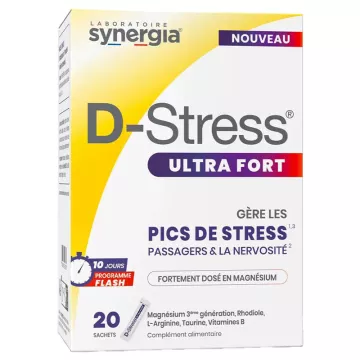
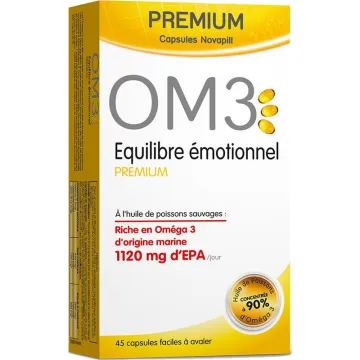
Magnesium bisglycinate (300 mg/day) reduces the nervous system’s hyperexcitability and irritability associated with emotional fatigue—a magnesium deficiency, which is almost always present in situations of chronic stress, perpetuates a vicious cycle of depletion of nervous system resources. Rhodiola (an adaptogen—standardized for rosavins and salidroside) is the most well-documented active ingredient for supporting emotional resilience against chronic stress, reducing cognitive fatigue, and restoring motivation—to be taken in the morning; contraindicated in cases of bipolar disorder. Griffonia (5-HTP—a serotonin precursor) supports emotional balance and reduces rumination—absolutely contraindicated with SSRIs, SNRIs, tramadol, and St. John’s wort. Vitamin B12 and the B-complex vitamins are essential for neurotransmitter synthesis, levels of which are often depleted in situations of prolonged emotional exhaustion. Omega-3 EPA-DHA (1 to 3 g/day) modulates brain inflammation and supports long-term emotional regulation. Regular meditation complements this approach by sustainably strengthening emotional regulation. Severe or prolonged emotional fatigue requires appropriate medical and psychological support.